


Physical therapy and personal training each play distinct roles in helping you recover from injury, relieve pain, and pursue performance targets. Choosing between these services—or combining them—depends on your current condition, goals, and long‐term wellness plan. In this guide, we’ll define physical therapy, explain how personal training drives fitness improvements, compare qualifications and costs, explore the bridge of clinical personal training, unpack post-rehab exercise and injury prevention training, and help you decide which path in Grand Rapids makes the most sense for your unique needs.
What Is Physical Therapy and How Does It Support Injury Recovery?
Physical therapy is a healthcare profession that diagnoses movement dysfunction, designs rehabilitation protocols, and applies evidence-based treatments to restore function and reduce pain. By targeting underlying biomechanical and neuromuscular issues, a licensed therapist drives healing, prevents re-injury, and improves quality of life through hands-on techniques and tailored exercise progressions.
What Does Physical Therapy Involve?
Physical therapy involves a comprehensive assessment of posture, joint mobility, muscle strength, and movement patterns. A therapist integrates manual therapy, therapeutic exercise, neuromuscular re‐education, and modalities such as soft tissue mobilization to address impairments. Learn more about our expert, evidence-based care at Fuel Physical Therapy and Sports Performance to see how we restore your capacity for daily activities and athletic pursuits.
By understanding your functional limitations, physical therapy establishes a foundation that naturally leads to broader fitness strategies.
Effectiveness of Physical Therapy in the Recovery of Patients with Musculoskeletal Injuries: A Longitudinal Study
This longitudinal study examined the effectiveness of physiotherapy programs for musculoskeletal injuries, demonstrating significant improvements in functional recovery, pain reduction, and overall quality of life over a six-month period. The findings emphasize the importance of individualized and prolonged approaches for optimal rehabilitation outcomes.
This research directly supports the article’s claims about physical therapy’s role in restoring function, reducing pain, and improving quality of life after injury.
When Should You Choose Physical Therapy for Pain Relief or Mobility Issues?
Physical therapy is ideal when you experience:
- Acute or chronic joint and muscle pain after injury or overuse
- Limited range of motion following surgery or prolonged immobilization
- Neurological deficits such as balance disturbances or nerve entrapment
- Post-operative rehabilitation to safely regain strength and flexibility
Deciding on a targeted rehabilitation plan prevents further damage and sets the stage for sustainable performance gains.
What Are the Benefits of Physical Therapy at Fuel Health & Wellness in Grand Rapids?
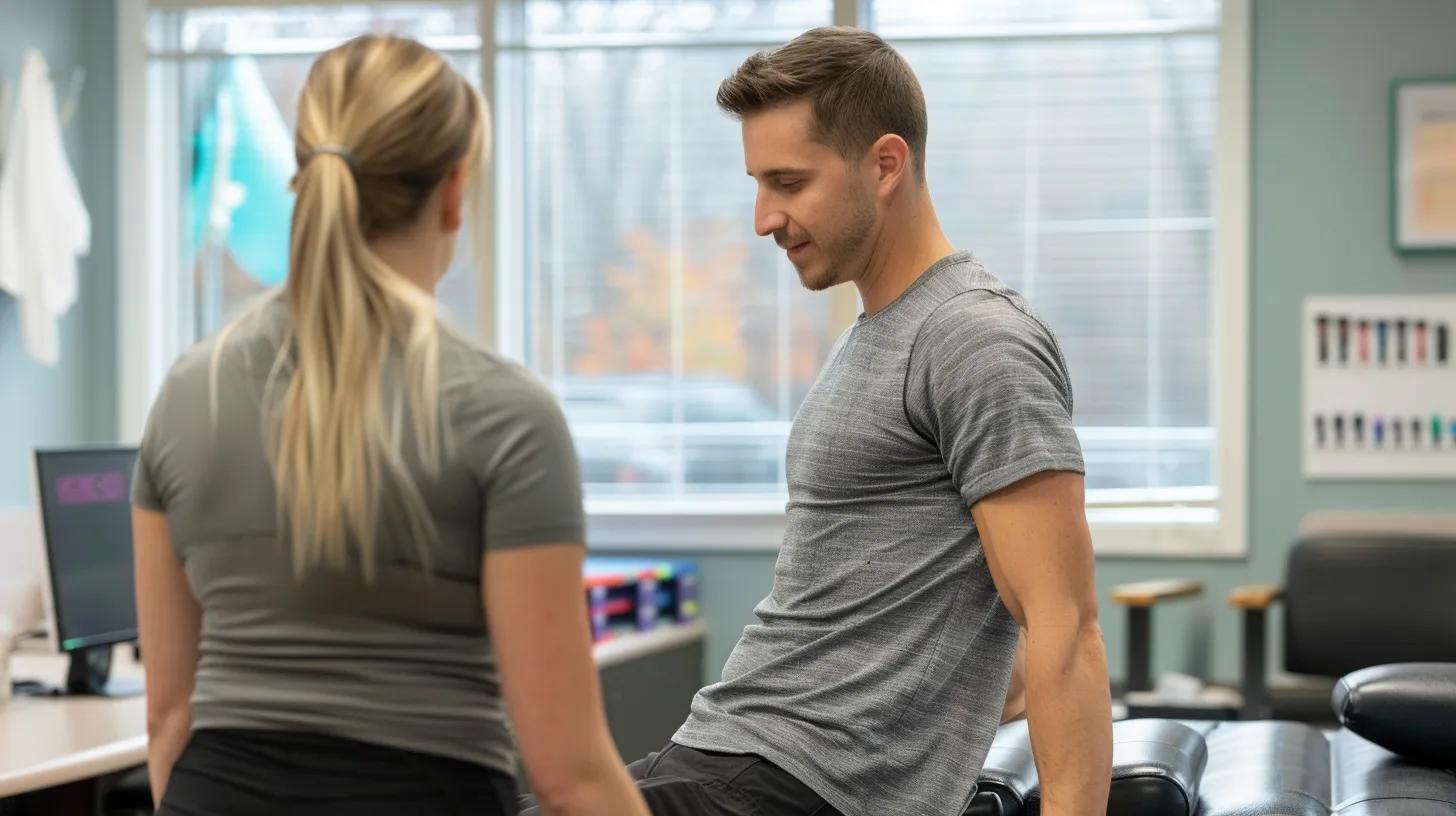
Before exploring general fitness programming, consider these key benefits of our recovery-focused plans:
- Personalized Treatment Plans: We assess your movement patterns to craft unique protocols.
- Evidence-Based Care: Manual therapy and exercise progressions reflect the latest clinical research.
- Injury Prevention Focus: Early detection of compensations minimizes future setbacks.
- One-on-One Attention: Direct clinician supervision ensures proper technique and safety.
These advantages pave the way for subsequent fitness enhancement methods and clarify when to transition into personal training.
What Is Personal Training and How Can It Help Achieve Your Fitness Goals?
Personal training is a fitness service delivered by certified trainers who design and coach individualized exercise programs to improve strength, endurance, body composition, and athletic performance. By focusing on goal-oriented workouts and behavioral accountability, trainers motivate clients to reach milestones safely and effectively.
The Effectiveness of Personal Training on Changing Attitudes Towards Physical Activity
Research indicates that one-on-one personal training is highly effective in promoting positive changes in clients’ attitudes towards physical activity. A study found that 73% of participants moved up at least one stage in their progress towards increased physical activity after 10 weeks with a personal trainer.
This study provides evidence for the article’s assertion that personal training motivates clients and helps them achieve fitness milestones by fostering behavioral accountability and adherence.
What Services Does Personal Training Include?
A comprehensive personal training package may include:
- Exercise Program Design – Structured plans targeting strength, cardiovascular health, and flexibility.
- Technique Coaching – Real-time feedback to optimize form and reduce injury risk.
- Nutrition Guidance – Basic dietary recommendations to support training outcomes.
- Progress Tracking – Objective assessments and performance metrics to measure improvement.
Customized workouts and expert instruction ensure that every session translates into measurable progress and confidence in movement.
When Is Personal Training the Right Choice for Strength, Weight Loss, or Performance?
Personal training fits well when you:
- Seek to build muscle mass, tone, or shed body fat through structured routines
- Want sport-specific conditioning (e.g., sprint speed, agility drills)
- Need motivation and accountability to maintain consistency
- Desire personalized feedback on form and progression without clinical referral requirements
Choosing personal training at this stage maximizes capacity once any significant injury or pain has been resolved.
What Are the General Benefits of Personal Training?
Clients often experience:
- Tailored Workouts: Programs aligned with individual goals and schedules
- Accountability: Regular sessions build adherence and momentum
- Injury-Safe Progression: Trainers balance intensity with recovery to prevent setbacks
- Enhanced Technique: Focused coaching reduces compensation patterns and optimizes results
Evidence to Support the Effectiveness of Personal Training
Scientific evidence supports the effectiveness of personal training, showing that supervised exercise improves movement performance, training outcomes, and reduces injury risk, particularly among older adults and individuals with chronic disease. It also highlights that accountability from trainers improves program adherence.
This research reinforces the article’s points on how personal training enhances technique, ensures injury-safe progression, and provides accountability to help clients achieve their fitness goals and reduce injury risk.
Having established baseline fitness, many individuals then explore more specialized services like clinical personal training or advanced performance coaching.
What Are the Key Differences Between Physical Therapy and Personal Training?
Comparing physical therapy and personal training clarifies scope, credentials, and objectives—information critical to making an informed choice.
| Focus Area | Professional Credential | Primary Goal | Referral Requirement | Typical Clientele |
|---|---|---|---|---|
| Rehabilitation & Pain | Doctorate in Physical Therapy | Restore function, reduce pain | Often requires physician referral | Injured or post-surgical |
| Fitness & Performance | Certified Personal Trainer (CPT) | Improve strength, endurance, body composition | No formal referral | Healthy individuals, athletes |
How Do Qualifications and Training Differ Between Physical Therapists and Personal Trainers?
Physical therapists hold advanced clinical degrees (DPT), complete hundreds of hours of hands-on internships, and maintain state licensure. Personal trainers earn certifications (e.g., NASM, NSCA) and specialize in exercise science without the broad diagnostic authority of a therapist. These credential differences determine the depth of scope for assessment and intervention.
How Do Treatment Approaches and Client Goals Vary?
Physical therapy focuses on diagnosing impairments, designing rehabilitation pathways, and applying manual techniques to restore normal movement patterns. Personal training emphasizes progressive overload, metabolic conditioning, and behavioral coaching to elevate fitness levels. One approach rebuilds foundational capacity while the other optimizes performance once baseline mobility and strength are achieved.
Who Is the Ideal Client for Each Service?
Ideal physical therapy clients include those recovering from injury, managing chronic pain, or rehabilitating post-surgery. Ideal personal training clients are healthy individuals aiming for general fitness improvements, weight management, or sport-specific performance gains. Matching service to client need ensures efficient progress and goal attainment.
How Do Costs and Referral Requirements Compare?
Out-of-pocket costs for physical therapy sessions may be offset by insurance, although initial referral or evaluation is typically required. Personal training rates are usually private pay without medical paperwork. Budget considerations and access procedures influence whether you start with clinical rehabilitation or performance coaching.
How Does Clinical Personal Training Bridge Physical Therapy and Personal Training in Grand Rapids?
Clinical personal training merges rehabilitative knowledge with fitness coaching, delivering specialized exercise guidance for individuals transitioning from therapy to independent performance work.
What Is Clinical Personal Training and How Does It Work?
Clinical personal training is a service provided by trainers with advanced medical exercise credentials. It applies therapeutic exercise principles in a gym-style setting, progressing clients safely from rehab protocols to higher-level strength and conditioning drills. By integrating rehabilitation frameworks with performance goals, this method promotes holistic recovery and sustainable fitness.
Who Benefits Most from Clinical Personal Training?
- Post-rehab clients seeking structured performance progression
- Individuals with chronic pain requiring ongoing exercise modification
- Athletes returning to sport under guided workload management
- Clients who need expert transitioning from clinical treatment to fitness autonomy
Targeted progression under clinical oversight reduces re-injury risk and accelerates return to active lifestyles.
What Is Post Rehab Exercise and Why Is It Important for Your Fitness Journey?
Post rehab exercise is a structured program that maintains and builds upon the functional improvements achieved during physical therapy, ensuring that gains in strength and mobility translate into real-world performance.
How Does Post Rehab Exercise Help Maintain Gains After Physical Therapy?
Post rehab exercise reinforces neuromuscular adaptations by continuing resistance training, flexibility drills, and proprioceptive tasks. This helps solidify pain-free movement patterns and prevents regression by keeping tissues strong, joints stable, and reflexive controls tuned.
When Should You Transition from Physical Therapy to Post Rehab Exercise or Personal Training?
Transition when you have:
- Achieved pain-free full range of motion
- Demonstrated baseline strength symmetry and core stability
- Completed your therapist’s discharge criteria
- Received clearance from your clinician to progress load and complexity
Proper timing ensures safety while advancing capacity.
What Post Rehab Exercise Programs Are Available in Grand Rapids?
Fuel Health and Wellness offers specialized post-rehab classes that blend corrective exercise with functional strength circuits. You’ll practice movement screening, guided resistance progressions, and group education led by clinicians to foster lasting recovery and bridge into personal training seamlessly.
How Can Injury Prevention Training Enhance Your Fitness and Reduce Risks?

Injury prevention training proactively evaluates and addresses movement dysfunctions, structural imbalances, and strength deficits before they result in setback or chronic pain.
What Is Injury Prevention Training and Who Should Consider It?
Injury prevention training combines biomechanical assessment, corrective exercise, and targeted strength conditioning to reduce the likelihood of strains, sprains, and overuse injuries. Athletes, weekend warriors, and individuals with a history of musculoskeletal issues all benefit from prehab protocols that safeguard performance and daily function.
How Does Injury Prevention Training Differ from Physical Therapy and Personal Training?
Unlike physical therapy, which responds to existing impairments, injury prevention training intervenes before injuries occur by improving movement efficiency. Unlike standard personal training, it emphasizes balanced biomechanics and corrective techniques as foundational to every workout. This preventive mindset distinguishes it as a proactive wellness tool.
What Are Common Injury Prevention Techniques Used in Grand Rapids?
Below is a comparison of prevalent techniques and their primary benefits:
| Technique | Focus Area | Key Benefit |
|---|---|---|
| Movement Screening | Biomechanical Analysis | Identifies and corrects faulty patterns |
| Prehab Strength Exercises | Joint Stability | Reinforces support for vulnerable joints |
| Dynamic Warm-Up Drills | Neuromuscular Activation | Prepares tissues for load and motion |
| Flexibility & Mobility Routines | Range of Motion | Reduces stiffness and improves function |
These methods build robustness across muscle and joint systems, naturally guiding you to success in therapy or performance-driven training.
How Do You Decide Between Physical Therapy and Personal Training for Your Fitness Goals in Grand Rapids?
Making the right choice involves self-assessment, professional input, and alignment of resources to your personal objectives.
What Questions Should You Ask Yourself Before Choosing?
- Am I experiencing pain or movement restrictions that limit daily activities?
- Have I recently undergone surgery or suffered a significant injury?
- Is my primary goal recovery and pain relief, or performance and physique improvement?
- Do I require medical clearance or specialized supervision?
Reflecting on these factors clarifies which service aligns with your immediate and future priorities.
When Is It Best to Consult a Physical Therapist vs. a Personal Trainer?
Consult a physical therapist if you have acute or chronic pain, functional deficits, or need a clinically supervised rehabilitation plan. Engage a personal trainer once you are pain-free, cleared for exercise, and focused on building strength, endurance, or sport-specific skills without medical oversight.
Why Choose Fuel Health & Wellness for Your Physical Therapy and Personal Training Needs?
Fuel Health & Wellness in Grand Rapids stands out for its holistic, patient-centered model, combining advanced rehabilitation, clinical personal training, post-rehab exercise, and injury prevention programs under one roof. Our interdisciplinary team ensures seamless transitions between therapy and training, empowering you to achieve pain-free mobility and peak performance. Ready to take the next step toward an active, resilient you? Contact Fuel Health for personalized guidance and appointment scheduling.
Physical therapy and personal training each serve vital, yet distinct roles in your wellness journey. Understanding when to pursue rehabilitation, performance coaching, or a blend of both helps you harness the right expertise at every stage. By aligning your needs with proven clinical approaches and targeted fitness strategies, you’ll build a sustainable path to health, strength, and injury prevention in Grand Rapids.