

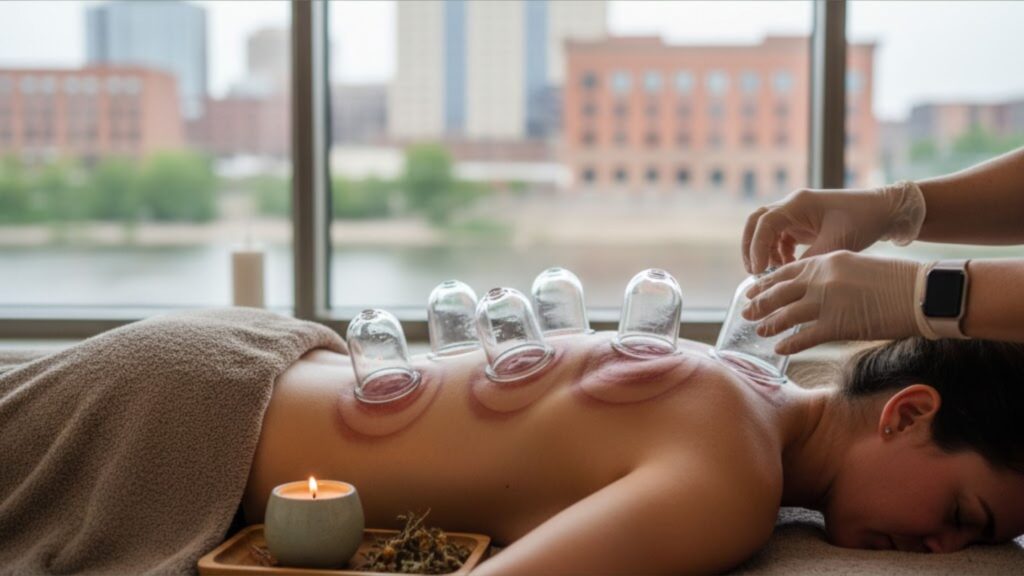
Massage cupping blends suction with movement-based massage to ease muscle tension, boost local circulation, and support tissue remodeling for more durable relief. This guide explains how session frequency drives cumulative results and gives practical schedules for common goals—acute injury care, chronic pain management, athletic recovery, and general wellness—so you can build a realistic plan that produces lasting change. Many people get short-term relief from cupping but don’t follow a maintenance strategy that turns temporary gains into steady improvement; thoughtful frequency, coordinated therapies, and sensible aftercare bridge that gap. You’ll find clear phased protocols (initial intensive phase → taper → maintenance), the personal factors that alter pacing, and complementary services that amplify long-term benefits. The sections below describe how massage cupping works, give frequency recommendations by goal, map personalization factors, explain how cupping pairs with allied therapies, and show how to arrange personalized care in Grand Rapids. Throughout, we draw on current thinking about manual therapy frequency and practical, local options so you can make an informed plan for sustained recovery and performance.
What Is Massage Cupping Therapy and How Does It Promote Lasting Results?

Massage cupping is a hands-on approach using suction cups with glide or static techniques to lift soft tissue, increase blood flow, and reduce fascial adhesions. The suction creates a pressure change that stimulates microcirculation, encourages lymphatic drainage, and can modulate pain signals. Repeated, appropriately spaced sessions encourage tissue remodeling and improved range of motion because cumulative increases in circulation and fascial mobility let you progressively load and retrain movement. Over time, regular cupping combined with active rehabilitation shifts short-term reductions in tightness into longer-term gains in function and pain control. Knowing this mechanism helps explain why getting the session cadence right—enough stimulus to produce change without overloading tissues—is essential for lasting outcomes.
What Are the Key Benefits of Massage Cupping for Pain Relief and Muscle Recovery?
Massage cupping offers several practical benefits for recovery and performance. It can reduce perceived pain through neuromodulation and improved blood flow, which helps clear metabolic byproducts and supports tissue repair. Cupping often lessens delayed-onset muscle soreness after intense workouts and speeds post-exertion recovery by improving tissue perfusion, helping athletes return to training sooner. Functionally, cupping can increase range of motion and reduce fascial restrictions, which supports better mechanics and lowers re-injury risk. Those gains last longest when cupping is paired with progressive movement and strength work.
- Next we’ll outline the physiological pathways by which cupping improves circulation and flexibility, and the timelines for measurable change.
How Does Massage Cupping Work to Improve Circulation and Flexibility?
Cupping improves circulation by mechanically lifting tissue and creating a local negative pressure that increases capillary perfusion and lymphatic flow in the treatment area. That suction stimulates endothelial responses and local metabolic exchange, helping clear inflammatory mediators and delivering nutrients needed for tissue remodeling. Fascial release happens as cups glide along restricted planes, helping separate adhesions and restore glide between muscle and fascia layers—this often translates into better flexibility. Measurable improvements in range of motion commonly appear after several sessions, with bigger and more durable gains when follow-up cupping is scheduled and mobility work is done between visits.
How Often Should You Schedule Massage Cupping Sessions for Different Health Goals?
Frequency depends on the goal: acute recovery often needs a short, intensive course; chronic management relies on regular intervals; athletes time sessions around training cycles; and wellness clients choose lower-frequency maintenance. The guiding principle is phased care—an initial intensive stimulus to reduce dysfunction, a taper to consolidate gains, then maintenance to preserve function. Below are practical protocols for common goals, with emphasis on clinical reassessment and adjusting based on tissue response and functional milestones. Use the table to compare recommended schedules at a glance and adapt the examples to your weekly plan.
| Condition | Initial Frequency (first 2–4 weeks) | Maintenance Frequency |
|---|---|---|
| Acute injury (non-surgical) | 2–3 sessions per week for 2–4 weeks | 1 session every 1–2 weeks until full function |
| Chronic musculoskeletal pain | 1 session per week for 4–8 weeks | 1 session every 2–4 weeks |
| Athletic recovery (in-season) | 1 session per week post-intense training | 1 session every 1–2 weeks; event-specific pre/post cupping |
| Wellness & stress reduction | 1 session every 2–4 weeks | As-needed monthly or bi-monthly |
This cadence balances enough stimulus to drive repair with time for tissues to adapt, and helps avoid overtreatment that can slow recovery.
What Is the Recommended Cupping Frequency for Acute Pain and Injury Recovery?
For acute injuries, start with an initial intensive phase to reduce pain and guarding, then taper as objective function returns. Typical protocols are 2–3 sessions per week for the first 2–4 weeks while clinicians monitor swelling, range of motion, and pain. Frequency is reduced as strength and mobility improve. Safety considerations include avoiding aggressive suction over open wounds, in uncontrolled bleeding disorders, or during acute inflammatory flares; if symptoms worsen (increasing pain, numbness, or signs of infection), stop treatment and seek medical evaluation. Pairing cupping with targeted movement and short home-exercise programs speeds recovery and helps determine when to space sessions farther apart.
How Often Should You Get Cupping Therapy for Chronic Pain Management?
Chronic pain plans prioritize consistency and periodic re-evaluation. Many people see measurable improvement after 4–8 weekly sessions that combine cupping with active rehabilitation. A common approach is weekly sessions for 4–8 weeks, then transition to biweekly or monthly maintenance depending on symptom control and functional goals. The timeline for lasting change depends on how well cupping is paired with exercise, sleep, stress management, and progressive loading; frequency should be individualized and reassessed by your clinician. Patients who commit to an integrated plan typically preserve gains with lower-frequency touch-ups rather than returning to full-intensity schedules.
Home-Based Cupping Massage for Chronic Neck Pain: A Randomized Controlled Trial
Patients were randomly assigned to self-directed cupping massage or progressive muscle relaxation. Participants were trained and instructed to perform the assigned treatment twice weekly for 12 weeks. The primary outcome was current neck pain intensity on a 0–100 mm visual analog scale after 12 weeks. Secondary outcomes included pain with motion, affective pain perception, functional disability, psychological distress, wellbeing, health-related quality of life, pressure pain thresholds, and adverse events. Sixty-one patients (mean age 54.1 ± 12.7 years; 73.8% female) were randomized to cupping massage (n = 30) or progressive muscle relaxation (n = 31).
Effectiveness of home-based cupping massage compared to progressive muscle relaxation in patients with chronic neck pain—a randomized controlled trial, R Lauche, 2013
What Is the Ideal Cupping Schedule for Athletic Recovery and Performance Enhancement?
Athletes should schedule cupping around training cycles: increase frequency during intense training blocks and use lighter, targeted cupping before competition. For a typical training week, a post-hard-session cupping visit once per week supports recovery; before competition, light cupping 24–48 hours ahead can improve mobility without adding fatigue. During taper phases, reduce intensity and frequency to allow peak performance, and use maintenance sessions every 1–2 weeks to keep tissues ready. Individual factors—training load, event timing, and athlete feedback—determine whether to increase or decrease frequency.
How Often Should You Use Cupping Therapy for General Wellness and Stress Reduction?
Wellness clients usually use cupping less intensively for relaxation and stress relief—spacing sessions monthly or every 3–4 weeks often works well. You can add as-needed sessions during periods of higher stress or after unusually strenuous activity, and increase frequency if sleep, mood, or chronic tension markers worsen. Lifestyle factors—workload, sleep, and exercise—shape the cadence; tracking subjective stress and muscle tension helps decide when to book the next session. This flexible, preventative approach maintains mobility and reduces buildup over time.
When you’re ready to move from general guidance to a tailored plan, Fuel Health & Wellness offers individualized assessments that turn these protocols into a clinician-guided schedule aligned with your recovery or performance goals. Our clinic uses a holistic, multi-therapy approach and experienced clinicians to set a frequency that aims for lasting results. Call (616) 757-0932 to discuss customized cupping plans and schedule an initial evaluation.
What Factors Influence Your Personalized Massage Cupping Frequency in Grand Rapids?

Several personal and clinical factors change recommended cupping frequency: your specific goal, baseline tissue quality, symptom acuity, healing rate, comorbidities, and the cupping technique used. These elements interact—an athlete with quick recovery may tolerate more frequent sessions than an older adult with fragile skin or clotting issues—so scheduling relies on clinician judgment and shared decision-making. Observing responses such as bruising, soreness, and functional gains helps guide progression and spacing. The table below maps common factors to how practitioners typically adapt frequency.
| Individual Factor | How It Changes Frequency | Example |
|---|---|---|
| Goal intensity | More aggressive goals → higher initial frequency | Acute rehab: 2–3×/week |
| Tissue response | Slower healing → reduce frequency; brisk recovery → maintain or increase | Excess bruising → space sessions |
| Cupping type/intensity | Stronger suction or wet/static techniques → longer recovery window | Deep static cupping → 1–2 weeks rest |
| Comorbidities | Contraindications reduce frequency or alter modality | Anticoagulant therapy → avoid aggressive cupping |
Knowing how these factors interact helps clinicians and clients set a safe, effective schedule.
How Do Your Health Goals Affect the Frequency of Cupping Sessions?
Your goals drive the schedule: aggressive return-to-play plans need denser initial treatment, while maintenance and stress reduction use less frequent visits. For example, someone aiming for a fast return to sport after a strain will accept a higher initial frequency than someone seeking monthly relaxation. Shared decision-making with a clinician ensures the cadence fits your tolerance, timeline, and other therapies. Regular reassessment lets clinicians taper frequency sooner if functional targets are met while keeping gains intact.
How Does Your Body’s Response and Healing Time Impact Scheduling?
Observable healing signs—how long bruises last, the pattern of post-session soreness, and functional gains—tell you whether to shorten or lengthen intervals. Mild, resolving soreness followed by improved range suggests the current pace is right; worsening symptoms or prolonged ecchymosis means sessions should be spaced farther apart. Typical cupping-related bruising resolves in about 7–10 days; if skin changes persist beyond expected timelines, clinicians reassess technique and interval. These safety-driven adjustments protect skin integrity and overall recovery.
What Role Does the Type and Intensity of Cupping Therapy Play in Frequency?
Different cupping approaches need different recovery windows: lighter massage cupping allows more frequent application, while deep static or wet techniques usually require longer spacing to avoid tissue overload. Intensity influences the local inflammatory response—stronger suction increases microtrauma and the adaptation time required. Clinicians choose technique and cadence together—opting for gentler methods when frequent sessions are desired and reserving stronger approaches for targeted, less frequent interventions. Contraindications like dermal fragility or anticoagulation also change both technique and frequency.
How Can You Maximize Long-Term Benefits Beyond Session Frequency?
To convert short-term relief into lasting improvement, pair cupping with complementary therapies, consistent aftercare, and periodic reassessment. Integration strengthens the stimulus-response loop: cupping improves tissue extensibility, physical therapy retrains movement, and services like assisted stretching and red light therapy support recovery at the cellular level. Practical aftercare—hydration, progressive mobility work, and sleep hygiene—helps sustain circulatory and neuromuscular gains. The table below shows complementary services and the roles they play in long-term outcomes.
| Complementary Service | Role | Benefit |
|---|---|---|
| Assisted stretching | Maintain range after cupping | Preserves fascial glide and ROM |
| Physical therapy | Movement re-education and strength | Reduces recurrence by correcting mechanics |
| Red light therapy | Cellular recovery and inflammation modulation | Supports tissue repair and reduces downtime |
These integrated elements form a maintenance ecosystem that extends the value of each cupping session.
How Does Integrating Cupping with Physical Therapy and Assisted Stretching Enhance Results?
Combining cupping with physical therapy and assisted stretching creates a clear workflow: cupping reduces restrictive tension and improves circulation, assisted stretching helps lock in the new range by lengthening shortened tissues, and physical therapy rebuilds strength and movement patterns to prevent recurrence. A typical sequence begins with cupping to remove barriers, follows with hands-on assisted stretching to capitalize on increased tissue extensibility, and progresses to targeted exercise to reinforce functional gains. That sequence turns temporary looseness into sustainable functional improvements that last beyond single sessions.
Fuel Health & Wellness uses this holistic model—combining massage cupping with assisted stretching and physical therapy—to build personalized plans focused on lasting results. Clinician-led coordination at the clinic sequences treatments to maximize recovery and preserve gains; call (616) 757-0932 to discuss integrated care options and a tailored plan.
What Aftercare and Lifestyle Habits Support Lasting Cupping Benefits?
Immediate aftercare and ongoing habits amplify cupping outcomes and speed recovery. Right after a session, hydrate, avoid heavy exertion for the rest of the day, and use gentle mobility to keep new range. Long-term habits—regular mobility work, progressive strength training, good sleep, and stress management—prevent tissues from re-tightening and support the nervous system changes that underlie chronic pain improvement. The numbered list below outlines priority actions to sustain results and signals that should prompt clinician follow-up.
- Hydrate well: Fluids aid metabolic clearance and tissue recovery.
- Gentle movement: Light mobility within pain-free ranges preserves ROM.
- Sleep and stress management: Better recovery and lower chronic tension.
- Progressive exercise: Strengthens supportive muscles to prevent relapse.
- Monitor skin and pain: Report prolonged bruising or worsening symptoms.
These behaviors help turn episodic relief into durable improvement and reduce the need for frequent treatments.
Where and How Can You Schedule Personalized Massage Cupping Sessions in Grand Rapids?

Booking a personalized cupping plan begins with an initial assessment to match frequency to your goals, tolerance, and health status. The typical workflow includes an intake review, clinician movement and tissue assessment, a phased frequency plan, and scheduling of follow-up or integrated therapy sessions. Expect clear guidance on expected outcomes, check-in points for reassessment, and coordination with other services when appropriate. Below are practical steps and what to bring to your first visit.
- Contact the clinic: Call to describe your goals, symptoms, and interest in cupping.
- Complete intake: Share medical history and movement limitations for safe planning.
- Initial assessment: Clinician evaluates tissue, movement, and creates a phased plan.
- Book treatment blocks: Schedule initial intensive sessions and follow-up reviews.
- Coordinate adjunct services: Add assisted stretching or PT as recommended.
Why Choose Fuel Health & Wellness for Expert Massage Cupping Therapy?
Fuel Health & Wellness takes a whole-person approach—combining massage cupping with physical therapy and assisted stretching—delivered by an experienced team that includes clinicians such as Dr. Eric Broadworth and Dr. Matt Zitny. We focus on personalized plans built for lasting results rather than one-off symptom relief, serving patients in Grand Rapids and Grandville with clinician-led coordination across services. If you want integrated care that pairs manual therapy with movement re-education and recovery work, Fuel Health & Wellness can translate frequency recommendations into a practical, individualized schedule. Call (616) 757-0932 to speak with our team about a custom plan.
How to Book Your Customized Cupping Therapy Plan for Lasting Results?
Booking is a staged process that starts with conversation and ends with a clinician-guided maintenance strategy tailored to you. Prepare a short summary of your main complaints, recent activity level, and any medications or health conditions so the intake is productive. In your first assessment expect functional testing, a recommended frequency plan (initial → taper → maintenance), and suggested adjunct therapies to support durable improvement. Scheduling follow-ups at the recommended intervals keeps continuity and lets clinicians adjust frequency based on progress.
What Are the Most Common Questions About Massage Cupping Frequency in Grand Rapids?
Common questions include whether daily cupping speeds recovery, how many sessions are needed for lasting change, and what long-term effects to expect from regular cupping. Evidence-aware answers help set realistic expectations: daily cupping is usually unnecessary and can impede healing, measurable improvements commonly appear after 4–8 sessions, and long-term benefits depend on integration with movement and lifestyle changes. The FAQ-style answers below respond directly to these high-interest questions with concise guidance.
Can You Do Cupping Therapy Every Day for Faster Results?
No—daily cupping is generally not recommended because tissues need recovery time after the microtrauma and inflammatory response cupping induces. In rare clinical cases under close supervision, a clinician might increase short-term frequency for an acute phase, but that carries a higher risk of skin issues and delayed healing. Most protocols favor spacing treatments to allow adaptation—typically several days between sessions or weekly during intensive phases—so avoid daily application unless a supervising clinician advises it.
How Many Sessions Are Needed to See Lasting Benefits from Cupping?
Common clinical experience indicates 4–8 sessions spaced weekly often produce measurable improvements in pain and function; chronic problems may need a longer plan with maintenance touch-ups. Factors that shorten or lengthen the timeline include severity, tissue quality, how well cupping is paired with exercise or PT, and adherence to aftercare. Plan to reassess after the initial phase so your clinician can adjust frequency and add modalities as needed to convert short-term gains into lasting improvement.
What Are the Long-Term Effects of Regular Massage Cupping Therapy?
Regular cupping can support ongoing pain management, improved mobility, and reduced muscle tension when combined with corrective exercise and healthy lifestyle habits. Research supports short-term relief, and clinical experience shows the most durable effects occur when cupping is part of an integrated plan that includes movement retraining, strength work, and recovery practices. Cupping is a valuable complementary tool—not a standalone cure—and consistent, coordinated care delivers the most meaningful long-term functional gains.
Frequently Asked Questions
What Should You Expect During Your First Cupping Session?
At your first cupping visit, the clinician will review your health history and current symptoms and assess movement and tissue quality to tailor the technique. You’ll discuss goals, likely outcomes, and an estimated number of sessions. The treatment involves applying suction cups to targeted areas—you may feel a gentle pulling or pressure. After the session you’ll receive clear aftercare instructions to support recovery.
Are There Any Side Effects or Risks Associated with Cupping Therapy?
Cupping is generally safe, though some people experience temporary bruising, soreness, or redness at treated sites. These effects are usually mild and resolve within a few days. Tell your clinician about skin sensitivities, bleeding disorders, or medications that affect clotting—these factors may require modifying the treatment plan. Always work with a qualified practitioner to ensure cupping is appropriate for your situation.
How Can You Prepare for a Cupping Session?
To prepare, arrive well-hydrated and avoid heavy meals right before your appointment. Wear comfortable clothes that allow access to the areas being treated. Share any specific concerns or areas of pain with your clinician ahead of time, and disclose medications or health conditions during intake so the clinician can plan a safe, effective session.
Can Cupping Therapy Be Combined with Other Treatments?
Yes—cupping pairs well with physical therapy, massage, and assisted stretching. An integrated approach addresses multiple recovery elements: cupping reduces tension and improves circulation, while PT focuses on movement re-education and strength. Work with your clinician to create a personalized plan that combines complementary therapies for the best results.
How Do You Know If Cupping Therapy Is Working?
Track symptoms and functional changes over time. Good indicators of effectiveness include reduced pain, increased range of motion, and better overall wellbeing. Regular check-ins with your clinician help measure progress and adjust the plan. Noticing meaningful improvements after several sessions is a positive sign that cupping is contributing to your recovery.
What Lifestyle Changes Can Enhance the Benefits of Cupping Therapy?
To maximize cupping’s benefits, adopt supportive habits: stay hydrated, eat a balanced diet, and keep consistent physical activity. Gentle mobility work and stress-management practices support recovery, and prioritizing sleep is crucial for healing. Pairing these habits with your cupping sessions creates a holistic approach that promotes long-term wellness and improves treatment effectiveness.
Conclusion
Massage cupping can reduce pain, improve circulation, and speed recovery—making it a useful part of a comprehensive wellness plan. Understanding optimal frequency and combining cupping with complementary therapies and healthy habits will help you get the most durable results. For tailored guidance that matches your needs, consult a qualified clinician. Start building a plan for lasting improvement by exploring our services today.