
Massage cupping therapy uses controlled suction on the skin to lift superficial tissues, creating localized hyperemia and mechanical stimulation that can improve blood flow and encourage lymphatic movement. This article explains the physiological mechanisms behind suction-based therapies, the different massage-cupping techniques clinicians use, and the practical outcomes Grand Rapids residents can expect for circulation, swelling, and recovery. Many people seek cupping for athletic recovery, chronic myofascial pain, or stubborn edema; understanding the why and how helps set realistic expectations and guides safe use. Here you will find an overview of techniques (static, gliding, pulsed), focused sections on vascular and lymphatic mechanisms, evidence-informed comparisons with other drainage approaches, and clear guidance on session expectations and frequency. Throughout the guide we weave in how integrated care—combining cupping with assisted stretching, physical therapy, and red light—can enhance measurable recovery, and we point to local, clinician-led options in Grand Rapids for readers ready to pursue treatment.
What Is Massage Cupping Therapy and How Does It Work?
Massage cupping therapy is a manual therapy modality that applies negative pressure through cups to lift skin and underlying fascia, triggering local hyperemia and mechanical deformation that alters perfusion and lymph dynamics. The suction creates immediate vasodilation of superficial capillaries and increases microcirculatory flow, while the mechanical stretch can loosen fascial adhesions that restrict small-vessel circulation. Clinically, practitioners select techniques—static, gliding, or pulsed—based on the treatment goal, whether increasing perfusion for sore muscle tissue or directing lymph movement for edema. Understanding these mechanism-to-benefit links clarifies why cupping is used alongside exercise and manual therapies to produce faster subjective and objective recovery.
What Are the Different Types of Massage Cupping Techniques?
Massage cupping includes several technique families, each tuned to specific goals and tissue responses. Static cupping holds cups in place to promote sustained hyperemia and tissue relaxation, which is useful for deep myofascial tightness and chronic soreness.
Gliding (massage) cupping uses lubricant and moves cups along muscle bellies to combine shear forces with suction, aiding mobility and lymph propulsion in regional pathways.
Pulsed cupping alternates suction intensity to create rhythmic compression–release cycles that mimic manual lymphatic drainage and can be selected for acute swelling or sensitive areas.
How Does Suction in Cupping Stimulate Blood Flow and Lymphatic Drainage?
Suction produces negative pressure that mechanically deforms superficial tissues, which initiates mechanotransduction signals in capillary endothelium and lymphatic vessels, increasing local perfusion and lymphatic pumping. Hyperemia from vasodilation raises oxygen and nutrient delivery while shear stress stimulates nitric oxide release, supporting microvascular responsiveness and metabolic waste clearance. For lymphatics, the intermittent pressure gradient created by cupping helps move interstitial fluid toward collecting lymphatics and regional nodes, accelerating clearance of proteins and metabolic byproducts. These immediate physiological changes create a cascade that supports reduced soreness, improved mobility, and faster recovery when combined with appropriate rehabilitation strategies.
How Does Massage Cupping Therapy Improve Blood Circulation in Grand Rapids Residents?
Massage cupping improves circulation primarily through vasodilation, increased capillary recruitment (hyperemia), and fascial decompression that enhances microvascular flow to previously underperfused tissue. By lifting tissue and reducing compressive fascial restrictions, cupping opens microvascular beds and supports perfusion that delivers oxygen and nutrients while removing metabolic waste. These changes are especially relevant for athletes recovering from intense training, people with chronic myofascial pain, and residents experiencing localized ischemic discomfort. The following table summarizes mechanisms, immediate effects, and likely clinical benefits seen with cupping-focused circulation work.
Different mechanisms of cupping link directly to clinical circulation outcomes.
| Mechanism | Immediate Effect | Clinical Benefit |
|---|---|---|
| Vasodilation / Hyperemia | Increased capillary perfusion and redness (localized) | Improved oxygen delivery, reduced ischemic pain |
| Microcirculation recruitment | Greater capillary density engaged per area | Enhanced metabolic waste clearance, faster recovery |
| Fascial decompression | Reduced mechanical compression of vessels | Increased range of motion and reduced neurovascular entrapment |
This comparison highlights how suction-driven changes translate from physics to patient-centered improvements in perfusion and function.
What Is the Role of Vasodilation and Hyperemia in Circulation Improvement?
Vasodilation and hyperemia are central to how cupping increases blood flow: negative pressure dilates superficial arterioles and recruits capillary beds, producing a transient increase in volume and flow. This enhanced perfusion accelerates oxygen delivery and glucose supply to stressed tissues while promoting clearance of lactic acid and inflammatory byproducts that contribute to soreness. Clinically, practitioners observe reduced delayed onset muscle soreness (DOMS) and quicker return-to-play metrics when cupping is integrated into post-exercise protocols. Understanding the vascular cascade clarifies why even short cupping sessions can yield noticeable symptomatic relief and sets expectations for repeated sessions to maintain benefits.
How Does Fascial Decompression from Cupping Enhance Microcirculation?
Fascial decompression via suction separates adhered layers and reduces compressive forces on small vessels embedded in fascial planes, which restores capillary flow and neural glide. By mechanically lifting tissue, cups alter the local pressure environment so previously collapsed or compressed microvessels reopen and perfuse downstream tissues. This process improves nutrient exchange and reduces nociceptive signaling from tense fascial structures, contributing to both immediate mobility gains and longer-term reductions in pain when followed by active rehabilitation. When fascial decompression is paired with movement or assisted stretching, the microcirculatory gains are more likely to translate into durable functional improvements.
What Are the Lymphatic Drainage Benefits of Massage Cupping Therapy?
Massage cupping supports lymphatic drainage by creating pressure gradients and rhythmic deformation that augment lymph propulsion, assisting the body’s natural interstitial fluid clearance and immune surveillance. The lymphatic system depends on mechanical forces—muscle contractions, external compression, and tissue stretch—to move lymph centrally; cupping supplies an externally applied, directional force that can be sequenced to encourage flow toward key lymph node basins. Practically, this can reduce localized swelling, promote removal of metabolic waste, and support immune system functioning by improving antigen transport to lymph nodes. Below is a focused table summarizing lymph outcomes, evidence levels, and practical indications for cupping-driven drainage.
| Lymph Outcome | Evidence Level | Practical Indication |
|---|---|---|
| Increased lymph propulsion | Moderate (mechanistic & clinical reports) | Local edema post-exertion or soft-tissue injury |
| Waste removal / detoxification | Emerging | Sensitivity to retained metabolic byproducts after intense exercise |
| Swelling reduction | Moderate | Post-injury edema and regional fluid accumulation |
Massage cupping can be incorporated into lymphatic-focused protocols by trained clinicians who sequence suction toward regional nodes, modulate cup pressure, and combine strokes with manual drainage techniques. Fuel Health & Wellness applies lymphatic-focused cupping protocols as part of a holistic care approach, where clinicians such as physical therapists design personalized sequences that prioritize safe fluid movement and edema control. If a reader is seeking detoxification or swelling reduction, scheduling an evaluation with a licensed clinician who can tailor suction intensity and sequence will improve outcomes and minimize risks.
How Does Cupping Promote Lymphatic Fluid Movement and Waste Removal?
Cupping promotes lymph movement by alternately creating lower-pressure zones that draw interstitial fluid into initial lymphatics and then using gliding techniques to direct flow toward collecting vessels and nodes. Directional sequences—moving from distal regions toward central lymph node basins—capitalize on the lymphatic valvular system to prevent retrograde flow and promote efficient clearance. Practitioners often pair cupping with light compression or manual drainage to magnify fluid shifts and ensure movement proceeds along anatomical pathways. These combined mechanical strategies help remove protein-rich fluid and metabolic waste, which can decrease tissue bulk and subjective tightness.
What Are the Immune and Swelling Reduction Benefits of Lymphatic Drainage Cupping?
Improved lymph transport enhances immune function by facilitating antigen presentation and trafficking of immune cells to regional nodes, which supports systemic surveillance and recovery after tissue stress. Swelling reduction occurs as excess interstitial fluid is mobilized into lymphatic channels and returned to the venous system, decreasing pressure-related pain and improving joint mobility. Clinically, patients with post-exertional or post-injury edema often notice measurable reductions in swelling over a course of staged sessions. As with any manual drainage approach, cupping protocols must be individualized and contraindications—such as active infection or unstable cardiac conditions—should be screened by qualified clinicians.
How Can Massage Cupping Therapy Support Injury Recovery and Pain Relief in Grand Rapids?
Massage cupping supports injury recovery and pain relief by accelerating perfusion to injured tissues, promoting lymphatic clearance of inflammatory mediators, and reducing fascial restrictions that perpetuate nociceptive input. These mechanisms work together to shorten the inflammatory phase duration, enhance substrate delivery for tissue repair, and restore pain-free range of motion. For many local athletes and patients, cupping is used as an adjunct to evidence-based rehabilitation—providing symptom relief that increases tolerance for active therapies and progressive loading. The table below links common conditions to expected outcomes and suggested session frequency to help set realistic plans.
| Condition | Expected Cupping Outcome | Recommended Frequency / Intensity |
|---|---|---|
| Acute muscle strain | Reduced local swelling, faster symptom relief | 1–3 sessions over first 2 weeks (gentle suction) |
| Chronic myofascial pain | Improved mobility, decreased trigger point sensitivity | Weekly sessions during active rehab phase |
| Post-operative edema (stable wound) | Improved fluid clearance, reduced stiffness | Protocolized sessions with clinician oversight |
How Does Improved Blood Flow and Lymphatic Drainage Aid Muscle Recovery?
Improved perfusion delivers oxygen and nutrients necessary for cellular repair while enhanced lymphatic drainage removes inflammatory byproducts that can delay recovery, creating a physiologic environment optimized for tissue healing. By decreasing metabolite accumulation and improving substrate exchange, cupping can reduce the duration and intensity of DOMS and accelerate return to training. When integrated with rehabilitative exercise and modalities like red light therapy, the cumulative effect is often faster restoration of function and reduced re-injury risk. Repeated, appropriately timed sessions compound benefits by maintaining favorable tissue conditions for repair and remodeling.
What Types of Pain and Injuries Benefit Most from Cupping Therapy?
Cupping is most often indicated for soft-tissue conditions: muscle strains, myofascial pain syndromes, regional DOMS, and certain forms of localized edema when no contraindications exist. It can complement care for postoperative stiffness and chronic regional pain when used under clinician supervision and combined with active rehabilitation. Caution is advised for conditions involving fragile skin, active infection, or uncontrolled systemic illness; screening and individualized planning by a trained clinician ensure safety and appropriateness. Pairing cupping with other therapies increases the likelihood of meaningful pain reduction and durable functional improvements.
How Does Massage Cupping Integrate with Other Wellness Services at Fuel Health & Wellness?
Massage cupping integrates synergistically with assisted stretching, physical therapy, and red light therapy by preparing tissues through fascial release and increased perfusion, which then makes manual stretching and active interventions more effective. For example, brief cupping to decompress tight regions followed immediately by assisted stretching allows elongation of muscle fibers under improved microcirculatory conditions, increasing gains in range of motion. Fuel Health & Wellness emphasizes personalized plans where board-certified clinicians sequence cupping with other modalities—such as targeted assisted stretching, progressive therapeutic exercise, and adjunctive red light—so each element builds on mechanical and metabolic changes initiated by cupping. If readers in Grand Rapids want integrated care, clinicians on the team collaborate to design treatment plans that reflect individual goals and access preferences.
- Integration offers coordinated, multi-modal care that addresses pain, mobility, and recovery together.
- Personalized sequencing ensures each modality enhances the next rather than working at cross-purposes.
- Access options (in-clinic, home, workplace, virtual consults) support continuity of care and adherence.
Combining cupping with other therapies reduces recurrence and often shortens total rehabilitation time, making coordinated plans a practical choice for athletes and chronic pain patients.
How Does Combining Cupping with Assisted Stretching and Physical Therapy Enhance Results?
Sequencing matters: applying cupping before assisted stretching decreases fascial tension and improves tissue pliability, which allows stretching to achieve greater, safer elongation with less pain. Following cupping and stretching, progressive loading through physical therapy capitalizes on restored range of motion and improved perfusion to rebuild strength and resiliency. Case-style examples include an athlete receiving cupping to reduce hamstring tension, followed by assisted neuromuscular re-education and strength work to prevent recurrence. This mechanistic synergy—fascial loosening plus active rehabilitation—produces more durable outcomes than isolated treatment approaches.
What Are the Advantages of Holistic Treatment Plans Including Cupping in Grand Rapids?
Holistic treatment plans that include cupping provide individualized, multi-modal strategies that address both symptoms and underlying tissue dysfunction through coordinated care. Benefits include tailored protocols by trained clinicians, improved accessibility through multiple visit formats, and continuity that helps track progress and adjust intensity over time. Fuel Health & Wellness brings these advantages together by offering integrated services and an expert provider team that collaborates across modalities, creating cohesive plans rather than fragmented care. Patients benefit from measurable progress, clearer recovery timelines, and a single care pathway that adapts as goals evolve.
What Should You Expect During a Massage Cupping Session at Fuel Health & Wellness in Grand Rapids?
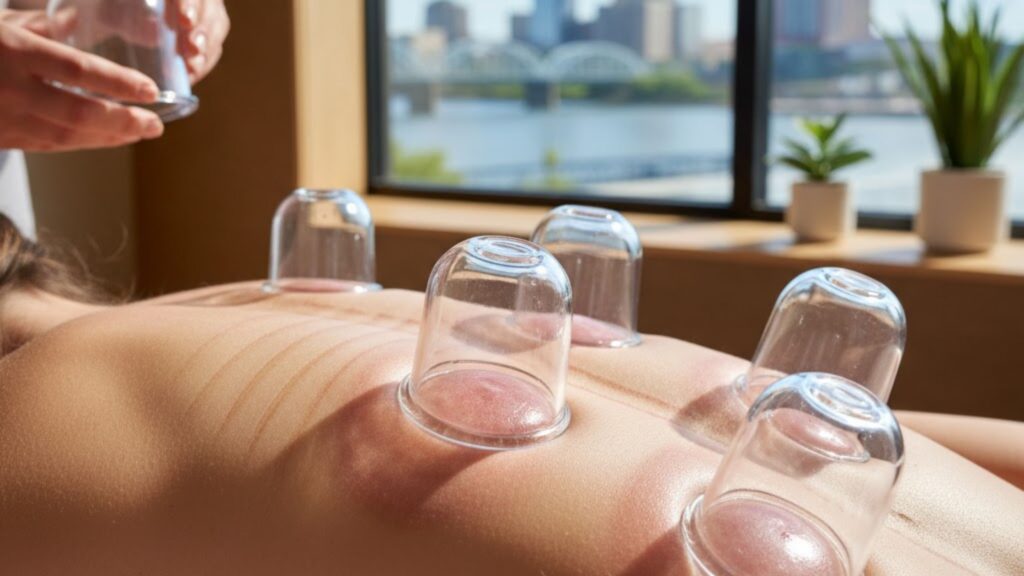
A typical session begins with a focused consultation to identify goals, screen for contraindications, and choose the appropriate cupping technique and pressure settings tailored to the individual. During treatment, cups are placed or glided over targeted regions; sensations commonly include a pulling or warming feeling and temporary redness where hyperemia occurs. Aftercare typically involves hydration, light movement or stretching to reinforce tissue mobility, and guidance on session frequency based on goals—acute injury phases often need closer spacing than maintenance care. Knowing the stepwise process and typical sensations reduces anxiety and helps clients engage fully in follow-up care that sustains benefits.
- Pre-session assessment: Clinician screens history and defines targets before treatment.
- Technique selection: Static, gliding, or pulsed cupping chosen based on goals and tolerance.
- Active pairing: Cupping may be combined with assisted stretching or exercises in-session.
Fuel Health & Wellness clinicians, including physical therapists and stretch practitioners, guide each stage of the session with attention to individualized intensity and target sequencing; readers seeking personalized plans can request an evaluation to determine an optimal cupping schedule and complementary therapies. This procedural clarity lowers barriers to booking and helps ensure sessions align with broader recovery goals and safety considerations.
What Is the Typical Process and Sensation During a Cupping Therapy Session?
The process typically follows consultation, targeted cup placement or gliding work, and integrated active or passive movement to consolidate tissue changes and promote lymphatic flow.
Sensations include mild pulling, warmth, and transient tightness; visible cup marks (ecchymosis) can appear but are usually self-limited and indicative of local hyperemia rather than harm. Post-session recommendations commonly encourage hydration and gentle activity to reinforce lymphatic return and maintain improved perfusion. Clear expectations about sensation and transient side effects reduce anxiety and support adherence to follow-up recommendations.
How Often Should You Schedule Massage Cupping for Lasting Blood Flow and Lymphatic Benefits?
Recommended frequency depends on the treatment goal: acute injuries may benefit from several sessions in the first 1–2 weeks while chronic conditions often respond to weekly sessions during an active rehab phase, transitioning to monthly maintenance as improvements stabilize. For athletic recovery, treatments can be scheduled around training cycles—more frequent during high-volume phases, less during taper periods—to maintain circulation and expedite recovery. Individualized assessment by a clinician determines exact spacing, with progress reviews guiding adjustments based on objective and subjective response. Consistent monitoring ensures benefits are sustained while minimizing unnecessary treatments.
- Acute phase: 1–3 sessions over 1–2 weeks with conservative intensity.
- Rehabilitation phase: Weekly sessions paired with therapy for 4–8 weeks.
- Maintenance: Monthly or as-needed sessions to preserve mobility and circulation.
These frequency ranges offer practical starting points while emphasizing clinician-guided personalization.