


Do you often find yourself lying awake at night, mind racing, or constantly battling a tight knot in your shoulders that just won’t seem to unwind? You are certainly not alone in this modern struggle against physical and mental stress. Many people mistake chronic tension and restlessness as simply an unavoidable side effect of a busy life.
However, the key to unlocking true deep relaxation and restorative sleep might not lie in another pill or gadget, but rather in reconnecting with your body’s natural ability to relax. This is where Assisted Stretch Therapy steps in as a powerful, non-invasive solution.
It is a specialized approach that goes far beyond the simple act of stretching. It utilizes scientifically proven techniques to directly communicate with your nervous system, initiating a cascade of internal events that dramatically reduce stress hormones.
By gently guiding your body into deeper, targeted stretches, a trained practitioner can help release deep-seated muscle tension you may not even realize you hold. This physical release translates directly into a profound mental calm, setting the stage for significantly improved well-being.
The connection between your tight muscles and your sleepless nights is far more intricate than you might imagine. It involves complex neurological feedback loops and hormonal balances that govern whether your body is stuck in ‘fight or flight’ mode or ready for ‘rest and digest.’
Understanding this deep, internal relationship is the first step toward reclaiming both your evenings and your energy. Let’s dive into the fascinating science behind how this therapeutic modality can fundamentally change your relationship with sleep and stress.
How does Assisted Stretch Therapy influence the autonomic nervous system?
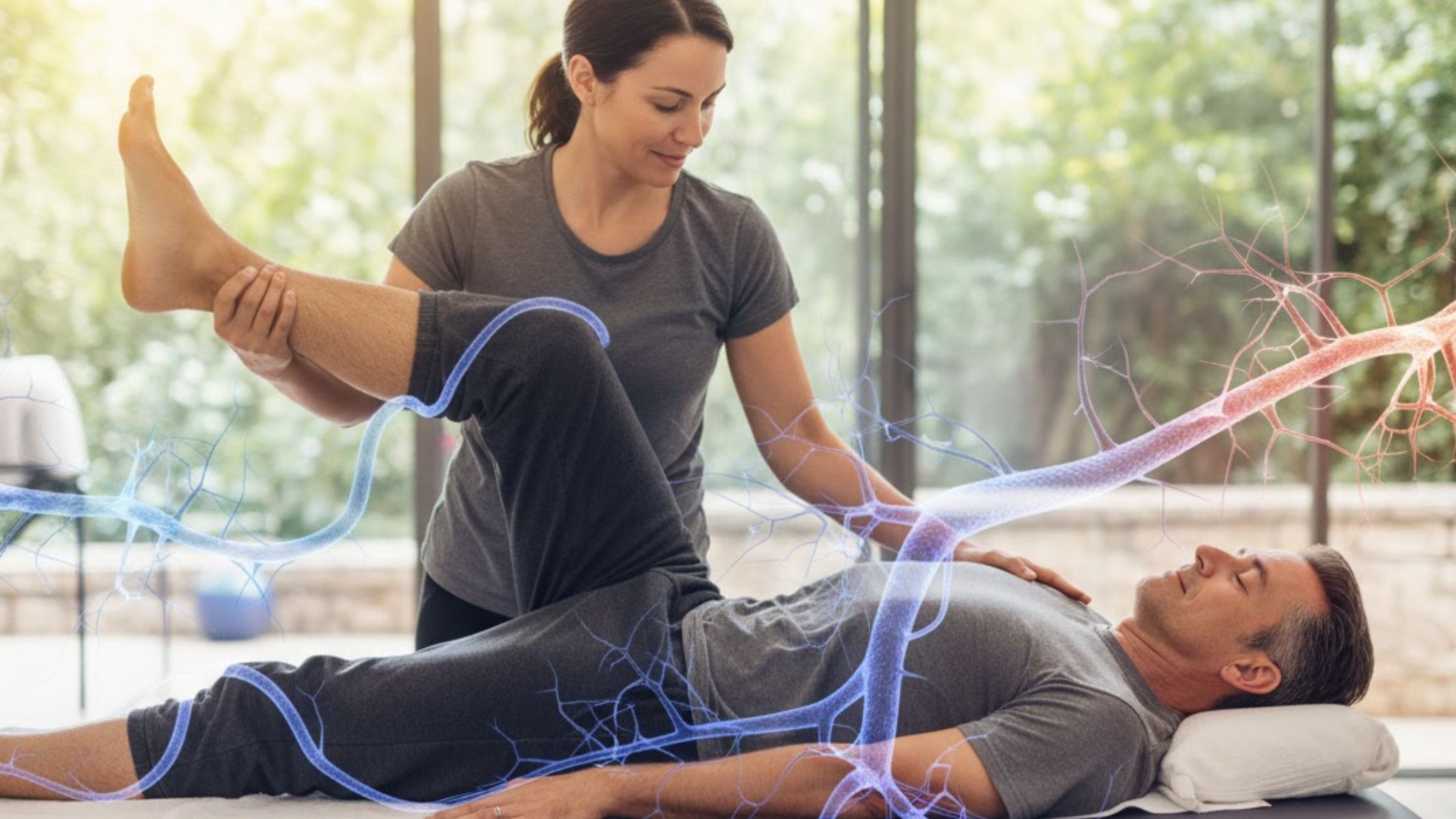
The primary reason why assisted stretching is so effective for stress relief and sleep is its direct influence on the autonomic nervous system (ANS). The ANS acts as your body’s automatic control center, regulating involuntary functions like heart rate, breathing, and digestion.
When we live under chronic stress, whether emotional or physical, the ANS gets stuck in a state of hyper-arousal, constantly signaling danger. This sustained state prevents the body from naturally transitioning into the deep recovery phases needed for rest.
Traditional exercise and self-stretching, while beneficial, often fail to fully disengage this deeply ingrained tension because the stretch reflex is still active, causing the muscle to resist. This resistance keeps the body mildly stimulated.
Assisted stretching, conversely, is guided and passive, allowing the client to fully surrender control. This act of surrendering, combined with gentle pressure and rhythmic breathing cues, sends a powerful signal of safety to the brain.
This message bypasses the typical fear response, allowing the body to relax far deeper than it can achieve on its own. The therapist works precisely up to the point of resistance and gently encourages release, retraining the nervous system over time.
This systematic process begins to re-educate the muscle-nerve connection, teaching the body that it is safe to let go of stored physical tension. The immediate result is a drop in muscle residual tension, often referred to as “tonus.”
A lower resting muscle tonus means less constant neurological input bombarding the brain. This creates a quieter, more peaceful internal environment that is conducive to mental rest.
Furthermore, studies have shown that slow, sustained stretches can influence baroreceptors in the body, leading to a quick drop in blood pressure. This physiological change is a direct indication that the body is moving away from high alert.
By modulating blood pressure and heart rate, assisted stretching helps stabilize the cardiovascular system. A calmer heart rhythm naturally contributes to a calmer overall state of being.
The combined effect of muscle release and cardiovascular stabilization initiates the critical shift needed for true relaxation. It’s a physical reset button for an overstimulated system.
The Sympathetic and Parasympathetic Divide
The ANS is comprised of two opposing forces: the sympathetic nervous system (SNS) and the parasympathetic nervous system (PNS). The SNS is the “fight or flight” mechanism, designed for immediate survival.
When the SNS is activated, it releases stress hormones like adrenaline and cortisol, increases heart rate, and diverts blood flow away from non-essential systems, such as digestion. This is essential for a sudden threat but detrimental when prolonged.
The PNS, or the “rest and digest” system, is responsible for recovery, repair, and conservation of energy. It slows the heart rate, lowers blood pressure, and promotes digestion and tissue repair.
Chronic stress means the sympathetic accelerator pedal is perpetually pressed down, leading to persistent muscle tightness and emotional hypervigilance. The body struggles to shift into the PNS dominance required for sleep.
Assisted stretch therapy acts as a strong, intentional brake on the SNS. The combination of gentle touch, deep breathing guidance, and controlled, passive movement directly stimulates the vagus nerve.
The vagus nerve is the longest nerve in the ANS, and it is the main regulator of the parasympathetic response. Stimulating it through diaphragmatic breathing and gentle physical input encourages a state of deep, sustained calm.
When the vagus nerve is activated, the heart rate variability improves, indicating better regulation between the two nervous systems. This measurable improvement in HRV is a key marker of reduced stress and enhanced recovery capacity.
The process of assisted stretching therefore doesn’t just stretch muscles; it actively recruits the PNS. It teaches the body how to access and utilize its own natural, profound relaxation response, making it easier to self-regulate stress long after the session ends.
Deactivating the Stress Response Through Deep Muscle Release
Physical tension is often the silent carrier of mental and emotional stress. Tight muscles in the neck, shoulders, and hips are physical manifestations of a mind that is constantly guarded and ready for action.
When the body enters an Assisted Stretch Therapy session, the client is placed in a position of passive vulnerability and safety. This allows the highly trained practitioner to work past the superficial layers of muscle and into the deep-seated connective tissue.
The goal is not simply to achieve greater length, but to deactivate the persistent contraction signals sent by the nervous system. This deactivation is where the magic of tension release truly happens.
Regular assisted sessions can lead to a fundamental change in resting muscle length, which reduces the baseline sensory input muscles send to the central nervous system. Less input equals less mental clutter and physical discomfort.
This deep muscle release also has a direct effect on pain management. Tight muscles restrict blood flow and put undue pressure on joints and nerves, often manifesting as chronic lower back or neck pain.
By restoring mobility and releasing these restrictions, assisted stretching alleviates the physical causes of pain. When the body is free from persistent pain signals, the nervous system has one less reason to stay on high alert.
A session can provide a profound sense of lightness and openness, as if the physical weight of daily responsibilities has been lifted. This physical transformation has an immediate positive correlation with mental clarity and emotional regulation.
It is a powerful biofeedback loop: the more physically relaxed the body becomes, the easier it is for the mind to follow suit, breaking the cycle of tension leading to stress.
The Role of Proprioception and Reflexes

The effectiveness of advanced stretch methods relies heavily on proprioceptors—sensory receptors within muscles, tendons, and joints that tell the brain where the body is in space. Two key players are the Golgi Tendon Organ (GTO) and the Muscle Spindle.
Muscle Spindles monitor the speed and amount of muscle lengthening. If a muscle is stretched too quickly, the spindles trigger the stretch reflex, causing the muscle to contract instinctively to prevent injury. This is why self-stretching often feels limiting.
The GTOs, located where the muscle meets the tendon, monitor muscle tension. When tension becomes too high, the GTOs fire, sending an inhibitory signal to the spinal cord that forces the muscle to relax. This mechanism is key to achieving true, deep flexibility.
Assisted stretching techniques, especially those that involve resistance, are expertly designed to exploit this GTO mechanism. Techniques like PNF (Proprioceptive Neuromuscular Facilitation) strategically engage and then inhibit the target muscle.
During a PNF stretch, the client lightly contracts the muscle against the therapist’s resistance for a few seconds. This contraction dramatically increases tension, causing the GTO to fire the inhibitory signal.
When the client then relaxes, the muscle is in a state of ‘post-isometric relaxation,’ allowing the practitioner to gently move the limb into a significantly deeper, safer, and more effective stretch. To learn more about this approach, you can explore the difference between PNF Stretching vs. Traditional Assisted Stretch Therapy.
This controlled and deliberate deactivation of the muscle spindle reflex allows for muscular lengthening without injury risk. It teaches the nervous system that a deeper range of motion is safe.
The sustained focus required for the ‘contract-relax’ cycle also demands deep concentration and controlled breathing, which further anchors the client in the present moment. This deliberate mindfulness enhances the de-stressing effects of the technique.
Cultivating Rest: How Stretching Supports Sleep Quality Improvement

Sleep is not merely the absence of wakefulness; it is a complex biological process vital for cellular repair, memory consolidation, and hormonal regulation. Consistent, high-quality sleep is non-negotiable for true health.
However, when muscle tightness and a hyped-up nervous system collide, they create a physiological environment of discomfort and alertness. This condition makes falling asleep difficult and disrupts the ability to stay in deep, restorative sleep cycles.
Assisted stretching directly combats the two major physical obstacles to sleep: muscle discomfort and mental hyperactivity. By systematically lengthening tissues, it reduces the physical strain that often leads to tossing and turning at night.
Furthermore, the dedicated time spent in a calming, passive stretch session provides a powerful psychological bridge between the busy activities of the day and the quiet contemplation of the night. It signals a hard stop to the day’s stressors.
This practice, specifically designed for sleep quality improvement, can help align the body’s internal clock. By calming the mind and reducing physical pain, it makes the pre-sleep period—known as the sleep latency—much shorter.
When sleep onset is quick and the body is already physically relaxed, the likelihood of entering deep, non-REM sleep is significantly higher. This is the stage where the majority of physical recovery occurs.
A well-stretched body is also less prone to leg cramps or restless leg syndrome, which can frequently jolt individuals out of deep sleep cycles. The improved circulation from the therapy helps keep muscles nourished and relaxed overnight.
| Sleep Stage | Primary Characteristics | Benefit of Assisted Stretching |
| NREM Stage 1 | Light sleep, muscle activity slows. | Shortens sleep latency (time to fall asleep). |
| NREM Stage 2 | Heart rate slows, body temperature drops. | Facilitates the smooth drop in heart rate and blood pressure. |
| NREM Stage 3 | Deepest sleep, tissue repair, growth hormone release. | Reduces physical tension that prevents entry into this restorative phase. |
| REM Sleep | Dreaming, brain highly active, muscle paralysis. | Enhances overall sleep architecture by reducing middle-of-the-night awakenings. |
The consistent application of this kind of therapeutic intervention trains the body to associate the feeling of muscle release with safety and rest. This is a foundational element in developing long-term healthy sleep hygiene.
Hormonal Balance: Cortisol and Melatonin

Our daily energy and nightly rest are heavily dictated by the balance of two key hormones: cortisol and melatonin. These two hormones work in opposition as part of the body’s natural circadian rhythm.
Cortisol is the primary stress hormone, which peaks in the morning to wake us up and should gradually decline throughout the day. However, chronic stress keeps cortisol levels elevated late into the evening.
High evening cortisol levels are inherently incompatible with sleep; they keep the mind wired, alert, and anxious, actively inhibiting the brain’s attempt to power down for the night. This is often described as feeling “tired but wired.”
Assisted stretch therapy sessions trigger the PNS, which directly counteracts the production of cortisol. The deep relaxation and controlled breathing actively lower the level of circulating stress hormones.
By reducing cortisol, the therapy creates a necessary hormonal window for melatonin production. Melatonin is the hormone that signals to the brain that it is time to sleep.
When the body is calm and the lights are low, the brain can effectively ramp up melatonin output without the disruptive noise of stress hormones interfering. This hormonal rebalancing is crucial for restorative rest.
The gentle, supported movements also help to improve lymphatic flow and circulation, aiding the body’s natural detoxification processes that occur during sleep. Better internal processing leads to more efficient rest.
If you are interested in optimizing your recovery and wellness protocols, we encourage you to meet the team of dedicated professionals who can guide you through the process. They possess the knowledge to tailor sessions for your specific biological needs.
Integrating Relaxation Stretch Therapy into Your Life
The beauty of relaxation stretch therapy lies in its ability to be seamlessly integrated into almost any lifestyle, acting as a mandatory pause button in a world that rarely slows down. It is an intentional act of self-care.
Unlike other physical therapies that require maximum effort or focused concentration, this form of stretching demands passive participation. The client’s main task is simply to breathe and allow the practitioner to do the work.
This passive nature is precisely what maximizes the de-stressing effect. It provides an immediate and verifiable break from the cognitive load of decision-making and physical exertion that dominates the waking hours.
Many people find that a late afternoon or early evening session acts as a powerful buffer against the stress accumulated during the workday. It resets the physiological baseline before the demands of the evening routine take over.
The results are cumulative. Regular sessions don’t just provide acute relief; they gradually increase your baseline flexibility and, critically, improve your body’s stress tolerance. You become less reactive to daily stressors.
Over time, clients report feeling a greater sense of bodily awareness. They can identify tension earlier and intervene with simple self-care measures, maintaining the relaxed state achieved during the professional session.
Targeted Relief for Sedentary Lifestyles
Modern life is largely sedentary, characterized by prolonged sitting that leads to predictable patterns of muscle imbalance and chronic discomfort. Hip flexors become tight, hamstrings shorten, and the chest muscles become perpetually contracted.
These postural imbalances—often referred to as ‘desk posture’—contribute directly to tension headaches, shallow breathing, and persistent back pain. All of these physical ailments are notorious for disrupting both mood and sleep.
A specialized stretching session targets these specific areas of chronic shortening, such as the psoas muscle and the pectorals. Lengthening these muscles helps restore a more upright and relaxed posture.
By releasing tension in the large muscle groups that connect to the spine, pressure is alleviated from sensitive nerve roots. This relief from mechanical stress translates immediately into a reduced sense of physical unease.
Consider the immediate relief of having the stiffness in your neck and upper back gently released, a sensation that is often impossible to achieve through solo stretching alone. This profound release clears the path for true rest.
When you feel the lasting, tangible difference that a professionally guided session can make on your daily comfort and overall mobility, you begin to understand its value. You can explore the full range of benefits associated with Assisted Stretch Therapy and how it can be tailored for your specific needs.
From Chronic Tension to Fluid Movement: The Tension Release Routine
For those dealing with chronic tightness, an effective tension release routine requires more than just isolated stretches; it demands a systematic, full-body approach that addresses interconnected myofascial lines.
Myofascial tissue is the dense, web-like connective tissue that surrounds muscles, bones, and organs. When this fascia becomes restricted due to injury, inactivity, or sustained stress, it forms knots or trigger points that radiate pain and restrict movement.
Assisted stretching techniques often integrate elements of myofascial release, applying gentle, sustained pressure to these restricted areas. This is done with the expertise of a practitioner who understands the interconnectedness of the body’s fascial chains.
For example, tension held in the hips and glutes can often be the root cause of seemingly unrelated tension in the lower back and hamstrings. A comprehensive session addresses these root causes, not just the symptomatic pain points.
By systematically unlocking these myofascial restrictions, the body regains its ability to move fluidly and without resistance. This improved movement translates into greater confidence and reduced anxiety during physical activity.
At Fuel Health & Wellness, we focus on identifying these compensatory patterns of movement and tension. Our practitioners are trained to see how your gait, posture, and movement restrictions contribute to your overall stress level.
We believe that true health is about more than just flexibility; it is about restoring the body’s innate ability to move gracefully and without pain. This improved physical literacy is a key component of stress management.
Mobility for the Active Individual
Even for highly active individuals, tension release routine is essential. Intense exercise creates microscopic tears in muscle fibers, and without proper recovery, this leads to residual tightness and reduced range of motion.
If an athlete’s muscles remain tight, their range of motion is compromised, forcing the body to use inefficient or incorrect movement patterns. This significantly increases the risk of acute or overuse injuries.
For runners, for instance, tight hip flexors and calves can compromise stride length and efficiency, leading to issues in the knees or ankles. Regular professional stretching helps maintain optimal functional length in these critical muscles.
The practice helps flush out metabolic waste products, such as lactic acid, that accumulate during strenuous activity. This improved waste removal through enhanced circulation reduces delayed onset muscle soreness (DOMS).
Reduced DOMS means quicker recovery times, allowing for more consistent and effective training sessions. This cyclical improvement—better recovery leading to better performance—is invaluable for anyone pursuing athletic goals.
This focus on preventative maintenance is especially crucial for individuals who engage in repetitive or high-impact sports. Consistent assisted stretching acts as an essential preventative tool.
If you are a dedicated runner, integrating this deep tissue work into your regimen can be a game-changer for long-term physical health. Learn more about the specific benefits in our article on Injury Prevention for Runners with Stretch Therapy.
Specialized Support for Peak Performance and Longevity
Assisted stretching is a highly adaptable modality that can be precisely tailored to the unique needs of diverse populations, from elite athletes needing an edge to seniors striving for longevity and fall prevention. The personalization is key to its success.
For athletes, the focus is often on increasing joint mobility just enough to optimize specific movements, such as a shoulder’s external rotation for a pitcher or hip extension for a cyclist. The enhanced range of motion translates directly to increased power and speed.
For the older adult, the priority shifts to functional mobility—maintaining the ability to perform daily tasks like reaching overhead, bending down, and climbing stairs without pain or strain.
As we age, joint stiffness and muscle atrophy naturally occur. Consistent, gentle Assisted Stretch Therapy combats these effects by keeping the surrounding supportive musculature pliable and healthy.
This preventative approach is crucial for maintaining independence and quality of life later in life. It helps reduce the fear of falling, which often leads to decreased activity and further physical decline.
The sensory input provided during the session also heightens body awareness and proprioception, which are critical for balance and coordination—two essential elements in fall prevention.
The consistent reduction of chronic pain through stretching encourages people of all ages to remain active. When movement is pain-free, the motivation to exercise and participate in life increases exponentially.
This improvement in physical freedom has a profound psychological effect, reinforcing a positive self-image and increasing overall life satisfaction. Feeling capable of movement is a powerful antidote to stress and anxiety.
Fuel Health & Wellness is dedicated to providing specialized stretching protocols that meet you exactly where you are in your health journey, ensuring the maximum sleep quality improvement and tension relief.
Post-Workout Recovery and Lymphatic Flow
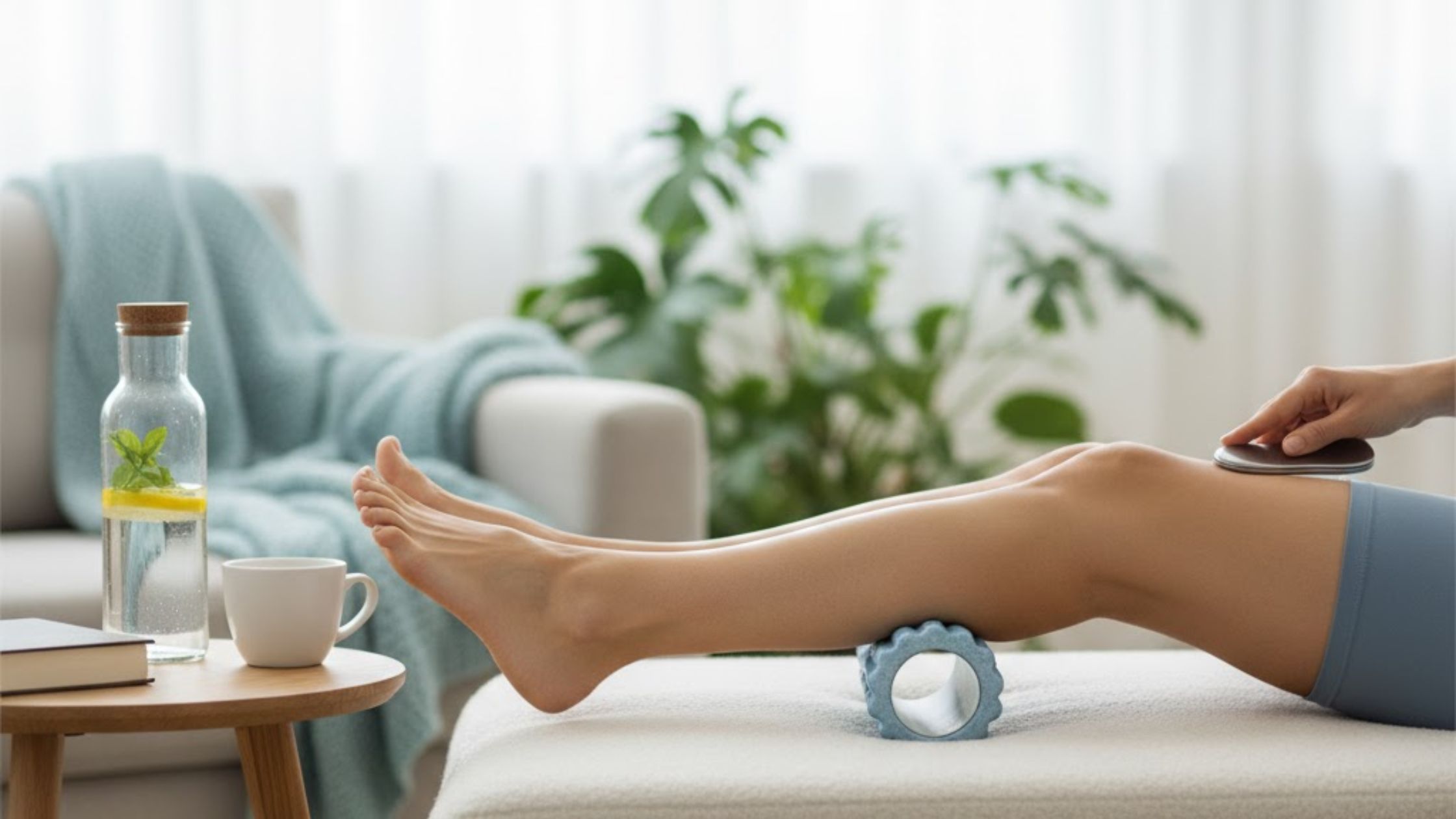
Post-exercise recovery is often the most neglected aspect of a fitness routine, yet it is where the majority of physiological adaptation occurs. Assisted stretching is an unparalleled tool for accelerating this recovery phase.
When muscles are stretched deeply, the mechanical action helps to pump stagnant fluids—including metabolic byproducts and inflammatory markers—out of the tissue. This process enhances both venous return and lymphatic flow.
The lymphatic system is the body’s natural waste disposal and immune system regulator. By stimulating its flow, stretching helps reduce systemic inflammation and swelling, leading to quicker dissipation of muscle soreness.
This rapid recovery is why assisted stretching is so popular with individuals engaged in rigorous physical training. They can push harder in their workouts knowing their body has an effective mechanism for restoration afterwards.
Furthermore, by reducing muscle tightness, the therapy ensures proper blood flow is restored to the muscle fibers. Increased circulation delivers essential oxygen and nutrients required for tissue repair and protein synthesis.
Optimal post-exercise recovery is intrinsically linked to better sleep, as the body uses the deep sleep cycles (NREM Stage 3) to execute the repair processes fueled by these nutrients. In essence, stretching preps the body for maximum recovery efficiency.
For high-level performance and injury resilience, these deep recovery practices are non-negotiable. Dive deeper into optimizing your athletic body by reading about Assisted Stretching for Athletes and Active Lifestyles.
Choosing the Right Partner in Your Wellness Journey
The success and safety of Assisted Stretch Therapy hinge entirely on the skill, knowledge, and communicative ability of the practitioner. This is a subtle yet powerful interaction between two nervous systems.
A highly trained practitioner must possess a deep understanding of human anatomy, musculoskeletal biomechanics, and, crucially, the nervous system’s response to stretch and resistance.
They must know when to push for greater range and when to back off, always working with the body’s natural limits rather than against them. The relationship is built on trust, communication, and mutual respect.
The session should feel controlled, secure, and consistently on the verge of intense, but never painful. A professional will continually check in with you, using a subjective pain scale to ensure the stretch remains therapeutic and effective.
The environment of the therapy session is just as important as the technique itself. It should be calm, quiet, and conducive to relaxation, reinforcing the signal to your body that it is time to shift into parasympathetic mode.
Finding a provider whose philosophy aligns with your holistic wellness goals is essential for long-term adherence and success. The expertise should extend beyond muscle groups to include understanding lifestyle factors like stress and sleep.
At Fuel Health & Wellness, our commitment is to personalized care. We begin every relationship with an assessment of your full range of motion, lifestyle habits, and specific goals, whether they be injury recovery or pure stress relief.
We view assisted stretching not as a luxury, but as a critical component of preventative health and mental resilience. Our approach is informed by the latest scientific literature on neuromuscular function and recovery.
We encourage you to learn more about our philosophy and meet the compassionate professionals who lead our sessions by visiting our Fuel Health & Wellness section. We are here to partner with you every step of the way.
To schedule your initial consultation and take the first step toward a more relaxed, mobile, and well-rested life, please don’t hesitate to contact us today.
Frequently Asked Questions About Assisted Stretch Therapy
Does assisted stretching help with anxiety?
Yes, assisted stretching can be highly effective in managing and reducing symptoms of anxiety. Anxiety is inherently linked to the sympathetic nervous system’s ‘fight or flight’ response, which manifests physically as muscle tension, shallow breathing, and elevated heart rate. By using passive, sustained stretching and guided diaphragmatic breathing, the therapy forces a switch to the parasympathetic ‘rest and digest’ state. This neurological shift physically lowers heart rate and blood pressure, releases deep-seated tension, and reduces the concentration of circulating stress hormones like cortisol, thereby creating a measurable and immediate sense of calm that helps mitigate anxious feelings.
How often should I get assisted stretching for stress relief?
The ideal frequency for assisted stretching depends on your current level of stress, physical activity, and overall flexibility. For acute stress relief and to initiate significant, measurable gains in flexibility and nervous system regulation, two sessions per week are often recommended initially. Once a baseline of improved flexibility and relaxation is achieved, most clients successfully maintain their benefits with one session per week. Consistency is the most important factor, as regular sessions train the muscle memory and the nervous system to remain in a lower state of tension.
Is assisted stretching better than stretching on my own?
Assisted stretching provides benefits that self-stretching simply cannot replicate due to the body’s natural stretch reflex mechanisms. When stretching alone, the muscle spindle often fires quickly, causing the muscle to resist the stretch to prevent over-lengthening. A trained practitioner can skillfully work around this reflex using advanced techniques like PNF (Proprioceptive Neuromuscular Facilitation). This allows the target muscle to be stretched significantly deeper and more safely, resulting in superior gains in flexibility and a much more profound level of physical and neurological relaxation.
Who is assisted stretching for?
Assisted stretching is truly for everyone, regardless of age, fitness level, or existing flexibility. While athletes use it for peak performance, faster recovery, and injury prevention, the largest demographic that benefits includes office workers and individuals with chronic stress. People who spend long hours sitting or standing develop postural imbalances and chronic tension in the neck, hips, and shoulders. The therapy directly addresses these issues, offering relief from everyday aches, improving posture, and providing a powerful method for managing stress and improving sleep quality.
What should I wear to an assisted stretching session?
You should wear loose, comfortable clothing that allows for a full range of movement without restriction. This typically includes athletic wear, such as yoga pants, leggings, sweatpants, or comfortable shorts, along with a t-shirt or athletic top. Avoid wearing stiff materials like jeans, or clothing with zippers, buttons, or embellishments that could interfere with the stretch or cause discomfort when lying on the stretching table. Comfort and ease of movement are essential to allowing the body to fully relax into the deeper stretches.
Final Thoughts on Achieving Holistic Wellness
The journey toward better health is rarely linear, but incorporating modalities that address the physical manifestations of stress is a critical step forward. Assisted Stretch Therapy offers a unique, powerful, and scientifically grounded pathway to holistic wellness.
By directly engaging the nervous system and systematically releasing years of accumulated muscle tension, this therapy offers far more than just increased flexibility. It provides the key to unlocking a state of sustained calm.
The cycle of chronic stress and poor sleep can feel impossible to break, yet the evidence clearly shows that intentional, professionally guided movement is a vital intervention. It re-teaches the body how to be still, how to recover, and how to heal.
Whether you are seeking relief from persistent pain, aiming to improve your athletic longevity, or simply desperate for a truly restorative night’s sleep, incorporating this practice can fundamentally reset your physical and mental state. We invite you to experience the deep, lasting tranquility that comes from a fully released body.