

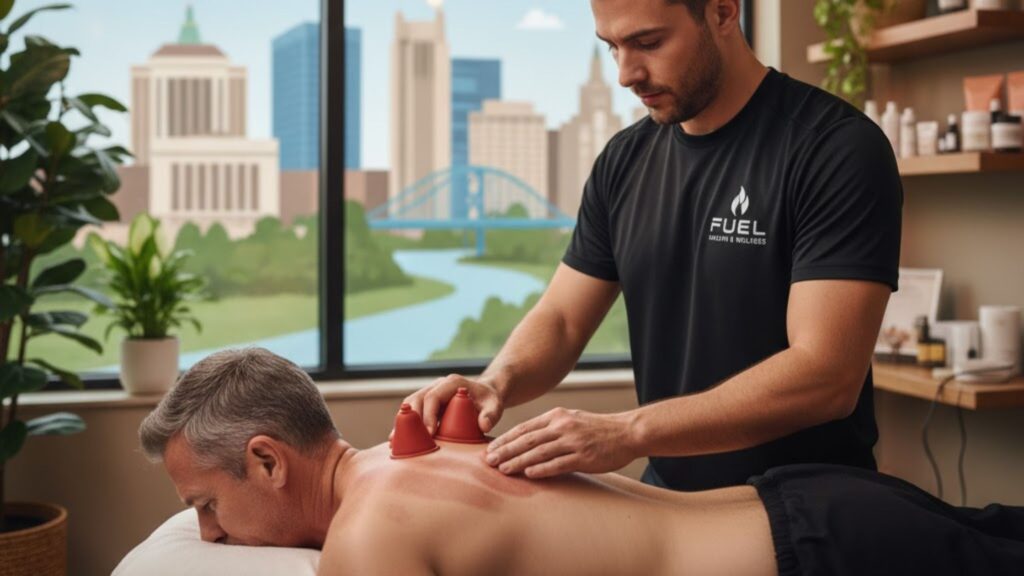
Massage cupping therapy uses controlled suction to lift skin and superficial fascia, producing local circulation increases and mechanical decompression that often reduce chronic back and neck pain. This article explains what massage cupping is, clarifies how suction and myofascial release translate into measurable relief, and summarizes the current evidence supporting its use for chronic lumbar and cervical conditions. Many Grand Rapids residents struggle with lingering low back pain, sciatica, postural neck tension, and tension headaches that resist single-modality care; massage cupping can be an effective adjunct within a broader rehabilitation plan. Here, we’ll explore mechanisms, technique choices, clinical applications for back and neck pain, realistic patient expectations, practical session logistics, and how cupping integrates with physical therapy, assisted stretching, and other conservative approaches. You’ll also find condition-focused guidance, concise EAV comparison tables for techniques and modalities, and clear local next steps to explore treatment at Fuel Health & Wellness in Grand Rapids.
What Is Massage Cupping Therapy and How Does It Work for Pain Relief?
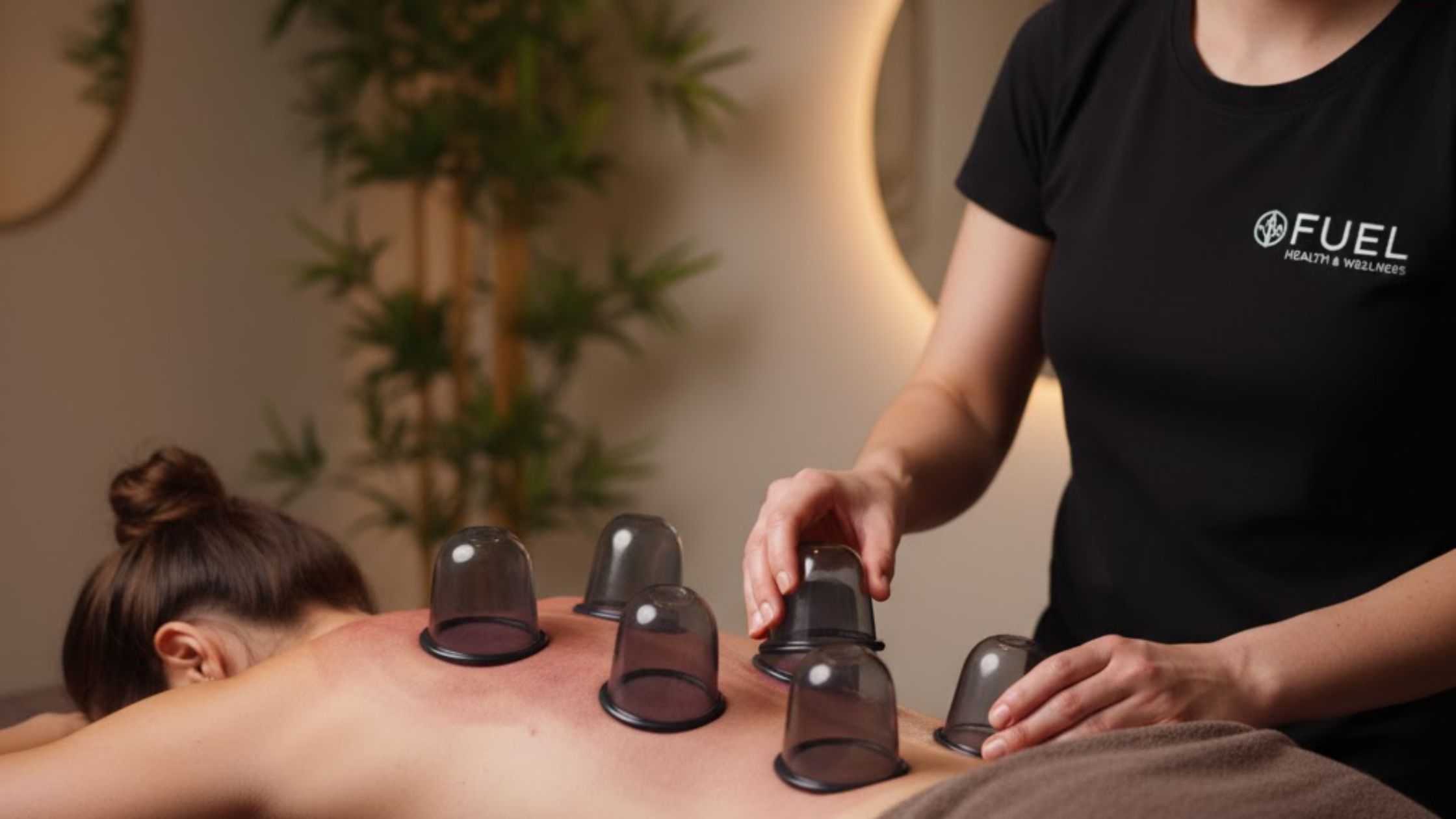
Massage cupping therapy is a manual therapy that applies suction cups to the skin to lift fascia and increase perfusion, thereby reducing muscle tone and improving mobility. Practitioners use a range of cup types and techniques—static (dry) cups, moving/gliding cups, and silicone cups—to target different tissue depths and therapeutic goals. The principal mechanisms include mechanical fascial lift, increased local blood flow, reduction of myofascial adhesions, and stimulation of lymphatic drainage; together these effects lower nociceptive input and improve range of motion. Recent systematic reviews and randomized trials suggest cupping can reduce pain intensity and improve function when combined with other conservative care, though evidence quality varies and benefits are typically greatest as part of a multimodal plan. Understanding these mechanisms helps you and your clinician choose appropriate techniques and sequence cupping alongside exercise and manual therapies.
What Is Massage Cupping Therapy?
Massage cupping therapy is rooted in traditional suction methods adapted for modern manual therapy practice; practitioners place suction cups on the skin to create negative pressure that lifts tissue and promotes circulation. Cups may be glass, plastic, or silicone and are applied either statically or while gliding over lubricated skin to target adhesed fascia or trigger points. Sessions typically combine assessment, targeted cup placement, and manual adjustments tailored to your pain pattern, mobility limitations, and tolerance. Modern therapeutic cupping emphasizes safety, hygiene, and integration with exercise-based rehabilitation to maximize your functional gains and reduce symptom recurrence.
How Does Massage Cupping Improve Blood Circulation and Reduce Muscle Tension?
Negative pressure from suction lifts the skin and superficial fascia, creating a transient space that increases capillary perfusion and microcirculation to the targeted tissue. Improved perfusion delivers oxygen and nutrients, facilitates removal of metabolic byproducts, and supports tissue recovery—changes that can reduce local nociceptor sensitization and muscle hypertonicity. The mechanical stretch also helps separate fascial layers and break up adhesions, which restores glide between tissue planes and decreases palpable “knots.” These circulatory and myofascial effects together translate into reduced pain, increased flexibility, and improved tolerance for therapeutic exercise.
What Scientific Evidence Supports Cupping for Chronic Back and Neck Pain?
Systematic reviews and several randomized controlled trials indicate that cupping can reduce pain intensity and improve function for chronic low back pain and some neck pain syndromes when used alone or as an adjunct. For example, a 2018 systematic review summarized moderate reductions in pain scores across heterogeneous studies, while other trials show clinically meaningful improvements when cupping complements exercise or manual therapy. Limitations include variability in protocols, small sample sizes, and short-term follow-up in many studies, so clinicians typically recommend cupping as part of a multimodal plan rather than a stand-alone cure. Ongoing research is clarifying optimal dosing, cup types, and sequencing with rehabilitation.
Cupping Massage for Chronic Neck Pain: A Randomized Controlled Trial
Patients with chronic non-specific neck pain were randomly assigned to cupping massage or a wait list control group. The primary outcome was the change in neck pain intensity (Visual Analogue Scale, VAS) after 12 weeks. Secondary outcomes included pain on motion, functional disability, and quality of life. Results showed a significant reduction in neck pain intensity and improvement in functional disability in the cupping massage group compared to the control group.
The effects of cupping massage in patients with chronic neck pain—a randomised controlled trial, H Cramer, 2017
How Does Massage Cupping Complement Other Pain Management Therapies?
Cupping functions as a preparatory and modulatory tool within multimodal care by reducing tissue tone and increasing mobility before therapeutic exercise or manual therapy. When scheduled before assisted stretching or targeted strengthening, cupping can enhance range of motion and reduce pain-related guarding that inhibits effective exercise. It also pairs well with modalities that target neuromuscular control and posture, such as physical therapy, assisted stretching, and rehabilitative massage, by creating a window of improved tissue pliability. Coordinating cupping with a structured exercise program and manual techniques yields more durable outcomes than any single modality alone.
Massage cupping’s circulatory and fascial effects naturally lead into condition-specific applications for the low back, which we’ll explore next.
How Can Massage Cupping Therapy Specifically Relieve Chronic Back Pain?
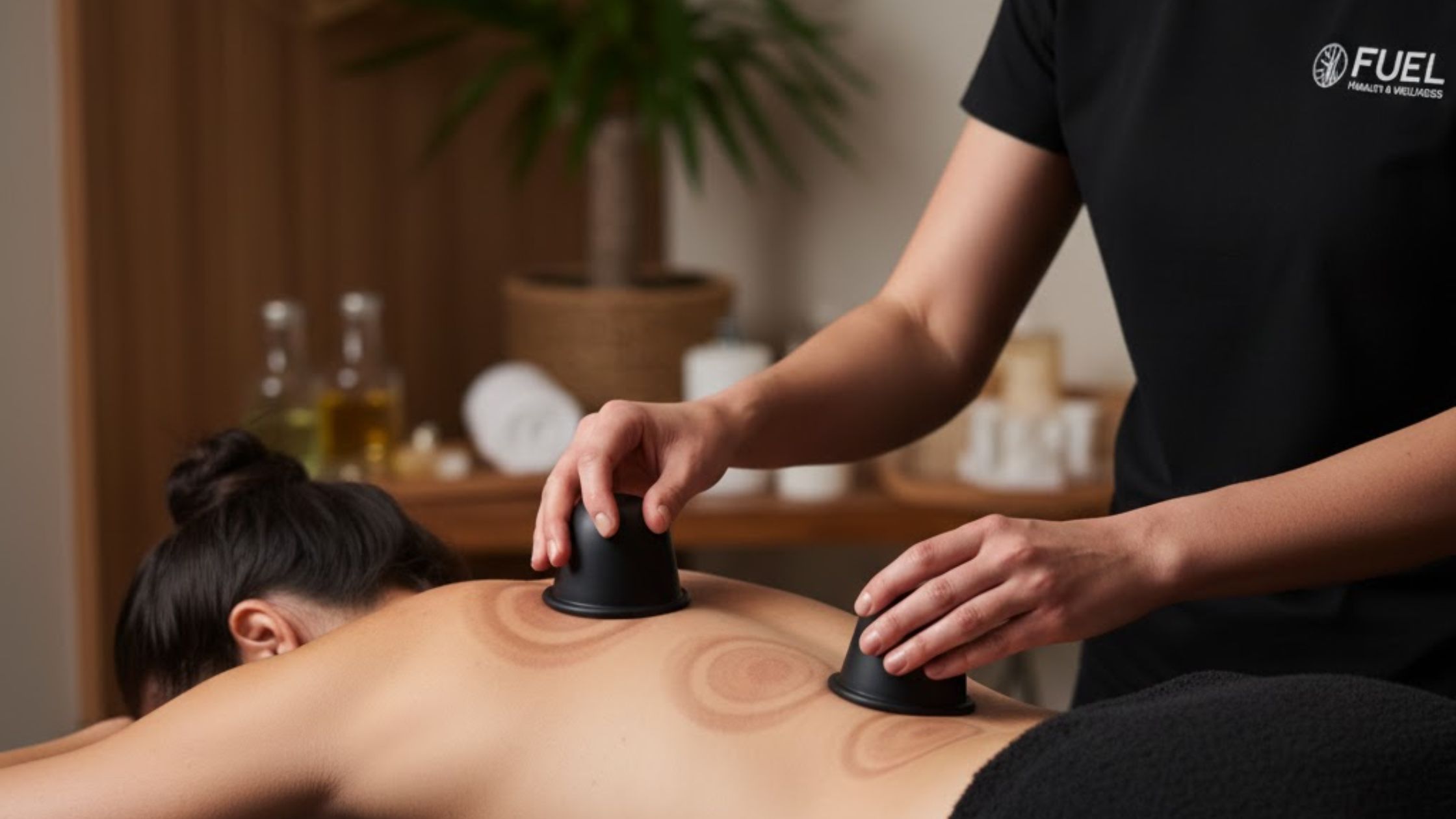
Massage cupping targets the mechanical and circulatory drivers of chronic back pain—myofascial adhesions, persistent muscle hypertonicity, and reduced local perfusion—to reduce nociception and restore movement patterns. For chronic lumbar and thoracic pain, cupping can be used to address paraspinal muscle tightness, sacroiliac region dysfunction, and referred myofascial pain that perpetuates protective movement. Clinicians select techniques based on pain distribution, tissue quality, and coexisting conditions such as sciatica or degenerative changes. Expected outcomes often include decreased pain severity, fewer painful muscle spasms, and improved spinal mobility when cupping is integrated with therapeutic exercise and postural correction.
What Are Common Causes of Chronic Back Pain in Grand Rapids Residents?
Common causes of chronic back pain include postural strain from prolonged sitting or repetitive work, degenerative disc or facet changes, recurrent muscle strains, and radicular pain such as sciatica stemming from nerve root irritation. Local lifestyle factors—work-related activities, sports participation, and ergonomic stressors—often contribute to persistent symptoms in community populations. Chronic pain typically reflects a combination of tissue-level dysfunction (myofascial adhesions, reduced circulation) and movement-system impairments (poor stability, abnormal load distribution). Recognizing the specific drivers for each patient helps guide whether cupping, exercise, manual therapy, or combined approaches are prioritized.
- Typical contributors to chronic back pain include poor posture, repetitive loading, degenerative joint changes, and nerve irritation.
- Lifestyle and occupational factors commonly perpetuate recurrent flare-ups if not addressed.
- Identifying primary drivers—structural vs. myofascial—helps determine if cupping will be most beneficial.
These cause-focused insights inform technique selection, which we’ll discuss next.
Which Cupping Techniques Are Most Effective for Back Pain Relief?
Different cupping techniques serve distinct back pain indications: static (dry) cupping for focal stagnation and deep-seated trigger points, moving/gliding cups for broad fascial release and large-area mobility, and silicone cups for patient-directed motion and tolerance on sensitive skin. The table below compares common techniques, application method, and best use-cases for chronic back pain.
Intro: The following comparison helps you and your clinician choose the optimal cupping approach based on tissue presentation and therapeutic goals.
| Technique | How it’s performed | Best use-case for back pain |
|---|---|---|
| Static (dry) cupping | Cups applied to fixed points with sustained suction | Localized trigger points, focal adhesions, acute focal tightness |
| Moving/gliding cupping | Cups glide over lubricated skin while suction maintained | Large-area fascial restrictions, broad paraspinal tension |
| Silicone cupping | Flexible cups manually moved or left for light suction | Sensitive skin, incremental tolerance-building, superficial lymphatic work |
Summary: Selecting a technique depends on pain distribution, tissue density, and patient tolerance; clinicians may combine methods across sessions to optimize outcomes.
How Does Cupping Therapy Reduce Inflammation and Muscle Knots in the Back?
Cupping’s suction stimulates microvascular flow and lymphatic circulation, which accelerates removal of inflammatory mediators and metabolic waste from the treated area. The mechanical lift of tissues reduces cross-linking of collagen within fascial layers and loosens palpable knots by restoring gliding between muscle and fascia. These changes lower peripheral nociceptive input and permit greater engagement in rehabilitative exercises that reinforce proper movement patterns. When combined with directed stretching and strengthening, cupping helps convert short-term symptomatic relief into longer-term functional improvement.
What Are Patient Success Stories of Back Pain Relief with Cupping at Fuel Health & Wellness?
Anonymized case summaries illustrate typical outcomes: one patient with chronic lumbar myofascial pain reported progressive pain reduction and improved walking tolerance after a combined program of moving cupping, assisted stretching, and targeted strengthening. Another client with intermittent sciatica experienced decreased pain intensity and fewer flare-ups when static cupping was used to reduce paraspinal spasm before nerve-gliding exercises. These clinic-based examples emphasize measurable improvements—reduced pain scores, increased range of motion, and better activity tolerance—when cupping is integrated into a personalized rehabilitation plan.
- Case summaries typically show pain reduction, mobility gains, and improved function.
- Integrating cupping with exercise and manual therapy drives more durable outcomes.
- Outcomes align with broader evidence favoring multimodal approaches for chronic back pain.
Transitioning from the back, the next section applies similar principles to neck pain and tension.
How Does Massage Cupping Therapy Help with Chronic Neck Pain and Tension?
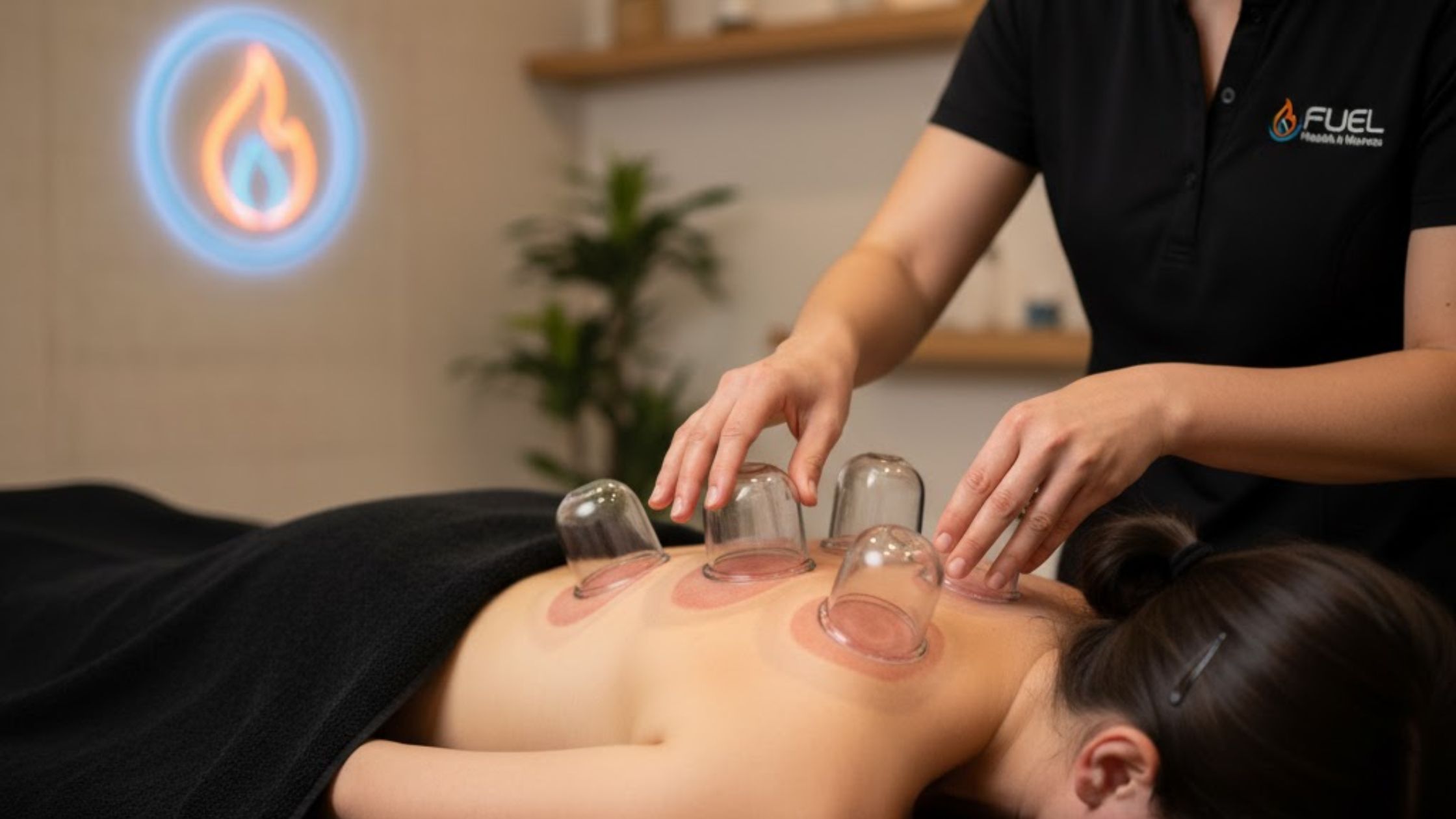
For chronic neck pain, massage cupping applies targeted suction to upper trapezius, levator scapulae, and paraspinal tissues to relieve hypertonicity and improve cervical range of motion. Because cervical tissues are more delicate, therapists adapt cup size and suction intensity and often combine gentle gliding with stretching and postural retraining. By reducing muscle tension and improving local circulation, cupping can decrease frequency and severity of tension-type headaches and cervicogenic pain. Paired with mobility exercises and ergonomic corrections, cupping helps patients regain functional neck movement and reduce symptom recurrence.
What Causes Chronic Neck Pain and Tension Headaches?
Chronic neck pain and tension headaches commonly arise from sustained poor posture, repetitive forward-head positions, trauma, and persistent myofascial trigger points in the upper back and neck. Cervicogenic headaches originate from cervical structures and present with characteristic referral patterns into the head, whereas tension headaches often stem from sustained muscle tension and central sensitization. Red flags—progressive neurologic deficits, unexplained fever, or severe unremitting pain—require medical evaluation prior to manual interventions. Identifying headache type and tissue drivers guides safe, effective use of cupping in the cervical region.
Home-Based Cupping Massage for Chronic Neck Pain Effectiveness
Chronic neck pain is a major public health problem with very few evidence-based complementary treatment options. This study aimed to test the efficacy of 12 weeks of a partner-delivered home-based cupping massage, compared to the same period of progressive muscle relaxation in patients with chronic non-specific neck pain. Patients were randomly assigned to self-directed cupping massage or progressive muscle relaxation. They were trained and asked to undertake the assigned treatment twice weekly for 12 weeks. Primary outcome measure was the current neck pain intensity (0–100 mm visual analog scale; VAS) after 12 weeks. Secondary outcome measures included pain on motion, affective pain perception, functional disability, psychological distress, wellbeing, health-related quality of life, pressure pain thresholds and adverse events. Sixty one patients (54.1±12.7 years; 73.8%female) were randomized to cupping massage (n = 30) or progressive muscle relaxation (n = 31).
After treatment Effectiveness of home-based cupping massage compared to progressive muscle relaxation in patients with chronic neck pain—a randomized controlled trial, R Lauche, 2013
How Is Cupping Applied to Relieve Neck and Shoulder Muscle Tension?
Therapists apply smaller cups with lighter suction and shorter dwell times on the neck and upper shoulder to avoid excessive petechiae and ensure comfort; moving cupping across the trapezius and scapular region encourages fascial glide without overloading delicate cervical tissues. Careful palpation and patient feedback determine cup placement, and therapists often combine cupping with gentle cervical mobilizations and assisted stretching to restore optimal motion. Safety measures include screening for anticoagulant use, skin integrity checks, and conservative suction on first sessions to establish tolerance.
Can Massage Cupping Reduce Tension Headaches and Improve Neck Mobility?
Clinical reports and randomized trials suggest cupping can reduce headache frequency and intensity for some patients with tension-type or cervicogenic headaches, likely by lowering muscle tension and interrupting pain cycles. Short-term mobility improvements—improved rotation and lateral flexion—are common after cupping plus active therapy, enabling patients to perform prescribed exercises more effectively. Best outcomes occur when cupping is part of a plan that includes posture correction, strengthening of deep neck stabilizers, and patient education to address perpetuating factors.
What Are Typical Patient Experiences of Neck Pain Relief Through Cupping?
Patients often describe immediate sensations of reduced tightness, a feeling of separation between tight muscle bands, and short-term warmth or mild bruising at cup sites that resolves over days. Many report clearer neck mobility and decreased headache frequency within several sessions, with maximal functional gains after a coordinated plan of cupping, stretching, and strengthening. Recommended aftercare—hydration, gentle movement, and short-term activity modification—supports recovery and reduces transient soreness.
Collectively, these neck-specific applications lead into the broader benefits of cupping therapy, which we’ll summarize next.
What Are the Overall Benefits of Massage Cupping Therapy for Chronic Pain Management?
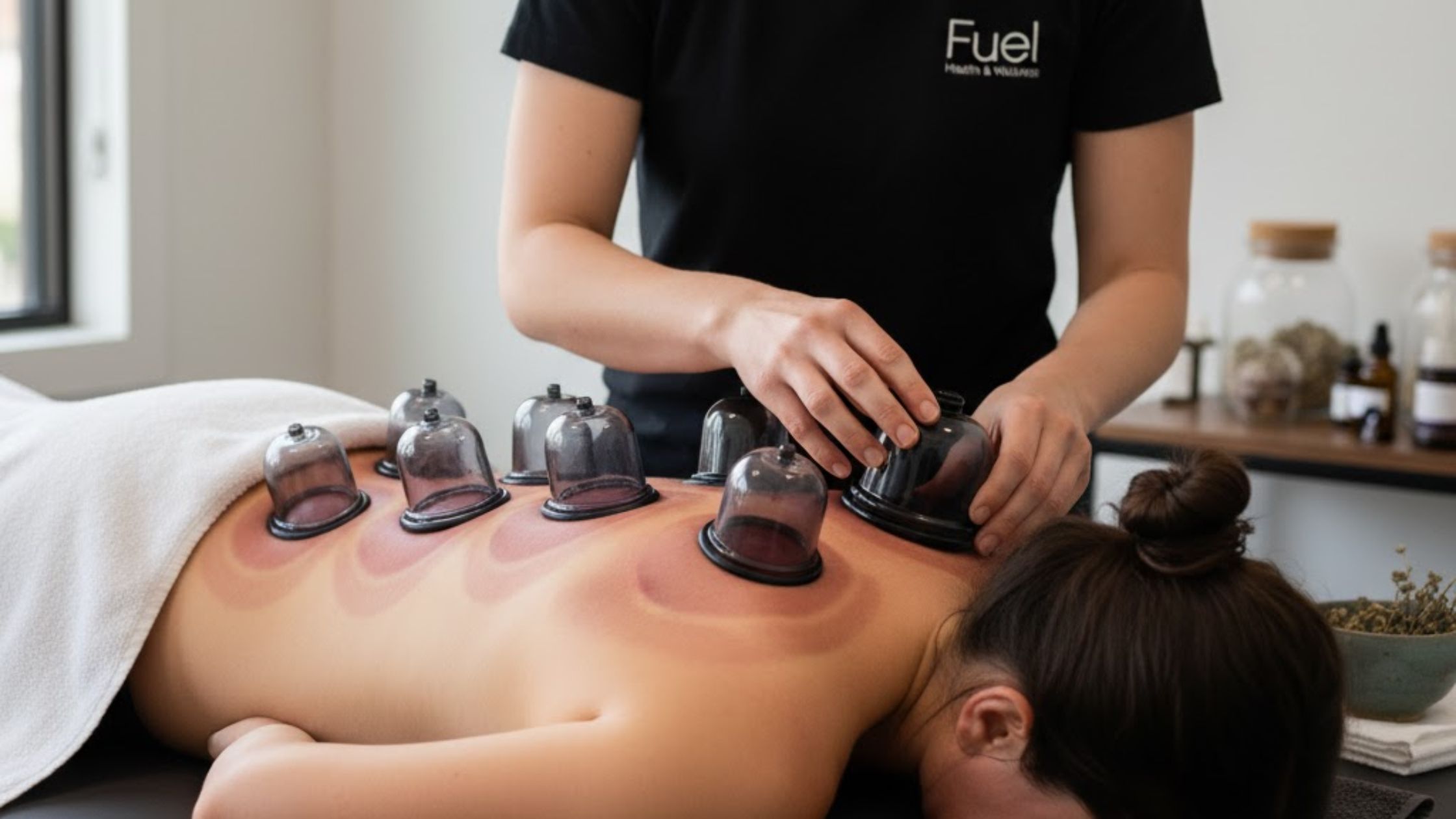
Massage cupping confers several interrelated physiological and functional benefits relevant to chronic pain management: enhanced local circulation, fascial release and reduced muscle tone, modulation of inflammatory processes and lymphatic flow, and activation of relaxation responses that lower pain perception. Together these effects improve mobility, reduce pain intensity, and create opportunities for effective rehabilitative exercise. Clinically, cupping is most valuable when it facilitates participation in therapeutic movement and addresses persistent myofascial contributors that limit progress. Here’s a concise summary linking each primary benefit to its mechanism and clinical value.
Intro: This table summarizes the main benefits of cupping, the underlying mechanism, and practical clinical value.
| Benefit | Mechanism | Clinical Value |
|---|---|---|
| Improved local circulation | Suction increases capillary perfusion | Faster tissue recovery and reduced ischemic pain |
| Fascial release & reduced tone | Mechanical lift separates adhesions | Improved ROM and decreased trigger-point pain |
| Lymphatic enhancement | Suction promotes lymph flow | Reduced local swelling and inflammatory mediator clearance |
| Nervous system regulation | Relaxation response and decreased sympathetic tone | Lower pain perception and improved sleep/recovery |
Summary: These linked mechanisms make cupping a versatile adjunct for restoring function and reducing chronic pain when combined with active rehabilitation.
How Does Cupping Promote Improved Circulation and Oxygenation?
Suction from cups transiently expands superficial blood vessels and increases microvascular perfusion, delivering oxygen and nutrients to hypoxic tissues while accelerating the removal of metabolic waste. Clinically, improved perfusion supports tissue healing and reduces nociceptor sensitization that contributes to chronic pain. Enhanced circulation also prepares tissues for stretching and strengthening by improving pliability and reducing ischemic stiffness.
In What Ways Does Massage Cupping Reduce Muscle Tension and Myofascial Adhesions?
Cupping lifts and separates fascial layers, mechanically breaking cross-links and releasing adhered tissue planes that restrict normal glide. This fascial release reduces palpable knots and decreases passive resistance during movement, making therapeutic stretches and strengthening exercises more effective. As adhesions resolve, patients often achieve greater active range and less pain during daily activities.
What Anti-Inflammatory and Detoxification Benefits Does Cupping Provide?
Cupping’s enhancement of local blood and lymph flow aids in clearing inflammatory mediators and reducing localized swelling—effects often characterized as “detoxification” in lay terms but better described as improved inflammatory modulation and lymphatic clearance. While dramatic systemic detox claims are not supported, the local reduction of inflammatory burden can meaningfully reduce pain and support healing when combined with appropriate rehabilitation strategies.
How Does Cupping Support Nervous System Regulation and Stress Reduction?
Beyond mechanical effects, cupping often evokes a relaxation response that down-regulates sympathetic arousal and promotes parasympathetic activity, contributing to lowered pain sensitivity and improved sleep. When paired with breathing exercises or brief guided relaxation, cupping amplifies nervous-system benefits and helps break chronic pain cycles driven by stress and muscle guarding. These neurophysiological changes enhance patients’ ability to engage with active therapies that produce lasting improvements.
The next section explains what patients should expect during a typical cupping session in Grand Rapids.
What Should Grand Rapids Residents Expect During a Massage Cupping Therapy Session?
A typical session begins with a focused intake and physical assessment to identify drivers of pain and rule out red flags, followed by targeted cupping, adjunct manual techniques, and personalized aftercare recommendations. Session lengths commonly range from 30 to 60 minutes depending on whether cupping is delivered alone or combined with massage, assisted stretching, or physical therapy interventions. Patients usually feel suction-related pulling during treatment and may notice transient circular marks that fade over several days. Clear communication about expectations, contraindications, and post-session care reduces anxiety and improves outcomes.
How Is the Initial Consultation Conducted at Fuel Health & Wellness?
Fuel Health & Wellness conducts a comprehensive intake that collects medical history, pain history, and functional goals, coupled with a focused physical assessment to identify movement impairments and tissue-level restrictions. Providers screen for contraindications and collaborate with patients to design a customized plan that may combine cupping with physical therapy, assisted stretching, and other services. The multidisciplinary approach ensures cupping is integrated into a goal-oriented program tailored to each individual’s needs and recovery timeline. This personalized assessment leads naturally into the selection of session types and durations.
Integration note: Fuel Health & Wellness provides holistic health and wellness services and creates customized treatment plans tailored to individual needs; to explore appointment options, Grand Rapids residents can contact the clinic at (616) 757-0932 or visit the clinic’s location at 130 Market Ave SW #106, Grand Rapids, MI, 49503 to schedule a consultation. This intake-first approach helps patients start with a clear, individualized path toward being healthy, happy, active, and pain-free.
What Types of Cupping Are Offered and How Long Do Sessions Last?
Clinics typically offer single-technique cupping sessions and combined treatments that pair cupping with massage or assisted stretching; standard session lengths range from a focused 30-minute cupping session to a 60-minute combined therapy visit. Choice of cup type and session length depends on treatment goals—short sessions for lymphatic support or longer sessions for comprehensive fascial release and integration with exercise. Combining cupping with guided stretching or strengthening during a longer visit often accelerates functional progress and reduces the need for frequent standalone appointments.
- Short sessions: focused suction work or lymphatic cupping, about 30 minutes.
- Standard sessions: cupping plus manual therapy or assisted stretching, about 45–60 minutes.
- Combination plans: cupping integrated with physical therapy or assisted stretching for rehabilitation goals.
These timing options prepare patients for what sensations and aftercare to anticipate.
What Sensations and Aftercare Should Patients Anticipate?
During treatment patients feel suction, gentle pulling, and often deep pressure sensation where cups are applied; some bruising or circular marks may appear and typically resolve in several days. Aftercare includes hydration, gentle movement or prescribed exercises, and avoiding strenuous activity for 24 hours when deeper suction is used. If marks are present, they generally fade without intervention; patients should contact their provider for prolonged pain, signs of infection, or unexpected bleeding. Proper aftercare enhances recovery and reduces the likelihood of post-session soreness.
What Are Common Patient Questions About Massage Cupping Therapy?
Patients frequently ask whether cupping is painful, how long marks last, and who is a good candidate; generally, cupping is tolerable, marks fade within days to a week, and ideal candidates include those with persistent myofascial pain and restricted mobility. Clinicians clarify contraindications such as active skin infections, certain bleeding disorders, and recent surgeries, and emphasize that cupping is part of a broader plan rather than a standalone guarantee. Clear answers and realistic expectations improve adherence and outcomes.
To help Grand Rapids residents choose a local provider, the next section describes why Fuel Health & Wellness may be a suitable option.
Why Choose Fuel Health & Wellness for Massage Cupping Therapy in Grand Rapids?
Fuel Health & Wellness emphasizes a holistic approach to wellness with customized treatment plans and a multidisciplinary team that integrates physical therapy, assisted stretching, red light therapy, weight loss and nutrition, and massage and cupping to help people stay healthy, happy, active, and pain-free. The clinic focuses on individualized plans developed by board-certified healthcare providers and specialists who coordinate care across services to address both symptoms and underlying contributing factors. For residents seeking condition-focused rehabilitation that combines manual therapies with active rehabilitation, this integrated model supports durable functional improvement and return to activity.
What Makes Fuel Health & Wellness’s Holistic Approach Effective for Chronic Pain?
Fuel Health & Wellness’s holistic approach combines targeted manual therapies like cupping with evidence-based exercise, assisted stretching, and other supportive modalities to address mechanical, circulatory, and lifestyle contributors to chronic pain. Customization ensures each plan aligns with the patient’s goals and functional demands, while interdisciplinary coordination reduces fragmented care and improves adherence. This integrative model helps patients progress from symptom relief to durable functional change through staged interventions and education.
Who Are the Expert Therapists Providing Cupping Therapy?
The team includes named practitioners who collaborate across services: Dr. Eric Broadworth, Dr. Matt Zitny, Dr. Alex Bosch, and Aubree Muckle. These team members work together within the clinic’s multidisciplinary framework to evaluate, plan, and deliver customized care for chronic pain conditions. Prospective patients are encouraged to ask about specific provider roles and available service combinations during the initial consultation to match their needs with the best-suited clinician.
How Does Fuel Health & Wellness Customize Treatment Plans for Individual Needs?
Treatment plans at Fuel Health & Wellness begin with assessment-driven goal setting, followed by selection of modalities—such as cupping, assisted stretching, and physical therapy—that best address identified deficits. The clinic coordinates sessions to sequence cupping before mobility work or strengthening when appropriate, and monitors progress to adapt intensity and frequency. This responsive planning helps translate immediate symptom improvements into long-term functional gains and reduced recurrence.
How Can Grand Rapids Residents Schedule Their Massage Cupping Appointment?
To schedule a consultation and start a tailored plan, prospective patients can contact Fuel Health & Wellness by phone at (616) 757-0932 or visit the clinic location to arrange an intake appointment; sessions begin with a comprehensive consultation to determine suitability and create a customized treatment pathway. Providing useful information about holistic health and wellness services, building trust, and encouraging appointment scheduling is central to the clinic’s approach to care.
With local options in mind, the next section compares cupping to other common pain relief methods.
How Does Massage Cupping Therapy Compare to Other Pain Relief Methods for Back and Neck Pain?
Massage cupping differs from traditional massage, physical therapy, and chiropractic care primarily in mechanism—negative pressure and fascial lift versus hands-on compression, exercise-based neuromuscular retraining, or spinal manipulation—and is best viewed as complementary rather than a replacement. Cupping is efficient at addressing superficial fascial adhesions and promoting local circulation, while physical therapy emphasizes motor control and progressive loading, and chiropractic care focuses on joint mechanics and spinal alignment. Understanding strengths and limitations helps clinicians sequence therapies—capping tissues with cupping before exercise, for example—to maximize rehabilitation outcomes and patient comfort.
What Are the Differences Between Cupping Therapy and Traditional Massage?
Cupping uses negative pressure to lift tissues and promote fascial separation, while traditional massage typically uses compression and shear to manipulate muscles and soft tissues. Cupping can create sustained tissue lift that augments circulation and separates adhesions in ways hands-on compression may not, whereas massage excels at kneading, trigger point release, and deep soft-tissue mobilization. Each modality has scenarios where it’s preferable; often clinicians combine both to leverage complementary mechanisms.
How Does Cupping Complement Physical Therapy and Chiropractic Care?
Cupping prepares tissues for active rehabilitation by reducing pain and improving mobility, thereby enhancing the effectiveness of physical therapy exercises and manual joint work. It can be scheduled before a strengthening or motor-control session to permit fuller movement ranges, or used adjunctively with chiropractic adjustments to reduce muscle guarding that limits alignment corrections. Coordinated plans with clear referral and sequencing logic produce better functional outcomes than isolated interventions.
Cupping Therapy Combined with Physical Therapy for Low Back Pain
Background: Cupping therapy is a traditional therapy treatment used since ancient era. It is a therapy of alternate medicine, gaining popularity in physical medicine because of minimal adverse effects, reduction in pain and muscle tenderness. Very little literature is available on the combine effect of cupping therapy and conventional physical therapy in order to treat low back pain in female patients.Aim: To evaluate effects of cupping therapy combined with conventional Physical therapy in order to improve the pain and health related quality of life among female patients with low back pain.Experimental Procedure: Randomized control trial done on diagnosed cases of 40 low back pain female patients in Fauji Foundation Hospital, Rawalpindi. Experimental Group (A) received cupping therapy once every two weeks for 4 weeks combined with conventional physical therapy including hot pack, interferential therapy and strengthening exercises for back done 3 times per week for 4 weeks. Control group (B) did not received cupping therapy, only conventional Physical therapy was given and their outcomes were observed at the baseline and at the end of 4 weeks sessions.Results: Results showed significant improvement in the measured variables of pain and low back disability as well as in physical health, psychological health, and social relations whereas no such significant improvement was seen in environmental health.Conclusion: Combined effect of cupping therapy along with conventional physical therapy helps in reducing not only low back pain symptoms but also improve the health related quality of life among female patients.
Cupping therapy combined with conventional Physical Therapy improves pain and health related quality of life among female patients of low back pain, FA Siddiqi, 2022
When Is Massage Cupping the Preferred Option for Chronic Pain Relief?
Cupping is often preferred when persistent myofascial pain, restricted range of motion, or focal trigger points limit progress with exercise alone, or when rapid improvement in tissue pliability is needed to enable rehabilitation. It is also valuable in athletic recovery to reduce post-exercise soreness and restore function. However, cases with neurological red flags, uncontrolled systemic disease, or active infection require alternative or additional medical evaluation before cupping is considered.
What Are the Cost Considerations and Accessibility of Cupping Therapy in Grand Rapids?
Costs and accessibility vary based on session length, whether cupping is combined with other services, and clinician qualifications; common factors that influence price include duration, complexity of care, and bundled rehabilitation programs. Prospective patients should inquire about scheduling options, combination session availability, and any package offerings that include cupping with physical therapy or assisted stretching to determine the best value for their needs. Contacting the provider directly yields the most accurate, up-to-date information.
- Ask about combined session pricing: Bundled visits often provide better per-session value.
- Consider treatment goals: Short maintenance sessions differ from rehabilitation plans in cost and frequency.
- Confirm provider credentials and modalities included: This helps match expectations with outcomes.
This completes our exploration of massage cupping for chronic back and neck pain, offering clear pathways for Grand Rapids residents to learn more or schedule an assessment at Fuel Health & Wellness.
Frequently Asked Questions
Is massage cupping therapy safe for everyone?
Massage cupping therapy is generally safe for many individuals; however, certain conditions may contraindicate its use. People with active skin infections, bleeding disorders, or those who are pregnant should avoid cupping. Additionally, individuals with certain medical conditions, such as severe osteoporosis or recent surgeries, should consult their healthcare provider before undergoing treatment. A thorough assessment during the initial consultation helps ensure that cupping is appropriate for each patient’s unique health profile.
How often should I receive massage cupping therapy for chronic pain?
The frequency of massage cupping therapy sessions can vary based on individual needs and treatment goals. For chronic pain management, many practitioners recommend starting with sessions once or twice a week, gradually adjusting based on response and progress. As symptoms improve, the frequency may decrease to bi-weekly or monthly maintenance sessions. A personalized treatment plan developed during the initial consultation will help determine the optimal schedule for each patient.
What should I do if I experience discomfort after a cupping session?
It is common to experience mild discomfort or soreness after a cupping session, similar to post-exercise soreness. However, if discomfort persists or worsens, patients should contact their therapist for guidance. Recommended aftercare includes staying hydrated, engaging in gentle movement, and avoiding strenuous activities for 24 hours. If there are signs of infection, prolonged pain, or unusual symptoms, seeking medical advice is essential to ensure proper care and recovery.
Can I combine massage cupping with other treatments?
Yes, massage cupping can be effectively combined with other treatments such as physical therapy, assisted stretching, and traditional massage. This multimodal approach enhances overall therapeutic outcomes by addressing various aspects of pain and mobility. Cupping can serve as a preparatory treatment to improve tissue pliability before engaging in exercises or manual therapies, making it a valuable component of a comprehensive rehabilitation plan tailored to individual needs.
How long do the effects of massage cupping last?
The duration of relief from massage cupping therapy can vary based on individual factors, including the severity of the condition and the frequency of treatments. Many patients report immediate improvements in pain and mobility after a session, while others may experience cumulative benefits over time. Regular sessions can help maintain these effects, and integrating cupping with other therapeutic modalities often leads to more sustained relief and functional improvements.
Are there any side effects associated with massage cupping therapy?
While massage cupping therapy is generally safe, some individuals may experience temporary side effects such as mild bruising, redness, or soreness at the cup sites. These effects typically resolve within a few days. In rare cases, more significant bruising or skin irritation may occur. It is important for patients to communicate any concerns or unusual reactions to their therapist, who can adjust techniques or provide additional guidance to enhance comfort and safety.
Conclusion
Massage cupping therapy offers significant benefits for managing chronic back and neck pain, including enhanced circulation, reduced muscle tension, and improved mobility. By integrating cupping with other therapeutic modalities, patients can experience more effective and lasting relief from their symptoms. For Grand Rapids residents seeking personalized care, exploring treatment options at Fuel Health & Wellness can be a transformative step towards recovery. Schedule your consultation today to discover how cupping can support your journey to a pain-free life.