

After a car accident, physical therapy is your essential partner in regaining movement, easing pain, and rebuilding your body’s ability to live fully and perform daily tasks. Our specialized rehabilitation uses gentle, targeted manual techniques, empowering therapeutic exercises, precise neuromuscular re-education, and advanced pain-management modalities to address the common musculoskeletal and soft tissue injuries that often follow collisions. Here, you’ll discover which injuries we treat, why starting early makes all the difference, the evidence-based treatments that guide your recovery, and what your healing journey will look like. We’ll also explain how Michigan no-fault insurance typically supports your care. You’ll find clear, actionable guidance on recognizing symptoms that need attention, what to expect from your sessions, and how to navigate documentation, so your rehabilitation stays focused on safe, measurable progress toward feeling your best.
What Common Car Accident Injuries Do We Treat with Physical Therapy in Grand Rapids?

Car accidents can impact your cervical and lumbar spine, soft tissues, and even your nervous or vestibular systems. Our physical therapy approach gently addresses these injuries by reducing pain, restoring your natural range of motion, and re-establishing healthy, normal movement patterns. We understand the mechanisms behind injuries like rapid acceleration-deceleration (whiplash), spinal compression or torsion, and blunt soft-tissue trauma that can cause pain, stiffness, and limit your daily life. An early assessment helps us pinpoint the exact structures involved, allowing our clinicians to prioritize interventions that prevent secondary issues like chronic pain and deconditioning. Understanding these common injury profiles empowers you to recognize symptoms and seek timely evaluation, leading to better outcomes and a faster return to the activities you love.
Here’s a summary of the most frequent conditions we see after motor vehicle collisions:
- Whiplash-associated disorders, often bringing neck pain, stiffness, and headaches.
- Lumbar strain and back pain, typically causing localized discomfort and limiting your movement.
- Soft tissue contusions and sprains, which can lead to tenderness, swelling, and reduced function.
- Shoulder injuries and rotator cuff irritation, often from bracing for impact.
- Concussion-related vestibular dysfunction, which can cause dizziness and balance challenges.
These injury types often intertwine, and identifying your primary concerns guides our diagnostic and treatment steps as your physical therapists tailor your unique rehabilitation plan.
What symptoms suggest whiplash and neck injuries after a car accident?
Whiplash and related neck injuries typically manifest as neck pain, restricted movement, and frequent headaches that can appear immediately or within a few days of the crash. You might notice stiffness, tenderness in your neck muscles, and even referred symptoms like jaw pain, dizziness, or numbness and tingling in your arms if nerve irritation is present. Important “red flags”—such as severe neurological deficits, loss of consciousness at the scene, progressive weakness, or signs of spinal instability—require urgent medical evaluation before starting physical therapy. If these are absent, a prompt physical therapy assessment can clarify the specific tissue problems and begin targeted management to reduce your pain and restore your function.
Recognizing the typical symptom pattern for whiplash naturally leads us to how our therapists address lumbar and soft tissue injuries with a combination of hands-on and exercise-based strategies.
Physical Therapy Guidelines for Whiplash Injury Recovery
These guidelines describe the diagnostic and therapeutic processes involved in the physical therapy of patients suffering the harmful consequences of whiplash injury to the neck. Prognostic factors include decreased neck mobility, pre-existing head trauma, and female gender. The prevalence of long-term complaints can range from 19% to 60% after an injury. The paper emphasizes that psychosocial factors play a significant role in recovery outcomes. A bio-psychosocial model encourages addressing both physical symptoms and psychological impacts during therapy. Inadequate coping strategies can lead to delayed recovery and chronic pain. Active coping behaviors are linked to better overall functioning compared to passive coping styles. Treatment is tailored across phases: from reducing load in the initial phase to increasing activity levels in subsequent phases. Distinguishing between normal and delayed recovery guides therapeutic strategies. Clinical practice guidelines for physical therapy in patients with whiplash-associated disorders, 2003
How does physical therapy help with back pain and soft tissue injuries from auto accidents?
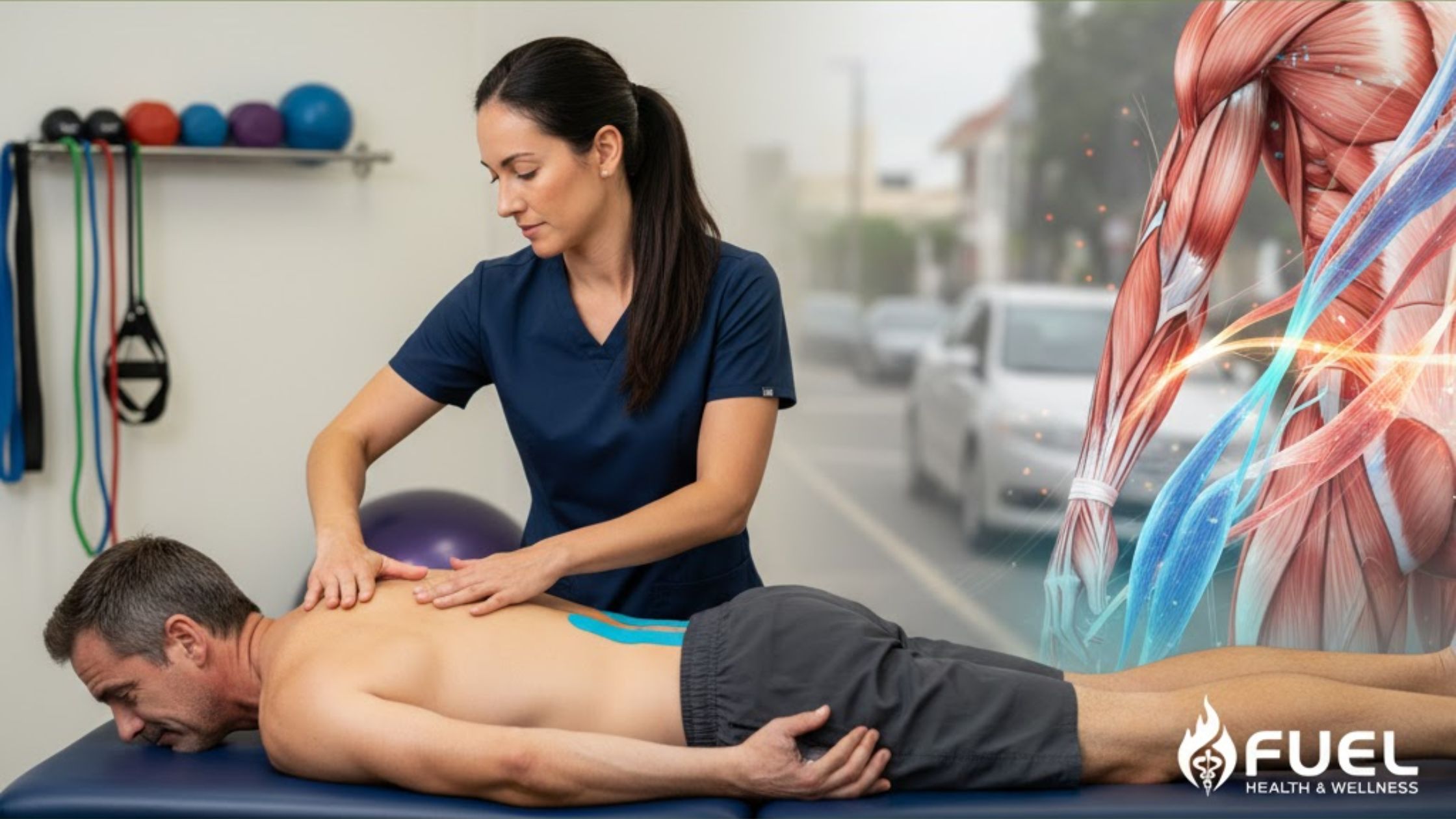
Our physical therapy approach treats lumbar and thoracic strains by combining gentle manual techniques, specific therapeutic exercises, and carefully graded activity to reduce your pain and restore spinal mobility. Our clinicians use soft tissue mobilization to ease muscle guarding, joint mobilizations to improve segmental motion, and progressive core and hip strengthening to support healthy spinal mechanics. Your treatment will emphasize gradual loading and activity modification, with personalized home exercise programs to reinforce your gains and prevent re-injury. Our effective management focuses on safely returning you to full function and minimizing the risk of chronic issues through consistent, measurable progress.
Addressing these mechanical and soft-tissue problems helps prevent long-term consequences, which is an important consideration after an acute injury.
Evidence-Based Physical Therapy for Whiplash-Associated Disorders
Based on the degrees of evidence and the practical obstacles, the following treatments can be recommended: Early physical activity in acute WAD, radiofrequency neurotomy, combination of cognitive behavioral therapy with physical therapy interventions, and coordination exercise therapy in chronic WAD. High-quality RCTs are not common in the field of WAD. More research is needed, particularly on the treatment of chronic WAD. A review of treatment interventions in whiplash-associated disorders, R Gunnarsson, 2004
What are the long-term effects of untreated car accident injuries?
Leaving car accident injuries untreated or delaying their management significantly increases your risk of developing chronic pain syndromes, persistent limitations in your range of motion, and activity restrictions that can impact your work and overall quality of life. Over time, unresolved muscle imbalances and altered movement patterns can lead to secondary joint degeneration, compensatory overuse injuries, and reduced physical fitness, making recovery more challenging. Emotional and social consequences—such as disrupted sleep, anxiety around movement, and reduced participation in activities you enjoy—can also emerge when pain lingers. Our early rehabilitation aims to interrupt this progression, restoring your function and preventing the cascade of chronic disability that would require more intensive intervention later.
These long-term risks highlight why early, evidence-based intervention is crucial for a faster recovery and lower overall healthcare costs.
Why Is Early Physical Therapy So Important for Auto Injury Rehabilitation in Grand Rapids?

Early physical therapy means starting your assessment and appropriate interventions as soon as you’re medically cleared, often within days to a few weeks after a non-emergent collision. This proactive approach reduces pain, preserves your movement, and prevents the development of unhelpful movement patterns. Early care targets the very mechanisms that lead to chronic issues—like muscle guarding, joint stiffness, and disuse—ensuring that your healing progresses with safe, gradual loading rather than prolonged immobilization. Clinical evidence and practice guidelines consistently show that timely rehabilitation significantly lowers the likelihood of persistent pain and speeds your return to activity and work. For both patients and insurers, early documentation of treatment and functional goals also supports seamless continuity of care and transparent decision-making across all providers.
Starting early brings measurable benefits and clearer milestones, as outlined below:
- Reduced risk of chronic pain: Early intervention helps stop acute symptoms from becoming chronic.
- Faster functional recovery: Prompt movement and strengthening shorten your time to return to work or daily tasks.
- Lower overall healthcare utilization: Timely physical therapy can reduce the need for more invasive treatments down the road.
Early intervention lays the foundation for a structured rehabilitation plan that evolves from pain control to full functional restoration, guiding your next steps, such as when to begin formal therapeutic exercise.
How soon should I start physical therapy after a car accident?
You should begin physical therapy as soon as your treating physician gives clearance and there are no acute contraindications, which is often within days for non-emergent soft-tissue injuries. The exact timing depends on the severity of your injury, the presence of fractures or spinal instability, and your symptom progression. Our clinicians carefully triage your care, ensuring urgent concerns receive immediate medical attention while most soft-tissue and whiplash conditions benefit greatly from early evaluation. Your initial visits will focus on pain control, movement assessment, and documenting any functional limitations that will guide your subsequent sessions. Prompt initiation often shortens your total treatment time and significantly enhances your measurable recovery.
A clear timeline for starting care also helps you understand the tangible benefits of early rehabilitation and how it shapes your treatment goals.
What benefits does early intervention offer for a faster recovery?
Early intervention provides rapid symptom relief through active pain-management strategies, prevents the progressive loss of your range of motion, and preserves the strength and endurance you need for daily tasks and employment. By addressing unhelpful motor patterns early, neuromuscular re-education becomes more effective, reducing your risk of compensatory injuries. Early physical therapy also allows for objective baseline measurements—like pain scales, range-of-motion, and strength tests—that track your improvement and support insurance documentation. Overall, these advantages translate into a faster return to your activities, fewer referrals for invasive procedures, and improved long-term function.
Because early care focuses on multiple aspects simultaneously, the next section explores the specific treatments we typically use during auto-injury rehabilitation.
What Physical Therapy Treatments Are Most Effective for Car Accident Recovery?
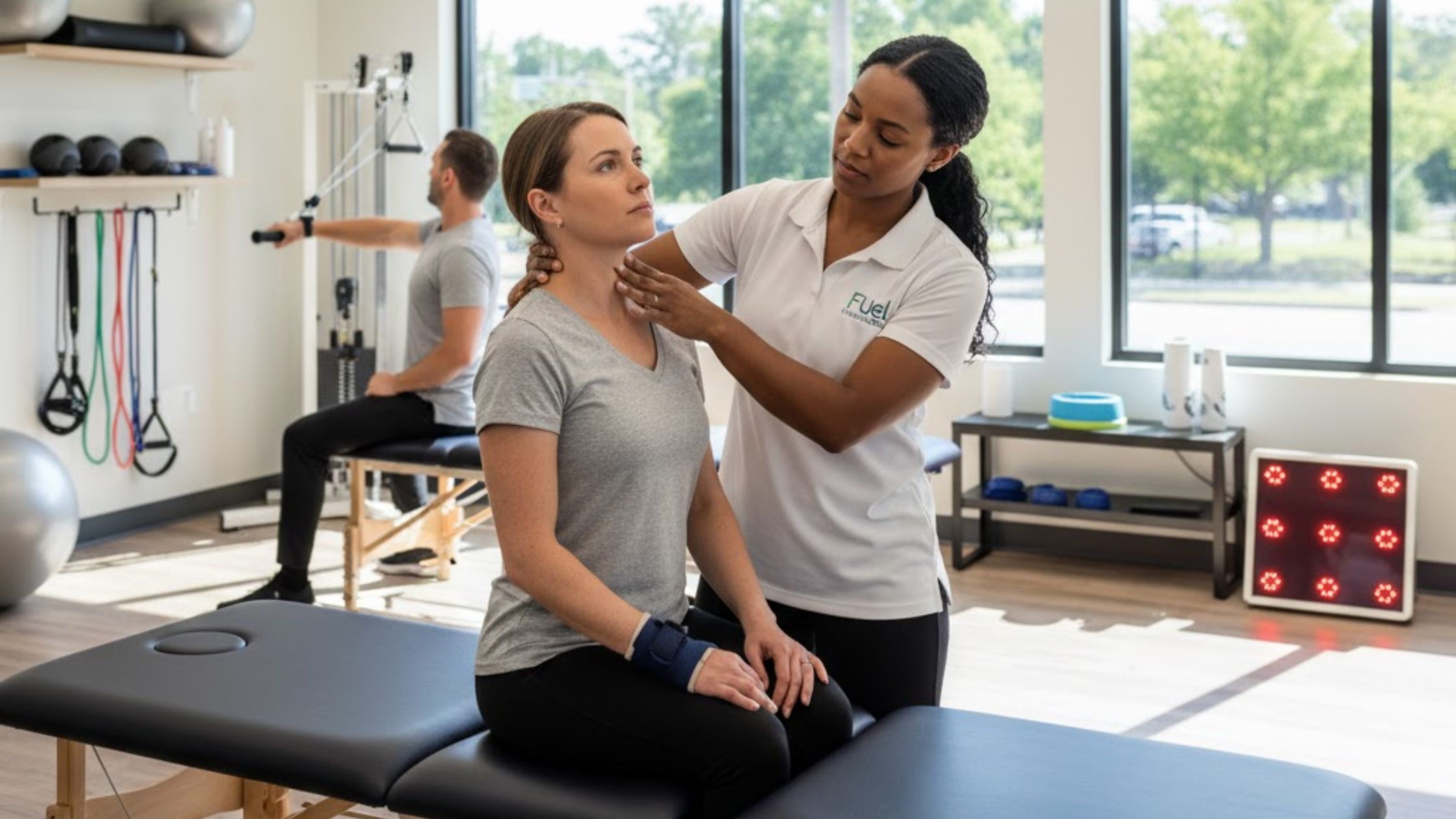
Effective physical therapy at Fuel Health & Wellness utilizes a thoughtful blend of manual therapy, therapeutic exercise, advanced pain-modulation techniques (including dry needling and red light therapy), and neuromuscular re-education to address the full spectrum of post-accident challenges. Each modality targets different aspects of your healing: manual therapy gently restores joint and soft-tissue mobility, exercise rebuilds your strength and endurance, dry needling helps release myofascial trigger-point pain, red light therapy supports tissue recovery, and neuromuscular training restores coordinated movement. Combining these approaches in a staged, individualized plan consistently produces better outcomes than single-modality care because it treats both your symptoms and any underlying movement dysfunction. Below is a concise comparison to help you understand our interventions.
This table compares common modalities by how they work, typical indications, short-term benefits, and usual session frequency.
| Modality | Mechanism | Indications | Typical Session Frequency |
|---|---|---|---|
| Manual Therapy (joint/soft tissue) | Restores mobility, eases muscle tension | Joint stiffness, muscle guarding, limited range of motion | 1–3×/week initially |
| Therapeutic Exercise | Progressive loading and motor retraining | Strength loss, poor endurance, movement dysfunction | 2–4×/week + home program |
| Dry Needling | Trigger-point release, pain modulation | Myofascial pain, localized muscle tightness | 1–2×/week as adjunct |
| Red Light Therapy | Photobiomodulation to reduce inflammation | Soft tissue healing, acute inflammation support | 2–3×/week as adjunct |
| Neuromuscular Re-education | Proprioceptive and motor control training | Balance deficits, gait or coordination changes | 1–3×/week + practice |
This comparison illustrates why our integrated plans, which combine various modalities, often lead to more complete recovery than single approaches, and it sets the stage for how each technique is used in practice.
When delivering these treatments, our clinics seamlessly integrate complementary services to support your holistic recovery. Fuel Health & Wellness in Grand Rapids and Grandville is dedicated to a holistic, individualized approach that pairs evidence-based physical therapy with services like assisted stretching, red light therapy, and massage. This helps us address root causes and promote your long-term wellness. Our clinicians expertly coordinate manual techniques and therapeutic exercise with adjunct modalities when appropriate, always emphasizing compassionate, patient-centered care to support your measurable functional goals.
How does manual therapy help relieve pain and improve mobility?
Manual therapy encompasses gentle joint mobilizations and soft tissue techniques that work to reduce pain and restore normal joint movement and muscle length, facilitating improved overall movement. These hands-on interventions decrease protective muscle guarding, enhance circulation to injured tissues, and create immediate gains in your range of motion that our therapists build upon with exercise. Manual therapy is most effective when combined with active interventions that reinforce new movement patterns, preventing short-lived improvements from reverting. Our clinicians typically pair manual techniques with a personalized home exercise plan and progressive loading to sustain your functional gains.
These hands-on improvements lead directly into exercise-based strategies that consolidate mobility into functional strength and endurance.
What role do therapeutic exercises play in restoring function after auto injuries?
Therapeutic exercise at Fuel Health & Wellness progresses from gentle range-of-motion and motor control work to targeted strength, endurance, and functional movement training, all carefully tailored to your unique goals. Neck protocols emphasize deep cervical flexor control and scapular stability, while lumbar programs prioritize core and hip strengthening alongside a gradual return to activity tasks. Adherence to your home exercise program and consistent, gradual progression are essential for lasting outcomes, with our therapists setting measurable milestones that reflect your real-world function. Exercises also help retrain breathing and postural control, reducing symptom recurrence and enhancing your tolerance for work and daily activities.
Building strength and control through exercise empowers you for return-to-work tasks and recreational pursuits, often supported by our adjunct pain-management modalities.
How do pain management techniques like dry needling and red light therapy aid recovery?
Dry needling precisely targets myofascial trigger points to reduce local muscle tension and interrupt pain cycles, leading to rapid reductions in focal tenderness and improved range of motion. Red light therapy—also known as photobiomodulation—uses specific wavelengths of light to reduce inflammation and support cellular repair in soft tissues, which can accelerate your recovery when combined with active loading. Both modalities serve as powerful adjuncts to your active rehabilitation: they help reduce barriers to movement so that you can engage more effectively in exercise and motor retraining. Our typical treatment plans incorporate these techniques a few times per week as indicated by your symptoms and response.
Adjunctive pain control facilitates neuromuscular recovery, which is the explicit aim of our next modality.
What is neuromuscular re-education and how does it support healing?
Neuromuscular re-education is about retraining your body’s proprioception, balance, and coordinated muscle activation, which can be disrupted after trauma. This helps restore efficient movement patterns and prevents compensatory strategies. Our techniques include balance training, targeted gait drills, sensorimotor tasks, and task-specific simulations that replicate your job or sport demands. Your progress is objective and measurable, using functional tests and movement analysis to guide your advancement toward your return-to-activity goals. Restoring coordinated motor control reduces your risk of re-injury and improves your performance, making neuromuscular training a core component of our comprehensive auto-injury rehabilitation.
By thoughtfully sequencing manual and adjunctive therapies with active re-training, you regain not just relief, but reliable function for your daily and occupational demands.
What Can You Expect During Your Physical Therapy Journey After a Car Accident in Grand Rapids?
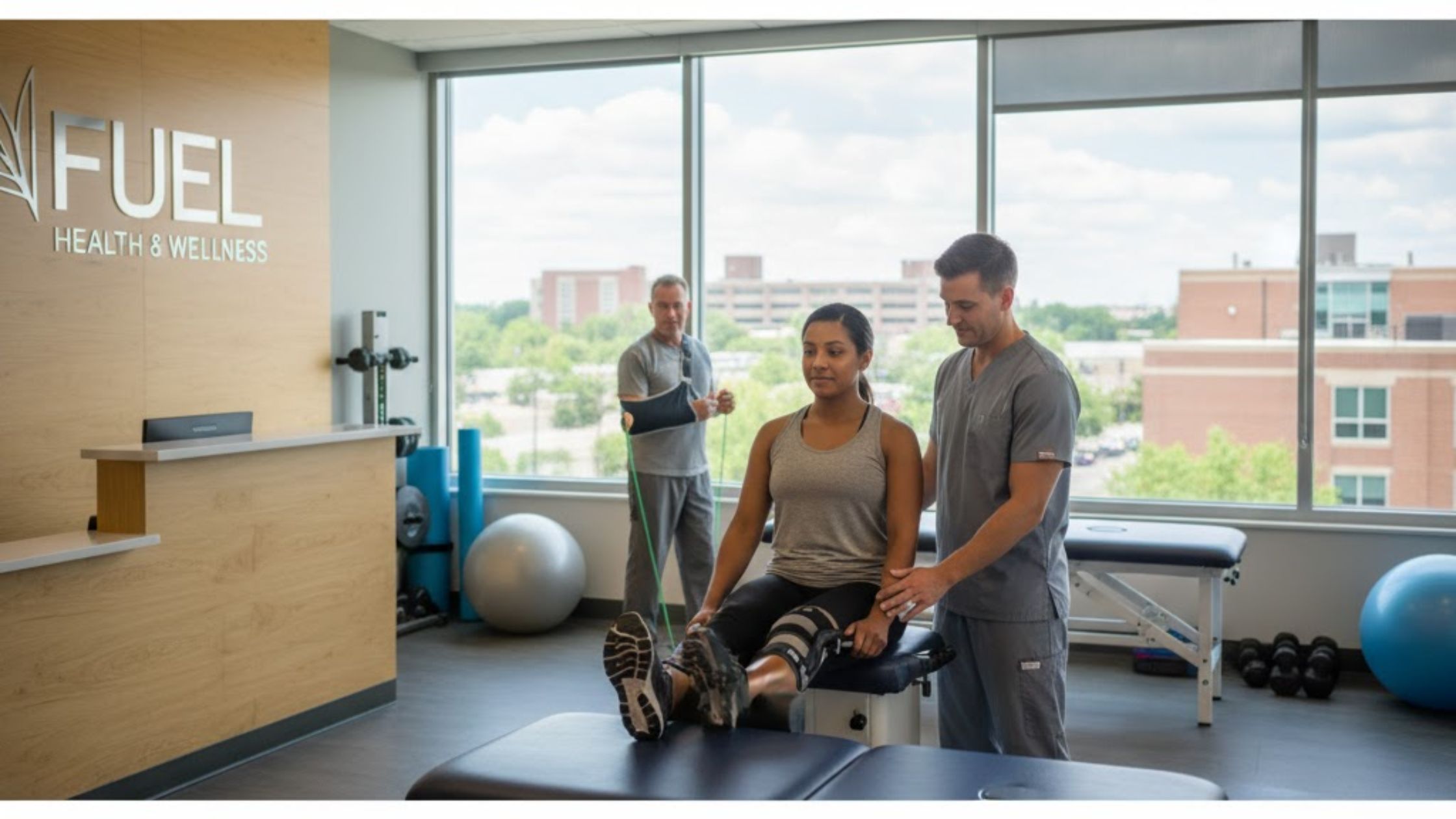
Your physical therapy journey after an auto injury at Fuel Health & Wellness typically follows a clear, supportive sequence: a detailed assessment, targeted acute management, progressive restoration of function, and prevention-focused maintenance. Your initial visits will focus on understanding your history, reviewing the mechanism of your injury, establishing objective outcome measures, and gathering the necessary documentation for insurance or legal purposes. Subsequent phases will apply stage-appropriate interventions that gently guide you from pain control to strengthening, neuromuscular re-education, and task-specific conditioning. Patient education and a structured home program are woven throughout your journey, ensuring that the gains you achieve in our clinic translate into real-world improvement and long-term wellness.
You’ll commonly see staged milestones during your rehabilitation, summarized below:
- Initial assessment and baseline measures: We establish your diagnosis and document your current function.
- Acute management: Our focus is on pain relief and safely initiating movement.
- Restoration phase: Progressive strengthening, mobility, and neuromuscular training.
- Return-to-activity and prevention: Simulated tasks, ergonomic guidance, and maintenance plans.
What happens during the initial physical therapy consultation and assessment?
Your initial consultation will involve gathering a focused injury history, documenting the collision mechanism, mapping your pain and functional limitations, and performing objective tests such as range-of-motion, strength, and balance measures. Our therapists use validated outcome tools to capture your baseline status for tracking improvement and to create records useful for insurance documentation. This visit also covers your activity goals and any work- or sport-specific demands, enabling us to make shared decisions in setting your goals. You’ll receive immediate self-management strategies and a clear plan for the frequency and expected milestones of your care.
Clear baseline documentation from your first visit supports both your clinical progress and any administrative follow-up required by insurers or legal teams.
How are personalized treatment plans developed for auto injury recovery?
Your personalized plan begins with measurable goals that truly reflect your priorities—whether it’s returning to work, driving, caregiving, or your favorite sport—and incorporates our clinical findings, such as tissue irritability, strength deficits, and movement impairments. Our therapists carefully select modalities and exercise progressions that match your injury stage, adjusting intensity based on your pain response and objective gains. We arrange interdisciplinary referrals when imaging, specialist input, or medical management is indicated, ensuring truly coordinated care. Regular reassessments guide the modification of your plan until your functional goals are beautifully achieved.
This individualized strategy ensures that your treatment is goal-directed, evidence-based, and responsive to your unique recovery pace.
What are the typical phases of physical therapy treatment after a car accident?
Rehabilitation commonly progresses through acute (pain control and protection), subacute/rehab (mobility and strength restoration), and return-to-activity/maintenance (task integration and prevention) phases. The acute phase prioritizes safe movement, pain modulation, and education to help you avoid harmful behaviors; the subacute phase intensifies strengthening and motor control tasks; and the return phase focuses on building your tolerance for specific job or sport demands and strategies to prevent recurrence. Timelines vary by injury severity, your age, baseline fitness, and adherence to the program. Your progress is measured against functional milestones to determine your readiness for each successive phase.
Our organized phases help both you and our clinicians set realistic expectations and track meaningful recovery markers.
How does patient education empower self-management and long-term wellness?
Patient education empowers you by teaching pacing, ergonomic adjustments, safe movement strategies, and consistent home exercise adherence that reduces recurrence and improves your independence after discharge. Empowered patients learn to monitor symptoms, modify activities sensibly, and apply self-management tools for flare-ups, which decreases reliance on passive treatments. Education also addresses crucial aspects like sleep, stress management, and gradual return-to-activity planning that support your broader wellness. When combined with a clear home program and follow-up checkpoints, education promotes sustained function and long-term prevention of future injury.
Consistent education ensures that your therapeutic gains seamlessly translate into daily routines that protect your musculoskeletal health and resilience.
How Does Michigan No-Fault Insurance Support Physical Therapy for Car Accident Injuries?

Michigan’s no-fault insurance (Personal Injury Protection, or PIP) typically covers medically necessary treatment related to a motor vehicle crash, including physical therapy services, when they are reasonable and necessary for your recovery. Filing appropriate documentation and maintaining clear clinical records substantiates your care and supports ongoing authorization when required. We encourage you to confirm policy specifics with your insurer and keep copies of medical reports, treatment plans, and functional assessments. Our clinics are here to help by preparing clinical notes and billing documentation that align with insurer requirements, smoothing administrative processes so your care can stay focused on restoring your function.
Understanding coverage mechanics and maintaining organized records helps you avoid delays and keeps your rehabilitation focused on recovery rather than paperwork.
| Coverage Item | Who Pays / What’s Covered | Practical Notes / Your Actions |
|---|---|---|
| Medical treatment including PT | PIP generally covers reasonable and necessary PT | Provide insurer with initial medical records and keep treatment notes |
| Authorization and ongoing care | Insurer may require documentation of necessity | Request clinical reports after key milestones to support continued care |
| Billing and claims processing | Clinic submits claims to insurer on patient’s behalf | Share claim number and insurer details at intake to expedite filing |
What coverage does Michigan no-fault insurance provide for physical therapy?
PIP typically covers medically necessary physical therapy related to injuries from an auto accident, subject to your insurer’s definitions of reasonable and necessary care and any policy limits or requirements for documentation. We advise you to confirm individual policy details because coverage and administrative processes can vary by carrier and by specific claim circumstances. Our therapists meticulously document objective measures and progress notes to justify continued physical therapy, clearly linking interventions to your functional improvement. Transparent communication with your insurer and your rehabilitation provider reduces the risk of interrupted care.
How does Fuel Health & Wellness assist with insurance billing and documentation?
Fuel Health & Wellness proudly supports our patients by preparing thorough clinical documentation, submitting claims, and coordinating with insurers to streamline billing and authorization processes. This ensures your care can remain our primary focus. Our dedicated team assists new patients with intake procedures to collect necessary insurer and claim information, and our clinicians provide structured progress notes and functional reports to support ongoing coverage decisions. While we always advise you to verify specific policy terms, this administrative support reduces confusion and helps maintain continuity of your rehabilitation. Our clinic’s approach pairs practical insurance assistance with clinically driven care so you can truly focus on your recovery.
Why Choose Fuel Health & Wellness for Auto Injury Physical Therapy in Grand Rapids?
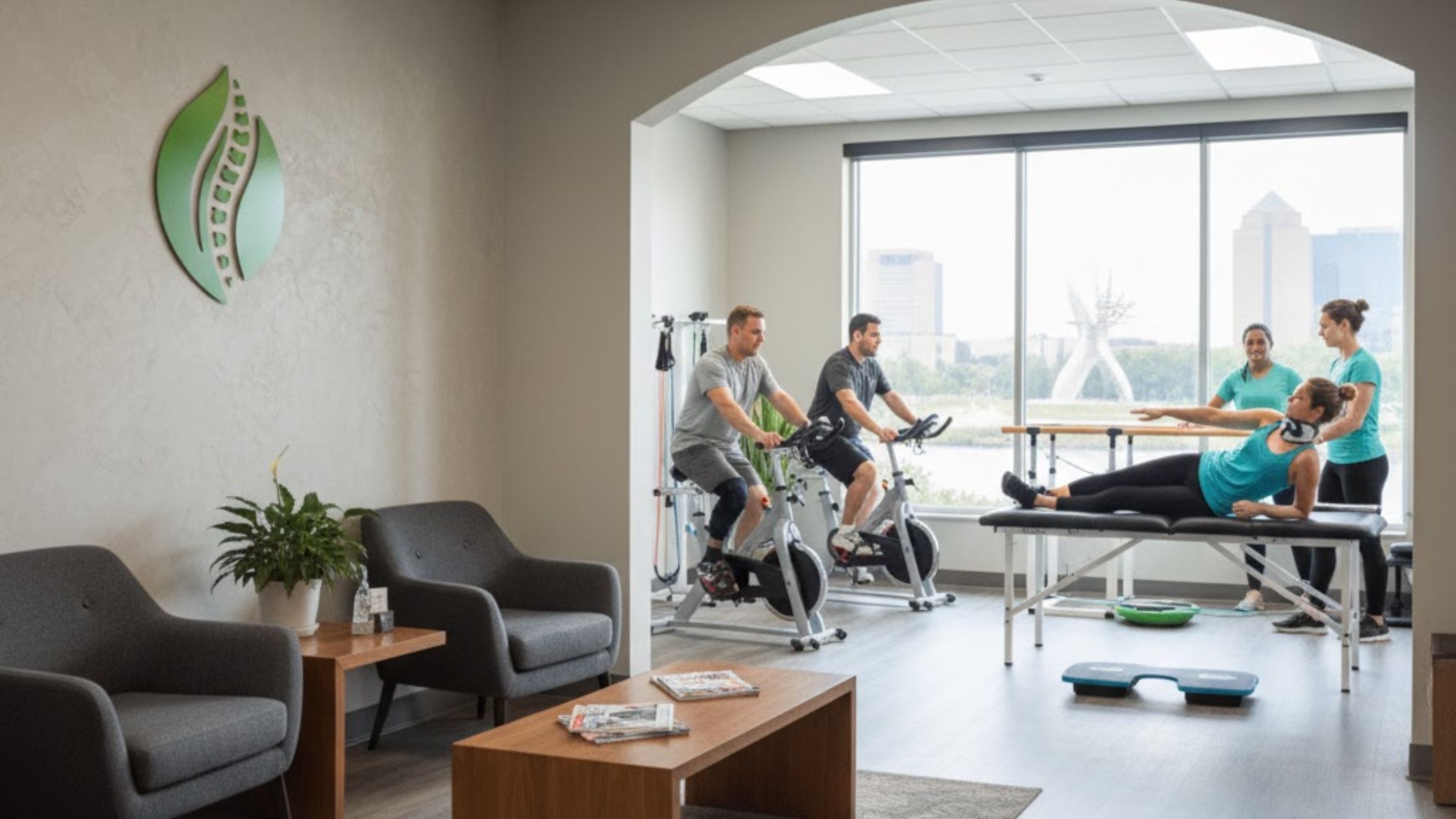
Fuel Health & Wellness stands as a holistic, patient-centered clinic in Grand Rapids (with an additional location in Grandville) that beautifully integrates physical therapy with complementary services. Our goal is to treat root causes and promote your long-term wellness. Our practice emphasizes individualized plans delivered by experienced clinicians who expertly combine manual therapy, therapeutic exercise, and adjunct modalities such as red light therapy, assisted stretching, and massage when clinically indicated. This integrated model aims to restore your function, reduce re-injury risk, and support your broader health goals, all while maintaining clear documentation for insurers. For individuals seeking compassionate, comprehensive rehabilitation after a collision, our clinic’s team offers coordinated care that focuses on measurable outcomes and your complete well-being.
Below are concise, anonymized examples illustrating our clinic’s outcomes and approach:
- A patient with acute whiplash fully regained cervical range-of-motion and successfully returned to desk work following a focused program of manual therapy, neck motor control training, and gradual ergonomic reintegration.
- An individual experiencing persistent low-back pain after a collision saw significant improvement in pain and functional tolerance, progressing from pain-limited movement to sustained work capacity through targeted strengthening, neuromuscular re-education, and adjunct soft-tissue therapies.
These anonymized summaries reflect our outcome-focused care and demonstrate how coordinated, goal-directed rehabilitation supports real-world recovery. Patients interested in scheduling can request a discovery visit to discuss personalized goals with our compassionate clinical team.
What expertise and certifications do Fuel Health & Wellness physical therapists have?
Fuel Health & Wellness’s clinician team includes experienced physical therapists and board-certified healthcare providers who specialize in orthopedics, sports performance, and integrative modalities, as referenced in local practice reports. Our clinicians apply contemporary, evidence-based approaches—such as manual therapy, motor-control exercise, and adjunct techniques like dry needling and photobiomodulation—within individualized plans tailored to each patient’s unique goals. Our clinic emphasizes ongoing competency and cross-discipline collaboration to ensure comprehensive care for complex auto-injury presentations. This deep expertise supports you through your full rehabilitation timeline, from acute symptom control to your confident return to activity.
How does the clinic’s holistic and individualized approach benefit recovery?
A holistic, individualized approach at Fuel Health & Wellness means our clinicians address not just the mechanical injury, but also contributing movement dysfunctions, lifestyle factors, and preventive strategies, rather than simply treating isolated symptoms. By integrating manual therapy, targeted exercise progressions, and complementary services like assisted stretching and red light therapy, our clinic seeks to resolve root causes and reduce the likelihood of recurrent problems. Personalized goal-setting ensures our interventions align perfectly with your work and life demands, significantly improving adherence and functional outcomes. This long-term focus on wellness promotes sustained recovery and reduces dependence on passive treatments alone, empowering you for lasting health.
What success stories and patient testimonials highlight treatment outcomes?
Our short, anonymized case summaries beautifully demonstrate outcomes such as restored function after whiplash and successful return-to-duty following combined manual and neuromuscular rehabilitation. These concise outcome statements highlight our clinic’s capacity to manage complex post-accident presentations by aligning interventions to clear, meaningful functional goals. For a fuller context and to hear patient perspectives, we encourage prospective patients to review available success stories and outcome reports provided by our clinic during a discovery visit. Seeing these outcome-focused examples helps set realistic expectations and illustrates typical recovery trajectories, showing you what’s possible.
These outcome-focused narratives reinforce our clinic’s practical orientation toward measurable improvement rather than vague promises, giving you confidence in your healing journey.
How Can You Schedule Physical Therapy for Car Accident Recovery at Fuel Health & Wellness?
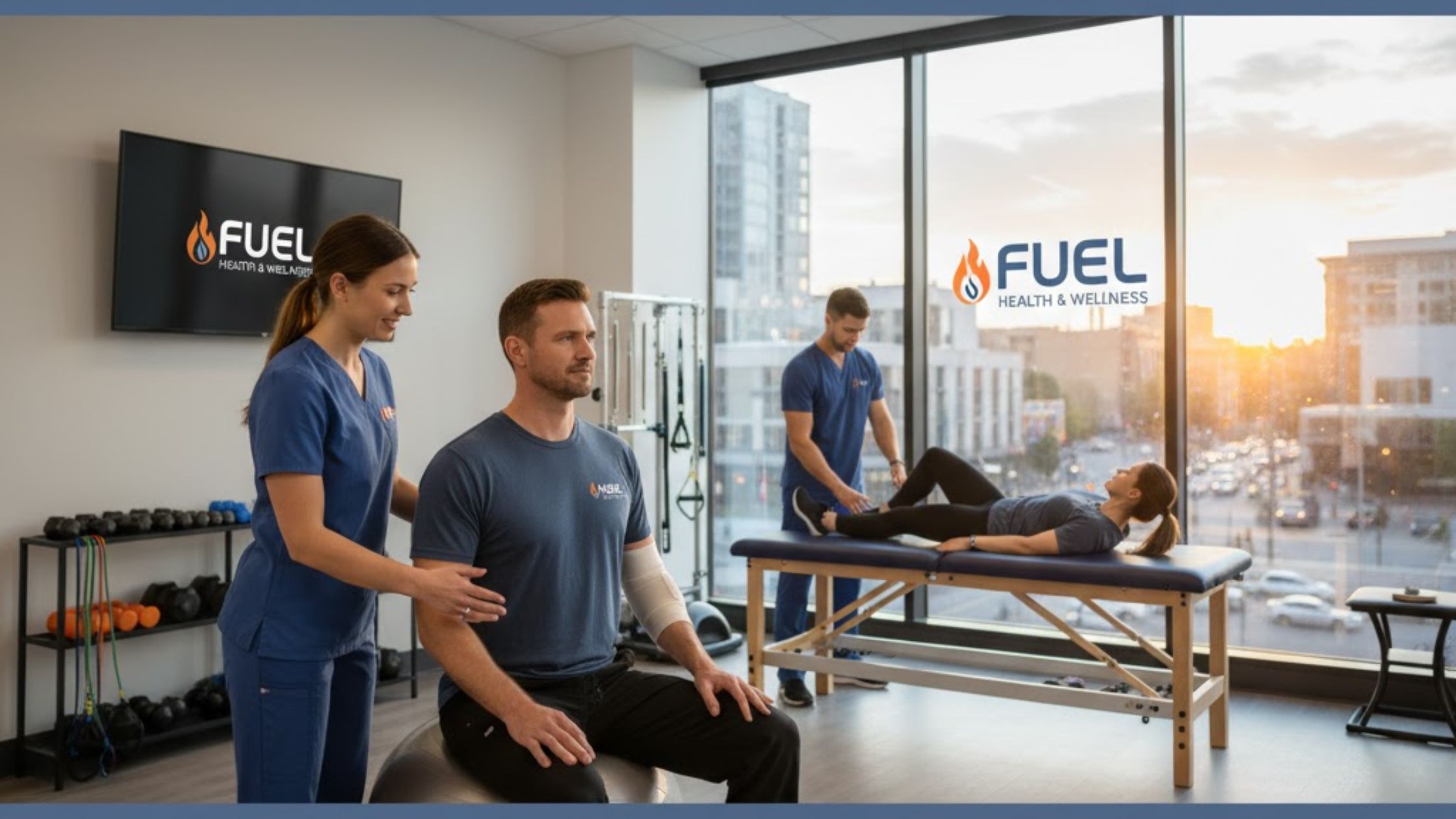
Scheduling your care begins with a discovery visit or consultation that assesses your injury, outlines a proposed treatment plan, and clarifies insurance and documentation needs. Fuel Health & Wellness provides straightforward onboarding to connect you with our appropriate clinicians. Preparing key information—such as medical records from the accident, insurer and claim details, and a brief account of your symptoms—speeds the intake process and allows our team to tailor your initial visit. Patients who seek early evaluation often benefit from faster symptom control and clearer rehabilitation goals. Below are practical steps and a checklist to make your first appointment efficient and productive.
The steps below outline how to arrange a discovery visit and prepare for your first appointment:
- Gather documentation: Bring any emergency or physician notes, imaging reports if available, and your insurer/claim information.
- Provide symptom summary: Prepare a concise description of your pain, limitations, and activity goals to share at intake.
- Schedule your discovery visit: Request an initial consultation to review your injury, baseline measures, and a proposed plan.
- Confirm administrative details: Share your insurer details at intake so our clinic can assist with billing and documentation.
Completing these steps streamlines your first visit and enables our clinical team to focus on your assessment and early intervention.
What is the process to book a discovery visit or consultation?
To book a discovery visit, you typically contact our clinic to describe your injury and provide insurer or claim information so our intake team can allocate appropriate time and clinician expertise. During scheduling, our clinic may advise what records to bring and how your initial visit will proceed—history, objective tests, and initial treatment plan. Your discovery visit will result in a written assessment and recommended frequency so you understand your next steps before committing to ongoing sessions. Early booking supports timely initiation of care and allows our staff to assist with any administrative coordination required for insurance claims.
Preparing records and a clear symptom timeline before your visit helps our clinical team deliver a focused and efficient assessment.
What should new patients know before their first appointment?
New patients should arrive wearing comfortable clothing suitable for movement testing and bring any medical records, a list of medications, and insurance or claim details to streamline documentation. Expect an initial interview about the crash mechanism and your current symptoms, followed by physical tests for range-of-motion, strength, balance, and functional tasks relevant to your daily life or work. Your therapist will discuss a proposed plan with measurable goals, expected session frequency, and self-management strategies to start immediately. Bringing clear insurer and claim information enables our clinic to assist with billing and documentation while your care focuses on measurable rehabilitation.
Being prepared for your first appointment reduces administrative delays and helps your clinician prioritize your clinical assessment and early treatment.
Occupational Therapy for Upper Limb Trauma After Car Accidents
The hand and the forearm are the main defensive organs and more than often they suffer serious traumatism in car accidents. Guiding these patients to rehabilitation areas is essential for the success of the process. The present case refers to a multiple trauma patient who suffered a car accident which had great impact on his upper left limb. The patient was treated at Hospital de São José, and later transferred for the Centro de Medicina e Reabilitação do Sul to start his rehabilitation. The complete description of the process in Occupational Therapy/Hand Therapy starts here, with the intention of evaluating the impact of this type of intervention on a multiple trauma patient, by assessing the evolution of the open wound, scar, edema, sensitiveness, joint range, muscular activation, limb functionality as well as Instrumental and Daily Life Activities. Reeducation of the Upper Limb: A Case Study of a Multiple Trauma Patient, Who Suffered a Car Accident, 2023
Frequently Asked Questions
What should I expect during my first physical therapy session after a car accident?
During your first physical therapy session, your compassionate therapist will conduct a comprehensive assessment. This includes taking your medical history, discussing the specifics of your car accident, and carefully evaluating your current symptoms. Expect to undergo gentle physical tests to assess your range of motion, strength, and balance. Your therapist will then develop a personalized treatment plan, thoughtfully tailored to your unique recovery goals, which may include effective pain management strategies and empowering exercises. This initial visit beautifully sets the foundation for your entire rehabilitation journey.
How can I prepare for my physical therapy appointments?
To prepare for your physical therapy appointments, we recommend wearing comfortable clothing that allows for easy movement. Please bring any relevant medical records, including imaging reports and a list of your current medications. It’s also incredibly helpful to prepare a summary of your symptoms, including your pain levels and any limitations you’re experiencing. This information will greatly assist your therapist in tailoring your treatment plan. Additionally, having your insurance details ready can streamline the administrative process, ensuring a smoother and more focused experience during your visits.
Are there any risks associated with starting physical therapy after a car accident?
While physical therapy is generally very safe and profoundly beneficial, there are some considerations, particularly if therapy begins too soon after an injury. It’s crucial to wait for medical clearance from your physician, especially if there are concerns about fractures or spinal instability. Starting therapy prematurely can potentially exacerbate injuries or lead to further complications. However, once you are medically cleared, our physical therapy is thoughtfully designed to minimize risks and promote healing through guided, evidence-based interventions that prioritize your well-being.
How long does physical therapy typically last after a car accident?
The duration of physical therapy after a car accident varies based on the severity of your injuries and your individual recovery rate. Most patients may attend therapy sessions for several weeks to a few months, with frequency typically ranging from one to four times per week. Your dedicated therapist will regularly assess your progress and adjust your treatment plan accordingly. Our ultimate goal is to ensure you regain full function and minimize the risk of chronic pain or disability, empowering you for lasting health.
What role does patient education play in physical therapy recovery?
Patient education is a vital and empowering component of your physical therapy recovery. It helps you understand your injuries, the rehabilitation process, and effective self-management strategies. By learning about pacing, safe movement techniques, and consistent home exercise adherence, you can actively and confidently participate in your own recovery. Education also addresses important lifestyle factors that may affect healing, such as stress management and ergonomic adjustments, ultimately promoting long-term wellness and reducing the likelihood of future injuries. We believe in empowering you with knowledge for a healthier future.
Can physical therapy help with emotional recovery after a car accident?
Yes, physical therapy can play a significant and supportive role in your emotional recovery after a car accident. The process of rehabilitation often involves addressing not only your physical injuries but also the psychological impacts of trauma. Our therapists may incorporate strategies to help you manage anxiety, stress, and fear related to movement or returning to your daily activities. By fostering a supportive and empathetic environment and encouraging open communication, our physical therapists can help you regain confidence and significantly improve your overall emotional well-being throughout your recovery journey.
Your Journey to Healing Starts Here
Physical therapy plays a truly crucial role in your recovery process after a car accident, offering targeted interventions that restore your mobility, reduce pain, and enhance your overall function. By addressing common injuries such as whiplash and back pain early, you can significantly lower your risk of chronic issues and expedite your return to the activities you love. Choosing a holistic clinic like Fuel Health & Wellness ensures personalized care that beautifully integrates various therapeutic modalities for your optimal recovery. Take the first empowering step towards healing by scheduling your discovery visit today!