

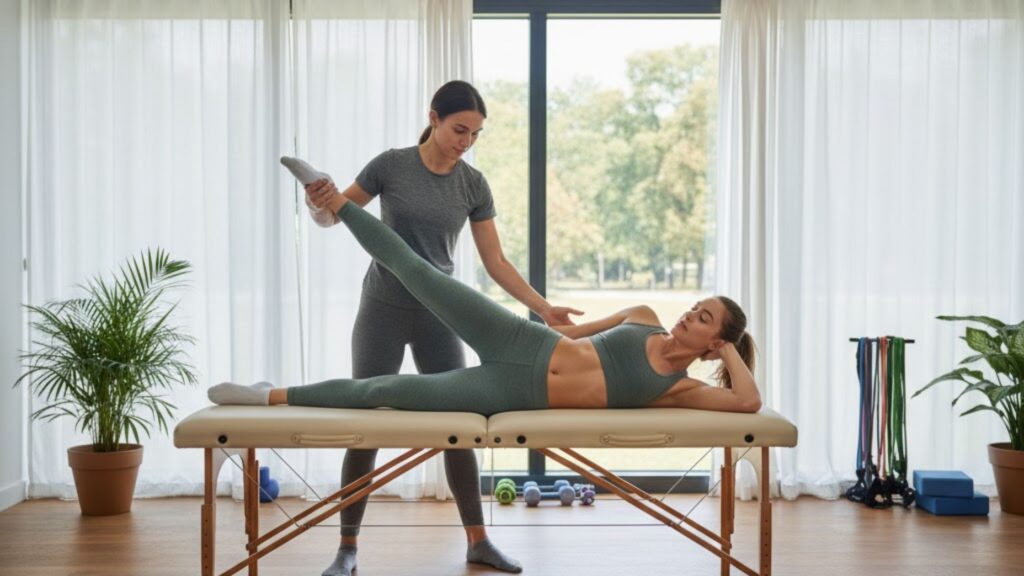
Do you spend your days hunched over a screen, feeling the insidious creep of “tech neck” or the persistent ache in your lower back? You are not alone. In our modern, often sedentary world, maintaining optimal posture and a strong core has become a daily battle against gravity and habit. We often seek relief in quick fixes, but the root cause of poor alignment usually lies deep within restricted muscles and inhibited movements. This is where the profound benefits of Assisted Stretch Therapy emerge as a game-changer. It’s not just about temporary relief; it’s about remodeling your body’s operating system for long-term functional health.
This powerful, hands-on approach goes far beyond what you can achieve with solo stretching. By working with a trained specialist, you can safely access ranges of motion that were previously locked away by tension and deep-seated muscular guarding. The goal is to systematically dismantle the physical barriers preventing your body from holding itself upright and stable. Over the course of this extensive guide, we will explore the precise anatomical mechanisms, the sophisticated techniques involved, and the lasting impact that targeted, expert-led stretching can have on your spine, your core, and your overall quality of life.
Does Assisted Stretching Directly Improve Core Strength and Stability?
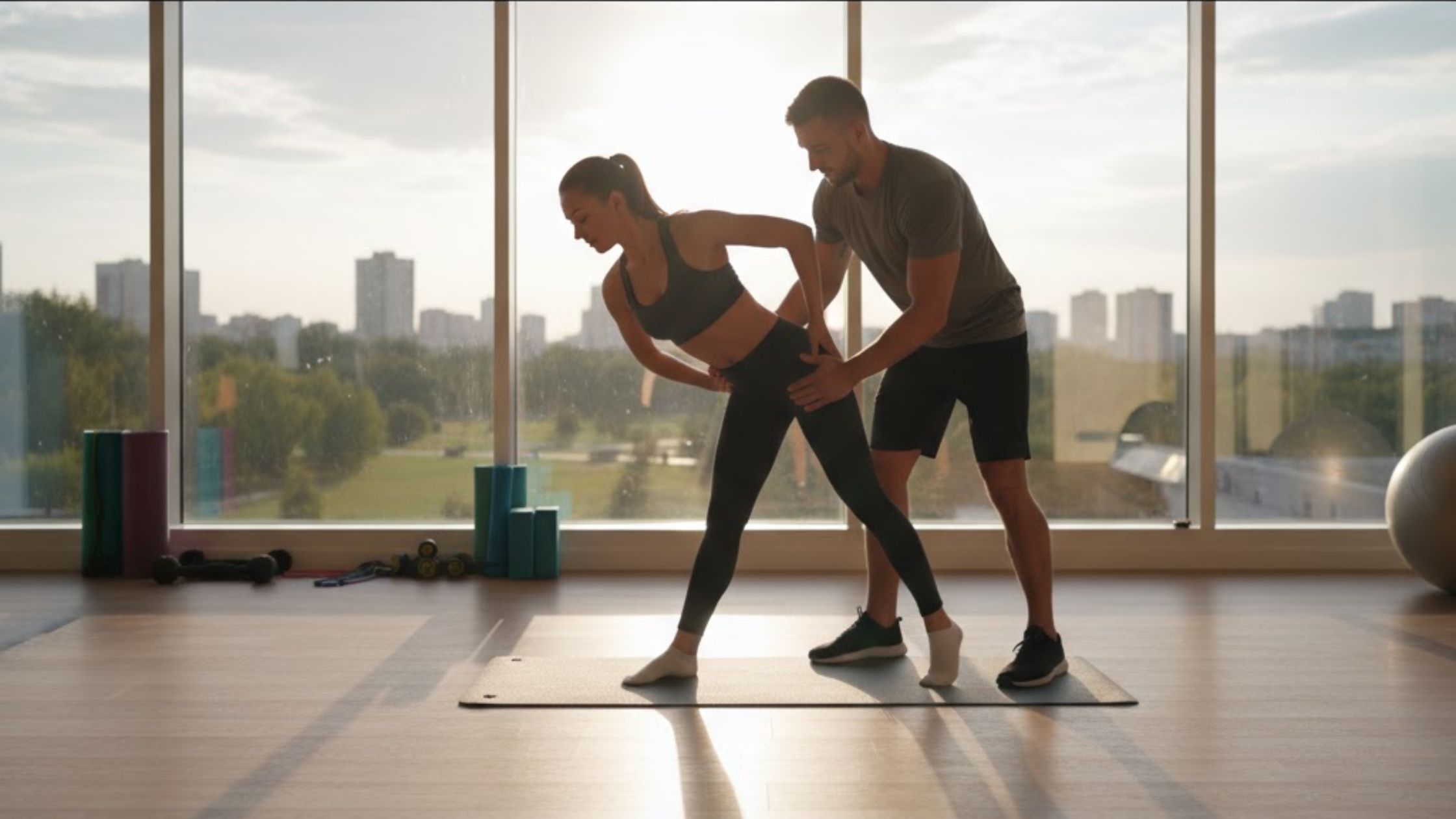
This is perhaps the most frequently asked question concerning the value of advanced stretching techniques. The answer is a resounding “yes,” but the mechanism is often misunderstood. It’s not that Assisted Stretch Therapy builds muscle mass like lifting weights; rather, it removes the neurological and mechanical restrictions that prevent your existing core muscles from activating properly. Tight surrounding muscles—like the hip flexors, hamstrings, and lats—can mechanically pull the pelvis and spine out of alignment, effectively deactivating the deep stabilizing core.
When a specialist performs deep, controlled stretches, they release the tension in these antagonistic muscle groups. This release restores the pelvis and spine to a more neutral position, allowing the core musculature (such as the transversus abdominis and multifidus) to engage without resistance. Think of it as unbinding the outer layers so the inner framework can finally do its job. A foundational part of any comprehensive posture correction therapy is ensuring the stability muscles are not fighting against rigid, short movement pathways.
The Role of Fascia and Connective Tissue
The influence of fascia on posture cannot be overstated. Fascia is the body’s three-dimensional web of connective tissue that wraps around every muscle, organ, bone, and nerve. When you experience chronic poor posture, this fascial network can shorten, thicken, and harden, essentially locking your body into the misaligned position. This process, often referred to as fascial restriction, limits mobility and contributes to chronic tightness that self-stretching simply cannot penetrate.
Assisted stretching techniques are highly effective at addressing these fascial restrictions. The specialist applies sustained, intelligent tension that encourages the release of trigger points and hydrates the fascial layers. By restoring the sliding and gliding capacity of these tissues, the entire body can move more freely. This deep structural change is fundamental to achieving lasting improvements in spinal column alignment and movement patterns.
Muscle Imbalances and Postural Deviation
Most postural issues stem from inherent muscle imbalances, where one group of muscles becomes tight and dominant while its opposing group becomes weak and overstretched. For instance, the common “slouch” (upper crossed syndrome) involves tight chest muscles (pectorals) and tight neck extensors, paired with weak upper back muscles (rhomboids and mid-traps) and deep neck flexors.
The beauty of targeted stretching lies in its ability to reset this neurological and mechanical imbalance. By specifically lengthening the tight and overactive muscles, the specialist reduces the inhibitory signals they send to the weak, reciprocal muscles. Once the tight muscles are quieted, the brain can more easily “find” and activate the weak muscles, paving the way for improved, balanced muscle recruitment. This creates a more energy-efficient and stable posture.
The Kinetic Chain Principle
The body operates as a kinetic chain, meaning a dysfunction or tightness in one area inevitably affects segments both above and below it. For example, rigid calf muscles can contribute to excessive pronation in the foot, which spirals up to cause rotation in the knee, tightness in the hip, and subsequently, compensatory twisting in the low back and neck. This domino effect illustrates why focusing solely on the area of pain rarely works for long-term postural relief.
Assisted stretching specialists understand this interconnectedness perfectly. They don’t just stretch the tight spot; they address the entire chain of tension that is contributing to the postural fault. By treating the feet, ankles, and hips, they indirectly improve the mobility of the thoracic spine and neck. This holistic, chain-based approach is crucial for achieving global alignment improvement and ensuring stability from the ground up.
Deconstructing Posture: The Three Pillars of Alignment

Good posture is often simplified as simply “standing up straight,” but it is a complex, dynamic state of balance maintained by coordinated muscle action. Effective posture correction must address three key structural pillars: the foundation, the central pillar, and the support structure. When these are balanced, the core can stabilize the spine effectively.
Neutral Spine Position and Pelvic Tilt
The Assisted Stretch Therapy process frequently starts at the pelvis because it serves as the bowl supporting the spine. An anterior pelvic tilt (pelvis tilted forward) is incredibly common, driven primarily by tight hip flexors (psoas) and weak glutes/hamstrings. This tilt forces the lower back into hyperlordosis (an exaggerated curve), which in turn compromises the core’s ability to engage fully.
By lengthening the hip flexors and surrounding muscles, assisted stretching helps restore the natural, neutral position of the pelvis. This realignment immediately reduces the stress on the lower back and creates the optimal leverage for the deep core stabilizers to function. When the specialist helps you unlock this range, you can immediately feel the spine settling into a more relaxed and sustainable vertical position. If you are struggling with chronic hip and low back tension, diving into the techniques of this practice is highly recommended by reading our deep dive on Assisted Stretch Therapy options.
The Importance of the Scapular Region
The upper back, or thoracic spine, is where the most common postural defects—like rounding (kyphosis) and forward-head posture—originate. The shoulder blades (scapulae) float on the rib cage, and their positioning is dictated by the balance between the muscles pulling them forward (pecs, serratus anterior) and the muscles pulling them back (rhomboids, traps).
Assisted stretching excels at releasing the chronically shortened chest muscles that pull the shoulders forward and inward. This targeted stretching frees up the front side of the body, allowing the postural muscles in the back to finally pull the shoulder blades into a retracted and depressed position. When the thoracic spine mobility is restored through this release, the entire carriage of the upper body improves, making it easier to breathe deeply and sit or stand taller.
Foot and Ankle Stability (The Ground Up)
It is easy to forget that posture begins at the ground. Your feet and ankles are the foundational contact points, and any overpronation (rolling inward) or excessive supination (rolling outward) translates up the kinetic chain. Tight calf muscles (gastrocnemius and soleus) are a major culprit, limiting ankle mobility and forcing compensatory movements higher up.
A skilled stretch specialist will often include stretches for the lower legs and feet to ensure a stable base. Releasing the deep fascia in the foot and lengthening the calves allows for proper ankle dorsiflexion. This seemingly minor change can stabilize the knees and hips, providing a solid platform that makes achieving true spinal stability significantly easier. By addressing these foundational issues, we enable the body to receive sensory feedback that dramatically improves balance and coordination.
How Assisted Stretch Therapy Directly Targets Core Stability
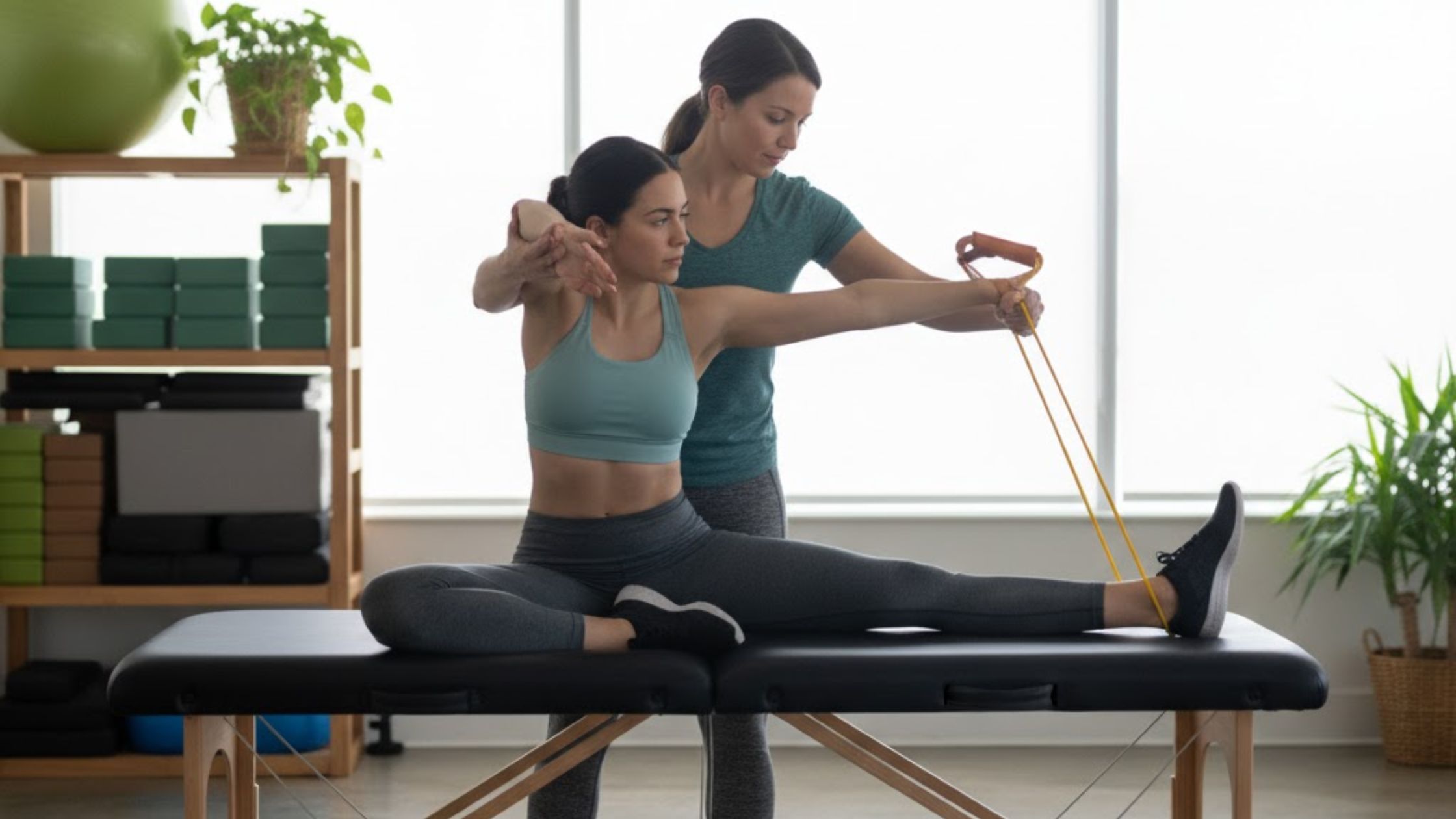
True core stability is not defined by visible “six-pack” abs; it is the ability of the deep intrinsic muscles to maintain the spine’s optimal alignment against external forces. The reason many people struggle to build core stability is not due to a lack of exercise, but due to surrounding tightness that inhibits the deep core’s function.
The therapy directly addresses this by creating a window of opportunity for the deep core to activate. When the tight external muscles—the ‘global movers’—are lengthened and relaxed through the specialist’s assistance, the ‘local stabilizers’ are given the chance to fire without being overridden. This is a critical functional shift that fundamentally changes how you carry yourself. This kind of functional reset is particularly beneficial for high-performance individuals, which is why we’ve detailed its power in our article on Assisted Stretching for Athletes and Active Lifestyles.
Activating Deep Core Muscles Through Release
The transversus abdominis (TA) is the body’s natural weightlifting belt, wrapping horizontally around the abdomen. It is the primary stabilizer of the lumbar spine. However, if your hip flexors are chronically tight, the pelvis tilts, and the TA is essentially stretched taut and disabled. No amount of crunches will fix this mechanical inhibition.
During an assisted stretch session, the therapist focuses on maximal lengthening of the psoas and rectus femoris. As these tight muscles relax, the pelvis shifts toward neutral. This neutral alignment allows the fibers of the transversus abdominis and multifidus to shorten and contract efficiently. The specialist can then use light cues during the stretch (such as breathwork or gentle resistance) to help the client feel this new, uninhibited activation pattern. This sensory training is vital for long-term core strength stretching.
Proprioceptive Neuromuscular Facilitation (PNF) Techniques
PNF is a core methodology within assisted stretching, and it is exceptionally effective for neurological reprogramming. PNF utilizes the body’s own reflexes—specifically the stretch reflex and the Golgi tendon organ (GTO) response—to achieve greater gains in flexibility than static stretching alone.
The process involves three steps: passive stretch, followed by the client lightly contracting the target muscle against resistance (the specialist’s hand), and finally, a deeper passive stretch into the new range of motion. This contract-relax technique essentially “tricks” the nervous system into overriding the stretch reflex, allowing the muscle to lengthen significantly. By reprogramming the muscle’s length tolerance in this manner, PNF locks in the postural improvements and deepens the body’s capacity for stability.
The Diaphragm and Breathwork in Stretching
The diaphragm is not just the primary breathing muscle; it is also a fundamental part of the deep core stabilization system. Chronic stress or poor posture (especially a kyphotic, rounded upper back) often results in shallow, chest-dominant breathing. This forces secondary breathing muscles, like the scalenes in the neck, to take over, leading to neck tension and further postural decline.
A skilled assisted stretching session will integrate specific breath cues, encouraging diaphragmatic breathing during the deepest stretches. This not only enhances the stretch by promoting relaxation but also trains the diaphragm to work synergistically with the transversus abdominis. By teaching the core to activate on the exhale and relax on the inhale, the stretch specialist helps establish an integrated stability pattern that supports the spine throughout every movement, every breath, and every day.
| Core Muscle Group | Primary Function | Postural Impact of Tightness/Weakness |
| Hip Flexors (Psoas) | Flexes hip, connects spine to legs. | Tightness causes anterior pelvic tilt and lower back arch (Lordosis). |
| Erector Spinae | Extends and rotates the spine. | Weakness causes slouching (Kyphosis); tightness causes rigidity and limited mobility. |
| Transversus Abdominis | Compresses abdomen, stabilizes lumbar spine. | Inhibition due to tight hip flexors compromises spinal stability. |
| Rhomboids & Mid-Traps | Retract and depress the scapulae. | Weakness causes rounded shoulders; improved range allows for proper activation. |
| Pectorals (Chest) | Adducts and flexes the shoulder. | Tightness pulls shoulders forward and contributes to forward head posture. |
The Anatomy of a Poor Posture and Common Causes
Poor posture is rarely a matter of simple laziness. It is usually an adaptive response by the body to repeated mechanical stress and muscular compensation. Understanding the anatomical chain of events that leads to misalignment is the first step toward effective posture correction therapy.
The ‘Tech Neck’ Epidemic (Forward Head Posture)
The pervasive use of smartphones, tablets, and desktop computers has created a distinct and damaging postural pattern known as forward head posture, or ‘tech neck.’ For every inch the head moves forward from its neutral alignment over the shoulders, the weight the neck muscles must support effectively increases by about ten pounds. This places incredible, unsustainable strain on the muscles, ligaments, and joints of the cervical and upper thoracic spine.
In response, the muscles at the back of the neck (suboccipitals and upper traps) become chronically tight and overworked, leading to frequent headaches and neck pain. Simultaneously, the deep front neck flexors weaken. Assisted stretching targets the tight posterior neck and upper back muscles to release the tension, allowing the head to naturally retract over the shoulders, thereby alleviating strain and promoting a more neutral cervical curve.
Desk-Bound Lifestyle and Hip Flexor Tightness
For many office workers, spending eight or more hours a day seated is unavoidable. In this position, the hip flexor muscles are held in a shortened, contracted state. Over time, these muscles adaptively shorten and become highly rigid. This tightness pulls the pelvis forward when standing or walking, perpetuating the anterior pelvic tilt we discussed earlier.
This chronic hip flexor tightness is a primary cause of lower back pain and dysfunction, as the psoas muscle attaches directly to the lumbar spine. Addressing this is crucial for anyone active, as the compromised hip mobility and core deactivation significantly increase the risk of injury. Runners, in particular, often overlook this issue, which is why we stress the importance of releasing these deep tissues in our guide on Injury Prevention for Runners with Stretch Therapy.
Stress, Tension, and Muscular Guarding
Beyond purely mechanical factors, psychological stress plays a massive role in maintaining poor posture. When we are stressed, the nervous system triggers a ‘fight or flight’ response, causing the body to naturally guard and tense up. This often manifests as shoulders elevated toward the ears, tightness across the upper back and neck, and shallow breathing.
Assisted stretching provides a powerful parasympathetic nervous system response. The deep, sustained holds and the hands-on care from the specialist signal safety to the brain. As the nervous system calms down, the chronic muscular guarding melts away, allowing for an immediate and profound relaxation that structural and functional improvements can then build upon. This integration of mind and body makes the results of assisted stretching far more lasting than purely passive approaches.
The Step-by-Step Process of Assisted Stretch Therapy for Posture
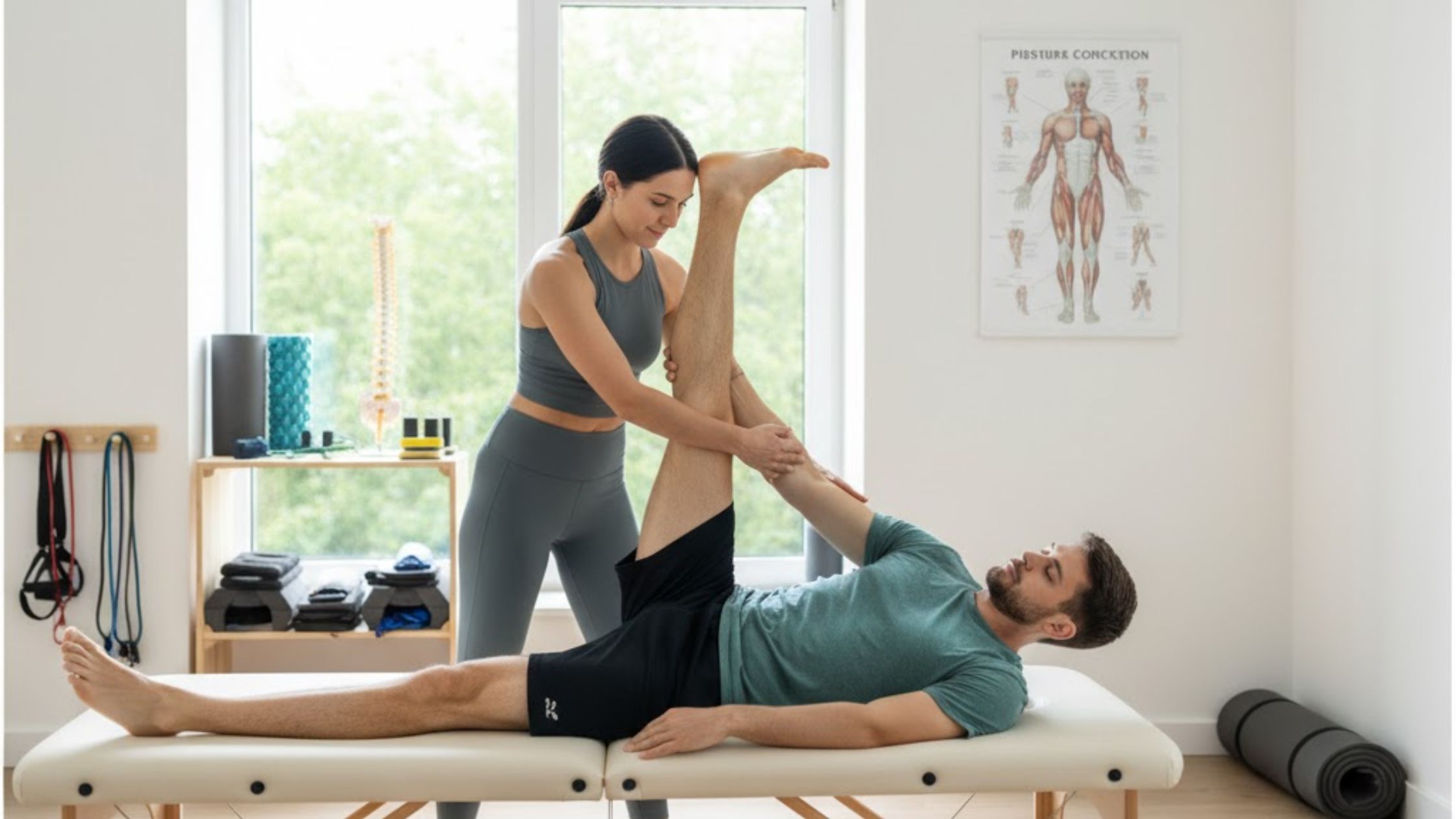
Achieving long-term postural improvement requires a strategic, personalized, and progressive approach. This therapy is a collaborative effort between the client and the specialist, moving through defined phases to diagnose the root cause and implement lasting change.
Initial Assessment and Biomechanical Analysis
Every effective session must begin with a comprehensive assessment. The stretch specialist will observe the client’s standing and sitting posture, analyzing for key deviations: forward head, rounded shoulders, excessive spinal curves, and pelvic tilt. They will also perform active and passive range of motion (ROM) tests for major joints—hips, shoulders, and spine—to pinpoint specific muscular limitations.
This analysis is critical because it identifies the primary drivers of the client’s unique postural fault. Two people might present with lower back pain, but one might be driven by tight hamstrings while the other is driven by rigid chest muscles. The assessment ensures that the subsequent stretching protocols are hyper-targeted to the individual’s needs, maximizing efficiency and results.
Personalized Session Planning
Based on the assessment findings, the specialist designs a customized stretching routine. This session plan prioritizes the most restricted areas that are exerting the greatest negative influence on posture and core function. The techniques employed—often a strategic mix of PNF, contract-relax, and active isolated stretching (AIS)—are chosen to achieve neurological reprogramming, not just temporary lengthening.
For a client with classic tech neck, the plan might heavily focus on deep chest opening stretches and psoas release to de-tilt the pelvis. For a client focused on increasing core stability for athletic performance, the emphasis may shift to terminal hip extension and thoracic spine rotation. To truly appreciate the technical depth behind these choices, we encourage you to read the detailed breakdown of different modalities in PNF Stretching vs. Traditional Assisted Stretch Therapy.
Post-Session Education and Homework
The work doesn’t stop when the session ends. A crucial component of assisted therapy is the education provided afterward. The specialist will often assign simple, corrective “homework” stretching or activation exercises that the client can perform daily. These exercises are specifically designed to reinforce the new range of motion achieved during the session and strengthen the newly awakened core muscles.
This commitment to follow-up is what transforms temporary flexibility into permanent postural change. The client learns to actively monitor their body, recognize when their posture is slipping, and perform micro-corrections throughout the day. This active participation empowers the client to take ownership of their body’s improved alignment and stability outside of the clinic.
Beyond Posture: Holistic Benefits of Enhanced Core Strength
While improved aesthetics and less pain are often the initial drivers for seeking help, the functional benefits of enhanced core stability ripple throughout the entire body, delivering surprising holistic improvements.
Improved Biomechanics and Movement Efficiency
When the core is stable and the surrounding muscles are supple, the body moves with greater efficiency and less compensatory strain. Every movement—from bending over to tie a shoe to performing a complex exercise like a squat or deadlift—becomes biomechanically cleaner. This reduction in unnecessary muscular effort means you expend less energy on basic tasks.
For active individuals, this translates directly to better athletic performance, as force transmission through a stable core is significantly more efficient. For everyone else, it means less fatigue at the end of the day. A relaxed, aligned body doesn’t have to fight itself to stay upright. The relaxation achieved from releasing chronic tension can also promote deeper rest, which is a key factor we explore in Better Sleep Benefits of Assisted Stretch Therapy.
Reduction of Chronic Back and Neck Pain
The single greatest benefit reported by individuals who commit to this therapy for postural improvement is the reduction, and often elimination, of chronic musculoskeletal pain. Most non-specific lower back pain is related to dysfunctional hip and core mechanics. By restoring a neutral pelvis, reducing spinal compression, and activating the deep stabilizers, assisted stretching addresses the root cause of the back pain cycle.
Similarly, headaches and neck stiffness that stem from forward head posture vanish when the tension in the upper traps and neck extensors is released. The relief comes not just from the temporary stretching, but from the body being neurologically retrained to hold itself in a position that does not compress nerves or overburden muscles. The specialists at Fuel Health & Wellness are experts at mapping these pain patterns back to specific muscular tightness.
Mental Clarity and Stress Reduction
The connection between the body and mind is undeniable. Chronic physical pain and poor posture are significant sources of stress. Furthermore, a hunched-over posture is chemically linked to feelings of low energy and anxiety. When the body is released from chronic tension, the flood of positive sensory feedback impacts cognitive function.
Clients often report feeling lighter, more energetic, and experiencing greater mental clarity after a session. The deep relaxation fostered by the specialized stretching techniques helps to reset the nervous system, leading to a profound reduction in background stress and anxiety. This physiological reset is integral to maintaining the new, open posture.
Addressing Specific Postural Conditions with Targeted Stretching
Specific postural faults require unique stretching protocols that focus on the particular muscular chains involved in the deviation. Assisted stretching provides the precision necessary to target these complex conditions safely and effectively.
Hyperlordosis (Excessive Lower Back Curve)
Hyperlordosis, often referred to as “swayback,” is a state of excessive inward curvature of the lumbar spine. As noted, this is almost always coupled with an anterior pelvic tilt. The key to correcting hyperlordosis is simultaneously lengthening the muscles pulling the pelvis forward and strengthening the muscles that tilt it backward.
The primary targets for the stretch specialist are the hip flexors (psoas, iliacus) and the lower back extensors (erector spinae). By achieving maximal, passive lengthening of these structures, the specialist reduces the force pulling the lumbar spine into extension. This allows the core muscles to pull the pelvis back into a neutral, stable position, easing pressure on the spinal discs and nerves.
Kyphosis (Upper Back Rounding)
Kyphosis, or pronounced rounding of the upper back, is a hallmark of poor modern posture and is characterized by a “closed-up” front side of the body. Correcting kyphosis requires aggressive opening of the chest and shoulders, coupled with specific deep tissue work along the spine to restore vertebral mobility.
The focus is placed squarely on stretching the pectoralis minor and major, the anterior deltoids, and the upper abdominal muscles, which can sometimes contribute to the forward slump. This opening is combined with gentle, assisted thoracic extension movements, encouraging the spine to move back into its healthy S-curve. For individuals experiencing pain associated with these conditions, exploring Safe Stretching Options for People with Chronic Pain is always a necessary first step toward relief and recovery.
Scoliosis Management and Support
Scoliosis, an abnormal lateral curvature of the spine, presents a unique challenge because it involves complex, three-dimensional rotation. Assisted stretch therapy can play a powerful supportive role by managing the chronic muscular imbalances and tension that develop around the curve. In scoliosis, muscles on the concave side of the curve become short and tight, while muscles on the convex side become long and strained.
The specialist focuses on carefully and safely lengthening the chronically tight muscles on the concave side. This can help alleviate pain, improve spinal flexibility, and prevent further rigidity and functional loss. It is a management tool that enhances spinal mobility and provides relief by systematically balancing the immense, asymmetric tension placed on the back musculature.
Why Professional Guidance is Key to Posture Correction
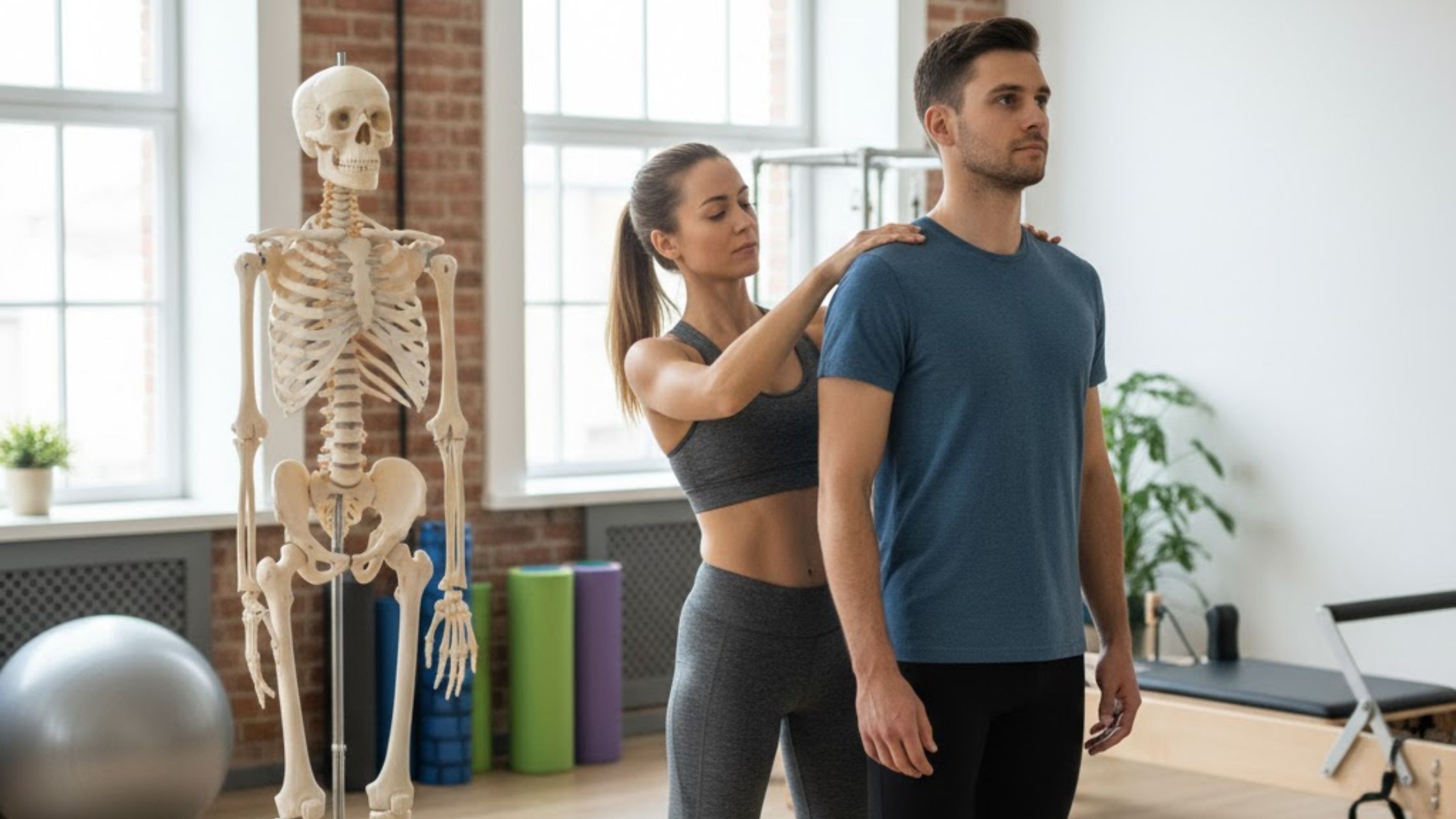
While self-stretching is beneficial, the difference between general flexibility and targeted, lasting postural change lies in professional expertise. A trained specialist provides mechanical assistance and anatomical knowledge that the average person simply cannot replicate.
Avoiding Compensatory Movements
One of the biggest pitfalls of self-stretching for postural issues is compensatory movement. When attempting to stretch a very tight muscle—like the psoas—the body naturally finds the path of least resistance. This often results in the movement coming from the lower back instead of the hip, which can strain the lumbar spine and defeat the purpose of the stretch.
A specialist physically stabilizes the client’s body, locking down all compensatory joints and ensuring that 100% of the force and tension is directed toward the intended target muscle. This precision ensures that the stretch is safe, maximally effective, and truly isolates the tissue restriction that is causing the postural fault. When you need this level of dedicated, expert attention, it’s worth taking the time to meet the team who will be guiding your progress.
The Role of a Certified Stretch Specialist
A certified specialist does more than just push and pull. They are trained in functional anatomy, biomechanics, and neurological response. They can read the subtle cues of your body, recognize when a muscle is guarding, and adjust the angle, intensity, and duration of the stretch in real-time. They understand the difference between increasing joint mobility and simply lengthening a muscle, knowing exactly which action is required to correct a specific postural fault.
Furthermore, they possess an external perspective that is impossible to gain on your own. They can see how the realignment of one muscle group (e.g., the hamstrings) immediately impacts the positioning of another (e.g., the pelvis and low back). This comprehensive, informed approach is foundational to the philosophy of Fuel Health & Wellness and ensures that your path to better posture is safe and efficient.
Making Assisted Stretch Therapy a Part of Your Wellness Routine
Integrating this therapy into a balanced wellness routine is the key to maintaining the results long-term. Posture and stability are not destinations; they are habits reinforced by consistent, intelligent movement and recovery.
Integrating Stretching with Strength Training
For many people, the focus is exclusively on strength training, often neglecting flexibility and mobility. This can lead to building strength on top of dysfunction, essentially creating a powerful, but rigid and misaligned, body. Core strength stretching should always precede or complement strength work.
By achieving greater muscle length and joint range of motion through assisted stretching, you allow your body to perform strength exercises in their full, anatomically correct range. This not only maximizes the effectiveness of the exercise but also dramatically lowers the risk of injury. A flexible body is a durable body, and a durable body is one that can consistently pursue peak performance.
Consistency and Long-Term Results
Like any form of physical therapy or training, consistency is the ultimate factor in success. Postural habits that have developed over years of sitting and daily routine will not vanish in a single session. Regular assisted stretching—whether weekly or bi-weekly—is necessary to continually challenge and reset the muscle’s memory and reinforce the new, correct movement patterns.
Over time, the body’s new, aligned posture becomes the path of least resistance. The deep core muscles activate automatically, and you find yourself standing taller and moving more easily without conscious effort. This transformation from effortful correction to automatic alignment improvement is the final, rewarding goal of the therapy. To start your journey toward this lasting alignment, we invite you to contact us at your earliest convenience. The personalized approach offered at Fuel Health & Wellness is designed to meet you wherever you are on your path to wellness, ensuring that your core and posture are supported for life.
Frequently Asked Questions (FAQs)
How often should I get assisted stretching for posture correction?
The ideal frequency typically starts with weekly sessions for the first month to establish significant gains in flexibility and neurological change. Once the specialist observes substantial, stable improvements in your range of motion and alignment, sessions can often be reduced to once every two weeks or even monthly for maintenance. Consistency is more important than intensity, and your specialist will provide a tailored recommendation.
Is assisted stretching better than yoga or Pilates for improving alignment?
Assisted stretching serves a different, more focused purpose. Yoga and Pilates are excellent for strengthening the core, improving body awareness, and incorporating full-body movement. However, if a specific, deep muscular restriction (like a tight psoas or pec minor) is physically preventing proper alignment, assisted stretching can target and release that restriction with greater intensity and precision. They work best in combination: stretching for release, and yoga/Pilates for strengthening the newly gained range.
Can assisted stretching help alleviate pain from chronic computer use?
Absolutely. Chronic computer use typically leads to forward head posture, rounded shoulders, and severe hip flexor tightness. Assisted stretch therapy directly targets and lengthens the tight pectorals and hip flexors that cause the rounding and tilting. By restoring the natural curves of the spine and allowing the head to sit properly over the shoulders, the immense tension that causes neck pain and headaches is significantly reduced.
Are there any risks involved in deep assisted stretching?
When performed by a certified, skilled specialist, the risks are minimal. The key difference between safe, effective assisted stretching and risky self-stretching is the therapist’s control. They understand the body’s stretch reflex and joint limitations, ensuring the stretches are performed within a safe, controlled range of motion. It is crucial to always communicate any sensations of sharp or immediate pain to the therapist during the session.
How soon can I expect to see results in my posture from this therapy?
Many clients report feeling an immediate sense of lightness and height after the very first session, as muscle tension is released. Visible and measurable improvements in resting posture typically begin to appear within 4 to 6 consistent sessions. Lasting change, where the improved posture feels natural and effortless, usually requires a commitment of 8 to 12 sessions, reinforcing the new muscular habits.
Conclusion: Remodeling Your Foundation for a Stable Future
The journey to optimal posture and a rock-solid core is not one paved with quick fixes, but with intelligent, sustained effort. By choosing Assisted Stretch Therapy, you are investing in a proven, hands-on methodology that fundamentally changes the mechanical and neurological programming of your body. It is the most effective way to address the deep, restrictive tightness that prevents true core stability, compromises spinal health, and leads to chronic pain.
When the hip flexors are released, the chest is open, and the pelvis is neutral, your core is finally free to engage, providing the unwavering support your spine needs. This systematic approach to alignment improvement, practiced with dedication at centers like Fuel Health & Wellness, offers a path not just to feeling better, but to moving better and living better. Break free from the cycle of tension and misalignment today, and discover the profound difference that a professional, precise stretch regimen can make in your life.