

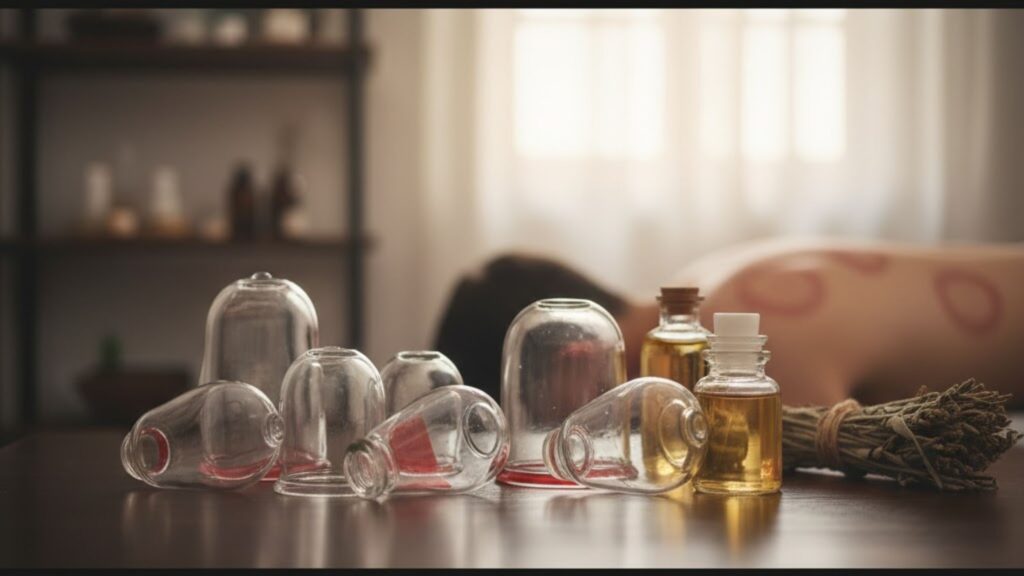
Cupping Therapy Grand Rapids has become a popular choice for people seeking relief from muscle pain, stress, and poor circulation, yet many clients come in without a clear understanding of the risks and contraindications that determine whether cupping is appropriate for them. This guide explains, in practical terms, who should avoid cupping, which health conditions increase risk, the most common and the rare but serious adverse effects, and how to reduce those risks before, during, and after treatment. You will find clear guidance for athletes, older adults, pregnant people, those on medications, and anyone considering dry or wet cupping, plus actionable questions to ask your practitioner before you book a session.
Who should avoid cupping therapy?
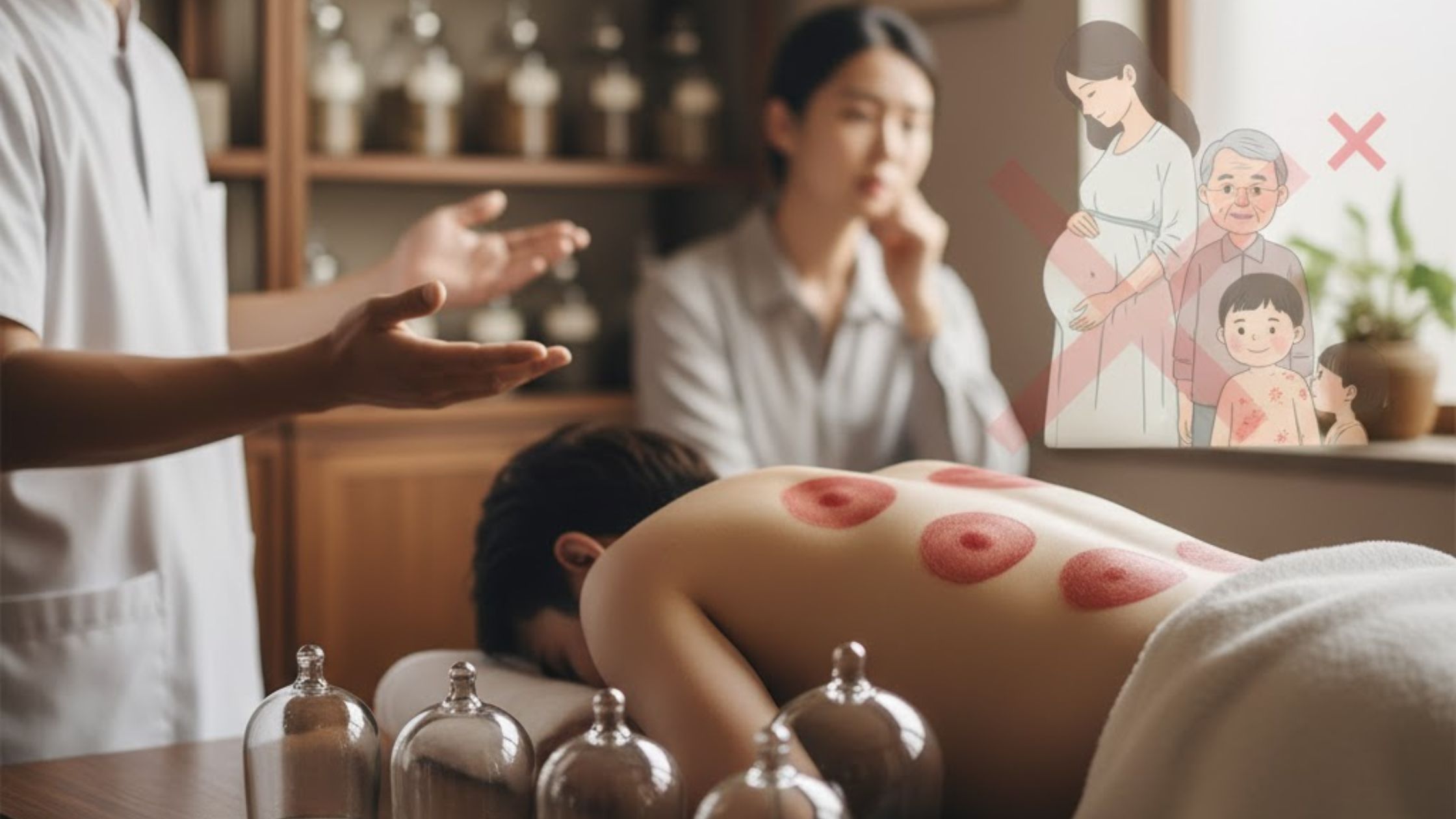
Cupping Therapy Grand Rapids is not suitable for everyone, and certain groups face clearly elevated risks that make the treatment inadvisable. People with active skin infections or open wounds should not receive cupping on the affected area because suction can worsen infections and delay healing. Individuals with bleeding disorders such as hemophilia, or those on anticoagulant and antiplatelet medications like warfarin or aspirin, should avoid cupping due to a higher chance of excessive bruising, hematoma formation, or prolonged bleeding. Anyone with unstable cardiovascular disease, known deep vein thrombosis, or recent stroke should avoid cupping until cleared by a physician. Pregnant people should avoid cupping over the abdomen and lower back; some practitioners also avoid cupping elsewhere in pregnancy unless there is explicit clearance from an obstetric provider. People with severe uncontrolled diabetes, immune suppression, or active cancer near the site of planned treatment should not receive cupping unless their medical team approves an exception. Elderly individuals with fragile, thin skin often face a higher chance of skin tearing or severe bruising and should receive a modified, gentler approach or avoid cupping entirely. Finally, those with connective tissue disorders such as Ehlers-Danlos syndrome should generally avoid cupping because negative pressure can overstretch already vulnerable tissues.
What are the most common side effects of cupping therapy?
Mild to moderate bruising at cup sites is the single most common effect and is typically expected; these circular marks usually fade over several days to two weeks. Temporary redness, soreness, and localized edema are routine and reflect increased blood flow and minor capillary breakage rather than infection. Some people report a transient feeling of lightheadedness, dizziness, or nausea if suction intensity is excessive or if they are dehydrated or fasting prior to treatment. Skin sensitivity, itching, and temporary changes in pigmentation can occur in treated areas, particularly for darker skin tones where post-inflammatory hyperpigmentation may linger longer. Slight blistering is possible when fire cupping or aggressive suction is used; blisters that are intact and sterile can often be managed conservatively but must be monitored to prevent infection. For most healthy people under supervised care, these effects are self-limited and resolve without further intervention.
What are the serious but less common adverse effects to watch for?
Serious complications from cupping are less common but still possible, and practitioners must be trained to recognize and avoid them. Significant skin infections, including cellulitis and abscess formation, can occur if cups or instruments used in wet cupping are not properly sterilized, or if wet cupping is performed by an untrained provider. Burns are a documented risk with fire cupping when cups are overheated or left in contact with the skin for too long. Hematoma or large subcutaneous bleeding is a risk for people on blood thinners or with clotting disorders; these can be painful, limit mobility, and rarely require medical drainage. Nerve injury or persistent numbness can occur if cups are placed on areas with minimal soft tissue between skin and nerves or if suction is applied too aggressively; such injuries may produce paraesthesia that can last weeks to months. In rare cases, cupping near varicose veins or on limbs with vascular disease could theoretically dislodge a thrombus or worsen venous insufficiency; anyone with suspected DVT must avoid cupping until fully evaluated. Finally, unregulated wet cupping with improper technique can cause excessive blood loss or introduce pathogens if instruments are not sterile.
Which medical conditions are clear contraindications?
- Bleeding disorders such as hemophilia and von Willebrand disease.
- Current use of therapeutic anticoagulation or potent antiplatelet therapy without clinician approval.
- Active skin infections, cellulitis, herpes zoster, or unhealed surgical incisions at the intended treatment site.
- Severe peripheral vascular disease, confirmed deep vein thrombosis, or unstable varicosities.
- Uncontrolled diabetes with poor wound healing or neuropathy in the treatment area.
- Recent major surgery or fractures near the targeted body region.
- Known connective tissue disorders that compromise skin and vessel integrity.
- Active cancer in or near the treatment area unless a multidisciplinary team approves.
- Severe or unstable cardiovascular disease, recent myocardial infarction, or recent cerebrovascular events.
- Pregnancy for cupping over the abdomen and lower back; consider obstetric clearance for other areas.
Each of these conditions raises the risk profile for cupping beyond routine, manageable adverse effects and typically requires a medical clearance or a different treatment approach.
How do dry and wet cupping differ in risk?
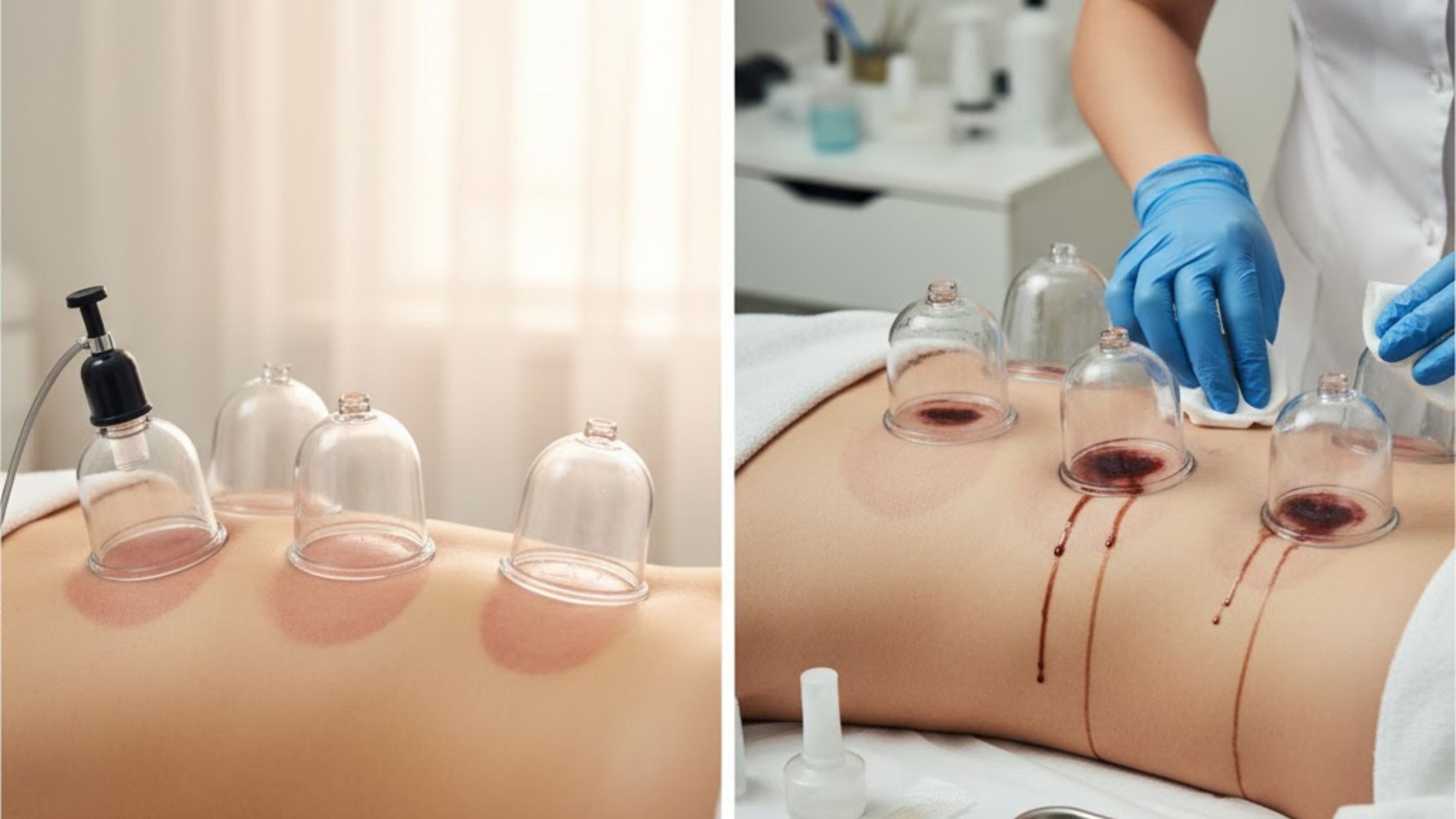
Dry cupping creates negative pressure on intact skin using glass, silicone, plastic, or bamboo cups and generally presents a lower risk profile because it does not involve intentional skin incisions or bloodletting. Expected effects include bruising, mild soreness, and transient hyperemia. Wet cupping, in contrast, involves light skin incisions or scarification followed by suction to draw small amounts of blood. Wet cupping increases infection risk and bleeding risk and requires strict aseptic technique, single-use or properly sterilized instruments, and trained practitioners who understand wound care and cross-contamination prevention. Because wet cupping breaks the skin’s barrier, it is contraindicated for people with bleeding disorders, immunodeficiency, or poorly controlled chronic diseases that affect wound healing.
How do medications change cupping risk?
Anticoagulants and antiplatelet agents significantly increase the chance of large bruises, hematoma, and prolonged bleeding following cupping. Steroids, whether systemic or high-potency topical corticosteroids, thin the skin and increase fragility, making tearing and deeper bruising more likely. Immunosuppressive medications can reduce infection defenses and delay healing; patients on such drugs should consult their prescribing clinician before cupping. Chemotherapy or recent radiation therapy reduces tissue integrity and immune function; cupping too close to treated areas can impair wound recovery and should generally be avoided. Herbal supplements with anticoagulant activity, including high-dose fish oil, ginkgo biloba, garlic, or certain traditional remedies, may elevate bleeding risk and should be disclosed to the practitioner.
Are there special considerations for athletes and recovery use?
Athletes often use cupping to accelerate recovery, ease myofascial tightness, and improve perceived blood flow. When applied correctly, cupping can be a useful adjunct to a recovery plan, but intensity must be tailored to the athlete’s condition and training cycle. Avoid cupping directly over acute muscle tears, fresh contusions, open wounds, or fractures. For athletes on medications for inflammatory conditions, coordinate with the prescribing clinician. Use gentler suction and shorter durations for younger athletes and those new to cupping. Avoid cupping over areas with implanted devices like pacemakers, or where there is hardware from recent orthopedic surgery.
Athletic recovery protocols and timing
- Schedule cupping sessions at appropriate intervals, allowing tissues to recover between treatments.
- Avoid cupping within 48–72 hours of a high-intensity training session that produced significant muscle damage or inflammation.
- Combine cupping with active recovery, hydration, and nutrition strategies to support tissue repair.
- Monitor the treated area in the 24–72 hours after treatment for signs of excessive bruising, blistering, or infection.
What about cupping for older adults?
Older adults commonly have thin, fragile skin and more fragile capillaries, which increases the likelihood of severe bruising, superficial skin tears, and longer recovery times. A conservative cupping approach is essential: reduced suction strength, shorter hold times, silicone or soft cups rather than fire cupping, and avoiding wet cupping are preferred. Thorough pre-treatment assessment of medication regimens, especially anticoagulant use, is necessary. Consider substituting other modalities, such as gentle massage or myofascial release, when skin integrity is a concern.
How should pregnant people approach cupping?
Pregnancy is not an absolute contraindication to all cupping, but it requires prudence. Cupping over the abdomen and lower back is typically avoided because of concerns related to uterine stimulation and local vascular changes. Many practitioners also avoid cupping in the pelvis and sacral region during pregnancy. If a pregnant person is considering cupping, they should get obstetric clearance and choose a practitioner experienced with prenatal care who avoids wet cupping and aggressive suction. Gentle, superficial dry cupping on the upper back, shoulders, or limbs may be acceptable when performed safely and with medical approval.
How can you minimize the risks before a cupping session?
- Disclose full medical history, including medications, supplements, and recent surgeries.
- Avoid cupping if you are acutely ill, have a fever, or have active skin lesions in the intended area.
- Hydrate and avoid fasting before treatment to reduce dizziness and improve tissue resilience.
- Choose a licensed, trained practitioner who follows documented infection control and sterilization protocols.
- Ask about the type of cupping to be used—dry versus wet—and why the practitioner recommends it.
- Confirm that single-use or properly sterilized instruments will be employed for wet cupping.
- Request conservative suction settings and shorter cup durations for your first session, and schedule a follow-up plan.
What screening questions should a practitioner ask?
- Do you have any bleeding disorders or are you taking anticoagulants or antiplatelet medications?
- Have you had any recent surgeries, wounds, or infections in the area planned for treatment?
- Do you have any chronic conditions such as diabetes, vascular disease, or connective tissue disorders?
- Are you pregnant or planning to become pregnant?
- Do you have allergies to topical antiseptics or adhesive dressings?
- Have you ever experienced unusual bruising or delayed wound healing?
- What are your goals for cupping therapy, and do you have any concerns about bruising or cosmetics?
These screening questions help the practitioner tailor treatment to minimize risk and ensure the therapy is clinically appropriate.
What to expect during a safe cupping session
A safe cupping session includes an informed consent conversation, a clear explanation of the technique (dry or wet), and a visual assessment of the skin. The practitioner should cleanse the skin with an appropriate antiseptic, use properly sterilized or single-use equipment, and adjust suction strength according to patient feedback. Cups are typically left in place for 5–15 minutes for dry cupping; wet cupping requires shorter, controlled sequences with immediate wound care, dressing, and aftercare instructions. The therapist should remain present and attentive to patient comfort, removing cups immediately if pain becomes intolerable or if blistering or skin compromise appears.
Aftercare: how to reduce complications post-treatment
- Keep the treated area clean and avoid hot baths or saunas for 24–48 hours after wet cupping.
- Apply provided antiseptic ointment and sterile dressings after wet cupping, and change dressings as instructed.
- Avoid strenuous exercise or heavy loading of the treated area for 24–48 hours to reduce swelling and bruising.
- Monitor for signs of infection: increasing redness, warmth, swelling, worsening pain, pus, or fever—seek medical care promptly if these occur.
- Use gentle moisturizers on dry, mildly irritated skin; avoid aggressive exfoliation for at least a week.
- If significant bruising develops, ice in the first 24 hours and then gentle heat after 48 hours can help; elevate limbs if swelling is present.
- Contact your practitioner for follow-up if you have concerns or if marks persist beyond two weeks.
Comparative risk overview: Dry vs Wet Cupping
| Feature | Dry Cupping | Wet Cupping |
| Skin barrier broken | No | Yes |
| Infection risk | Low | Moderate to high if poor asepsis |
| Bleeding risk | Low | Elevated |
| Typical aftercare | Minimal | Wound care and dressings |
| Best for | Muscle tightness, circulation | Traditional purification, certain pain protocols |
How to choose a qualified cupping practitioner
- Verify credentials: choose licensed massage therapists, acupuncturists, physical therapists, or clinicians with formal training in cupping.
- Ask about infection control measures and whether wet cupping instruments are single-use or sterilized according to recognized standards.
- Request references or reviews and examples of experience with conditions similar to yours.
- Ensure the practitioner performs a pre-treatment screening and documents medical history.
- Avoid practitioners who advertise extreme suction, promise cures, or perform risky techniques without medical oversight.
Myths and misunderstandings about cupping risks
Myth: Cupping always causes permanent tissue damage.
Fact: Cupping routinely produces temporary marks; permanent damage is rare when performed properly.
Myth: Cupping removes “toxins” from the body.
Fact: There is limited scientific evidence that cupping removes specific toxins; physiological effects are more likely related to local circulation changes and neural input.
Myth: Darker, circular marks always mean severe damage.
Fact: The intensity of marks largely reflects the degree of suction, skin thickness, and individual capillary fragility; darker marks are not synonymous with danger but do indicate more capillary rupture.
Myth: If cupping didn’t hurt, it didn’t work.
Fact: Effective treatment does not require extreme pain; controlled, tolerable suction is safer and often more therapeutic.
When to seek medical attention after cupping
Seek urgent medical attention if you notice any of the following after cupping: increasing redness, spreading warmth or streaking from the treated area, purulent drainage, fever or chills, severe uncontrolled pain at the site, numbness or progressive weakness in the treated limb, or signs of significant bleeding or expanding hematoma. If you are on blood thinners and notice a rapidly growing bruise or prolonged bleeding, contact your prescribing clinician promptly.
How cupping fits into an integrative care plan
Cupping can complement physical therapy, massage, acupuncture, and exercise-based rehabilitation when appropriately integrated. It should not substitute for necessary medical care for infections, fractures, or severe vascular disease. A multidisciplinary approach ensures contraindications are respected and the best therapeutic mix is chosen for the patient’s goals—whether pain reduction, improved range of motion, or accelerated recovery after exertion.
FAQs
How long do cupping marks last?
Cupping marks typically fade within a few days to two weeks; darker, deeper marks may take longer to fully resolve and are not usually a sign of permanent damage.
Can cupping cause infections?
Yes, cupping can cause skin infections, particularly wet cupping, if aseptic technique is not used or if aftercare is inadequate; proper sterilization and wound care reduce this risk.
Is cupping safe for people on blood thinners?
People on blood thinners face a higher risk of large bruises and hematoma and should consult their prescribing clinician before cupping; many practitioners will avoid wet cupping and use minimal suction if clearance is obtained.
Can cupping dislodge blood clots?
Cupping over an area with deep vein thrombosis or unstable vascular disease should be avoided because of theoretical risk; anyone with suspected DVT must be evaluated by a medical professional before receiving cupping.
Are there alternatives to cupping for pain and recovery?
Yes—physical therapy, targeted massage, manual myofascial release, shockwave therapy, acupuncture, graded exercise, and cryotherapy are common alternatives; choose the approach that best fits your medical profile and recovery goals.
Summary: practical checklist before your first session
- Confirm your full medical history and medication list with the practitioner.
- Avoid cupping on areas with active skin issues or recent incisions.
- Prefer dry cupping over wet cupping if you are on blood thinners, immunosuppressed, or have fragile skin.
- Ask about sterilization practices and whether single-use blades or instruments are used for wet cupping.
- Request conservative suction and shorter cup durations for an initial trial session.
- Hydrate and eat a light meal before treatment to reduce risk of dizziness.
- Arrange follow-up and clear instructions for aftercare before leaving the clinic.
Conclusion
Cupping Therapy Grand Rapids offers an appealing non-pharmacologic option for pain relief, muscle recovery, and improved circulation, but it carries distinct risks and contraindications that must be respected. People with bleeding disorders or on blood-thinning medications, those with active skin infections, uncontrolled chronic illnesses, recent surgeries, or pregnancy-related concerns should avoid or modify cupping based on medical advice. Choosing a qualified practitioner, using conservative techniques, and following strict infection control and aftercare protocols minimize the likelihood of adverse effects. If you’re in Grand Rapids and considering cupping, speak openly with your clinician and a trained cupping therapist to ensure the therapy aligns safely with your health profile. If you’d like to explore safe, evidence-informed cupping options, connect with Fuel Health & Wellness for an informed consultation and individualized plan.