

Cupping Therapy Grand Rapids is a popular search for people seeking alternatives for pain relief, athletic recovery, and holistic wellness in West Michigan, and the question of dry versus wet cupping comes up every time because the two approaches look similar but carry different procedures, benefits, and safety profiles. This guide explains the technical differences between dry and wet cupping, compares clinical and traditional rationales, translates those points into practical safety considerations under Michigan’s health expectations, and shows how to choose a licensed, compliant provider in Grand Rapids. The goal is to give you a clear, usable resource that answers both what each method is and how Michigan wellness rules shape which option is safer for you.
What is the difference between dry cupping and wet cupping?
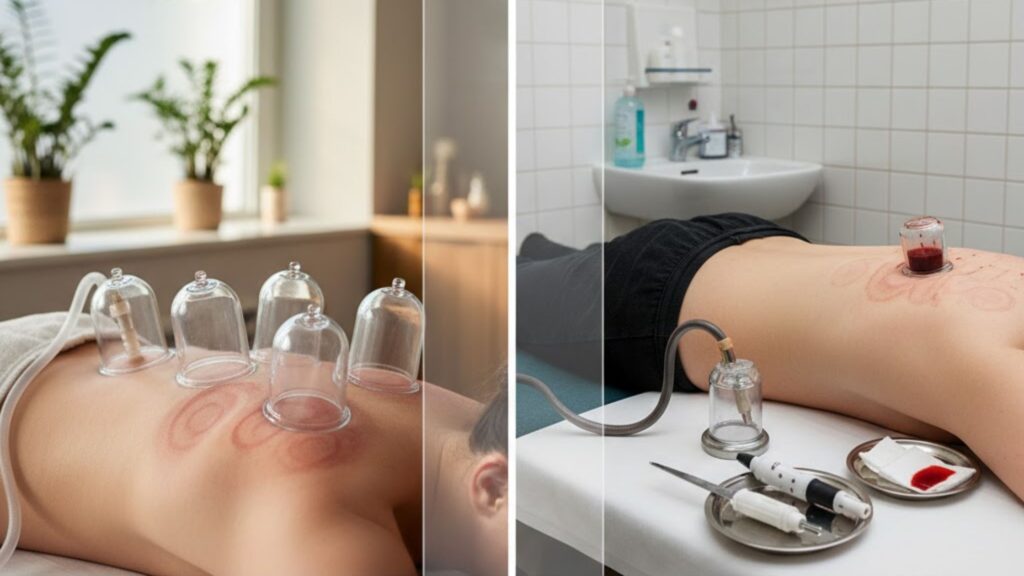
Dry cupping is a non‑incisional technique where cups create suction on the skin using heat or mechanical pumps; this increases local blood flow, relaxes muscles, and can reduce pain without breaking the skin. Wet cupping, also called hijama in some traditions, begins similarly but includes superficial skin incisions after initial suction and then reapplies cups to draw a small amount of blood, which traditional practitioners consider a form of detoxification or removal of stagnationiliveactive.com+1. The core procedural difference is whether the skin is pierced and blood is intentionally extracted; that distinction drives most differences in risk, aftercare, and legal/regulatory scrutiny.
How do dry cupping and wet cupping feel and what immediate results should clients expect?
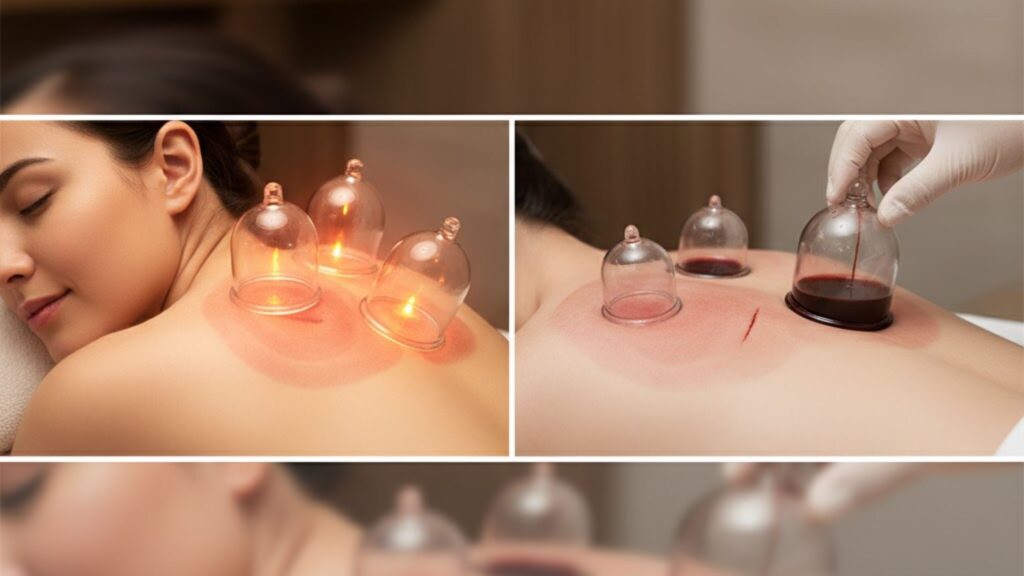
Dry cupping usually produces a tight, sucking sensation and leaves circular, reddish to purple marks from capillary engorgement that fade over days to two weeks. People commonly report immediate loosening of tight muscles and short‑term pain reduction after dry cupping sessions. Wet cupping can cause more discomfort because of the small incisions and the sensation of blood being drawn; post‑treatment effects include mild bleeding at the incision sites, scabbing, and a greater need for wound care and infection monitoringdrscottdenny.com. Both therapies can lead to transient lightheadedness in sensitive individuals, so practitioners typically monitor clients for a short recovery period after treatment.
How do traditional claims and modern evidence compare for both methods?
Traditional systems credit wet cupping with removing “impure blood” or toxins and relieving systemic conditions, while dry cupping is often framed as a local circulatory and myofascial intervention. Modern clinical reviews find that both dry and wet cupping may help reduce pain and improve function for certain chronic pain conditions when applied by trained practitioners, but quality and mechanism studies vary and outcomes depend on condition, technique, and frequency of treatmentiliveactive.com+1. Because wet cupping involves skin breaches, its proposed systemic benefits are weighed against a higher procedural risk profile in clinical settings.
Who is a good candidate for dry cupping, and who should avoid it?
Dry cupping is generally appropriate for people with musculoskeletal pain, tightness, or circulatory stagnation who are not on anticoagulant therapy and who do not have fragile skin conditions. People with active skin infections, severe eczema, open wounds, or bleeding disorders should avoid cupping until those issues are resolved. Pregnant clients should disclose pregnancy because certain cupping points and intense suction may be contraindicated; practitioners adapt protocols accordingly. Always disclose medications, chronic conditions, and recent procedures during intake so the practitioner can tailor or decline treatment for safety.
Who is a good candidate for wet cupping, and who should avoid it?
Wet cupping is more selective: suitable candidates are those who pass a medical screening, are not on blood thinners, do not have hemophilia or other bleeding disorders, and consent to minor skin incision and bloodletting in a controlled clinical setting. People with diabetes, compromised immune systems, or poor wound‑healing capacity require extra caution and medical clearance before wet cupping. Because of the incision component, wet cupping should only be done by practitioners trained in safe blood‑letting techniques, universal precautions, and sharps disposal.
What are the infection risks and how are they mitigated?
Infection risk is low with dry cupping because the skin is intact, but poor hygiene (unclean cups, inadequate skin prep) can still cause local irritation or infection. Wet cupping carries a higher infection risk because of superficial skin incisions and potential exposure to bloodborne pathogens; mitigation requires single‑use blades or sterile lancets, thorough skin antisepsis, glove use, proper disposal of sharps, and post‑treatment wound care instructions. Providers who follow evidence‑based safety protocols reduce risks substantially: sterile technique, adequate practitioner training, and clear aftercare directions are essential.
What do Michigan wellness regulations require for cupping practitioners?
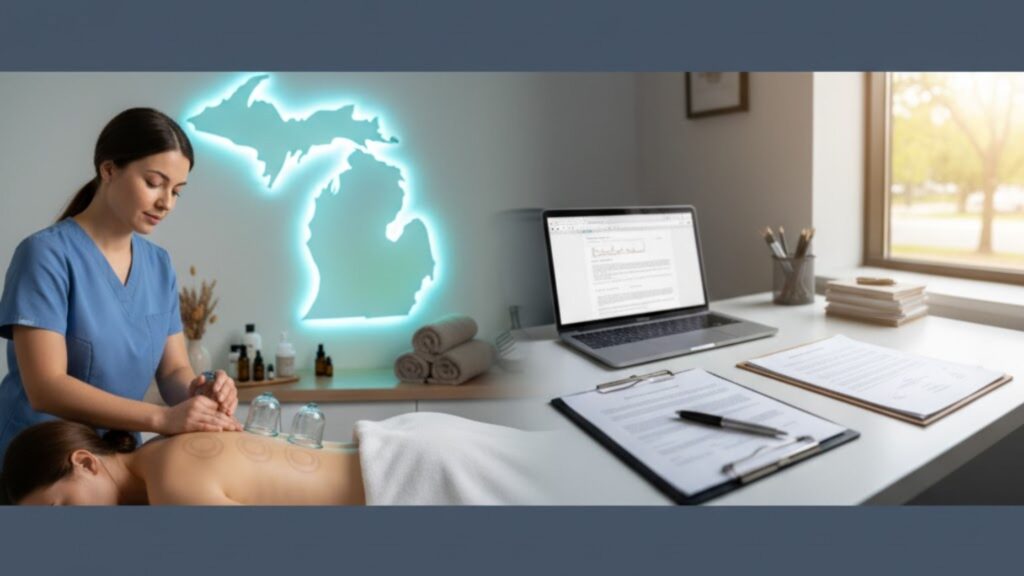
Michigan does not have a single statewide licensure specific to cupping; instead, practice expectations fall under broader health, sanitation, and scope‑of‑practice rules depending on the practitioner’s license (massage therapist, acupuncturist, naturopathic clinician, or other allied health provider). For blood‑involved procedures such as wet cupping, Michigan’s health and professional boards require adherence to bloodborne pathogen precautions and local public health sanitation standards, and the provider’s primary license must authorize minor-invasive procedures. Clinics offering wet cupping must maintain appropriate infection control policies, sharps disposal systems, and documentation practices consistent with state health department rules.
Licensing and scope specifics under Michigan regulations
- Licensed acupuncturists are typically trained in needling, bloodletting, and minor invasive procedures; their board rules describe standards for sterile technique, consent, and recordkeeping. Providers should verify that their license scope explicitly permits superficial skin incisions and bloodletting before offering wet cupping.
- Massage therapists generally provide non‑invasive manual therapies and dry cupping, but their license may not allow intentional skin incisions or bloodletting; offering wet cupping without the correct scope risks regulatory action.
- If a practitioner is not licensed under a board that permits minor invasive procedures, wet cupping should not be performed in that setting; dry cupping remains a safer, lower‑risk option for many wellness clinics.
Is wet cupping legal and safe in Michigan clinical or wellness settings?
Wet cupping can be legal and safe in Michigan when performed by a practitioner whose license and training cover minor invasive procedures and who follows state infection control expectations, but it is not appropriate for unlicensed technicians or facilities that cannot meet bloodborne pathogen standards. Wet cupping introduces regulated waste and blood exposure considerations that require clinical policies, documented client screening, and properly trained staff. If a Grand Rapids clinic wants to offer wet cupping, it must ensure that practitioners are authorized by their licensing board to perform skin incisions and that the facility follows sterile technique and sharps management consistent with public health guidelinesdrscottdenny.com.
Why dry cupping is more commonly offered in wellness studios
Dry cupping is easier to implement in a wellness setting because it keeps the skin intact, avoids regulated waste considerations, and fits within the scope of manual therapy and massage services for many licensed providers. Dry cupping achieves measurable local effects—improved circulation, decreased muscle tension, and temporary pain relief—without needing sharps handling, making it the default offering for many Grand Rapids clinics and day‑spa style centers.
How should a practitioner screen clients before offering wet cupping?
Cupping Therapy Grand Rapids is part of the intake vocabulary clinicians use to identify local needs and regulatory expectations. Proper screening includes a medical history checklist for bleeding disorders, anticoagulant use, diabetes, immune compromise, skin conditions, recent surgeries, tattoos near treatment sites, and pregnancy status. Practitioners should document verbal and written consent that explains the incision, bleeding, expected post‑procedure care, and infection signs to watch for. If medical clearance is required, the provider should defer wet cupping until written approval from the client’s primary care provider is obtained.
Intake steps and red flags
- Verify current medications and supplements that increase bleeding risk.
- Check for skin infections, dermatitis, or open wounds at intended cupping sites.
- Screen for systemic conditions that impede wound healing such as uncontrolled diabetes.
- Confirm vaccination status for hepatitis B where relevant and ensure bloodborne pathogen training is current.
What safety protocols should clinics follow for wet cupping in Grand Rapids?
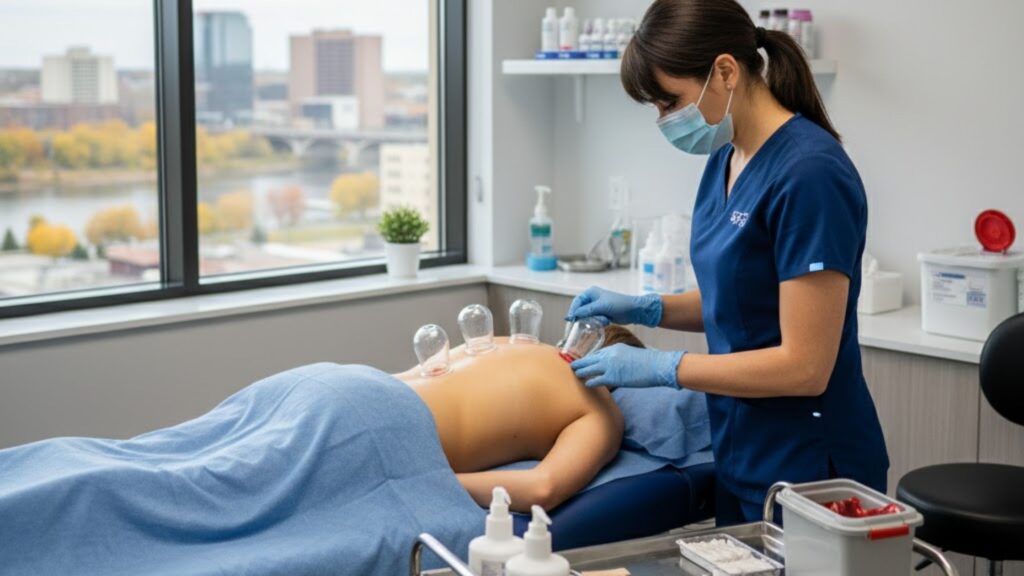
Wet cupping requires facility protocols that align with standard infection control: single‑use sterile blades, antiseptic skin prep (e.g., isopropyl alcohol or chlorhexidine), sterile cups or properly sterilized reusable cups, barrier gloves, immediate sharps disposal, and separate documentation for the procedure and wound care. Facilities must also have policies for managing accidental exposures and ensuring the client has post‑treatment instructions and emergency contact information. Staff training in universal precautions and routine audits of compliance are essential for clinics offering wet cupping.
Post‑procedure care patients must follow
Patients should keep cupping sites clean, dry, and covered as instructed, monitor for increased redness, swelling, warmth, or purulent drainage, and avoid soaking in baths or pools until incisions are fully healed. Analgesics and topical antiseptics can be recommended per clinic protocol; patients on anticoagulants should be advised to contact their prescriber if bleeding is prolonged. Providers should schedule a brief follow‑up or provide a clear phone triage pathway to report concerns.
Which is safer overall: dry cupping or wet cupping?
Clinically minded perspective, dry cupping is safer for general wellness use because it does not involve breaking the skin and therefore avoids most infection and bloodborne pathogen risks. Wet cupping can be performed safely but requires higher practitioner skill, appropriate licensure, and strict adherence to blood‑handling protocols, making it best performed in clinically governed environments rather than casual wellness studiosdrscottdenny.com. For most Grand Rapids residents seeking relief for sore muscles, sports recovery, or relaxation, dry cupping provides a favorable risk‑benefit profile when delivered by a trained practitioner.
Quick procedural comparison
| Attribute | Dry Cupping | Wet Cupping |
| Skin incision | No | Yes |
| Blood exposure | No | Yes |
| Infection control required | Standard hygiene | Sterile prep; sharps disposal |
| Typical use cases | Muscle tension; local pain | Detoxification claims; chronic conditions |
| Typical candidate screening | Basic | Detailed medical screening |
| Regulatory scrutiny | Lower | Higher |
How to choose a safe cupping provider in Grand Rapids
Look for a provider who clearly lists their credentials and scope, explains whether they offer dry or wet cupping and why, and provides pre‑treatment screening, informed consent, and post‑treatment instructions. If a clinic offers wet cupping, confirm that the practitioner’s license permits minor invasive procedures and ask about their infection control measures, single‑use instrument policies, and sharps disposal. A reputable clinic will answer questions transparently, show documentation of staff training, and have clear policies for adverse event management.
Red flags that a clinic may not be compliant
- No intake form or medical screening is used.
- The provider refuses to discuss training or license.
- Instruments are visibly reused without sterilization.
- There is no sharps container or visible infection control supplies.
- Wet cupping is offered by unlicensed staff or in nonclinical settings without sterile protocols.
What documentation and consent should you expect before wet cupping?
Expect a written consent form that explains the procedure, risks (including bleeding, infection, scarring), alternatives, and aftercare. The form should require the client to disclose bleeding disorders and medications and should include a place for the practitioner to document screening findings and technique used. Providers should keep these records in the client’s chart for continuity of care and regulatory compliance.
How effective are dry and wet cupping for athletic recovery?
Athletes report improvements in soreness, range of motion, and subjective recovery after both methods, with dry cupping commonly used for localized muscle recovery and wet cupping used by some athletes for perceived systemic detox benefits. Clinical studies suggest short‑term pain relief and improved mobility after cupping interventions, though longer‑term outcomes vary and more high‑quality trials are needed to establish consistent protocols for athletic recovery. Integrating cupping with active recovery, hydration, and evidence‑based therapies yields the best practical results.
Practical protocol for post‑workout dry cupping
- Use light to moderate suction over the tight muscle area for 5–15 minutes.
- Combine with active stretching and gentle foam rolling after removal.
- Hydrate and monitor for delayed myalgia or bruising.
Can cupping cause scarring or long‑term skin changes?
Dry cupping typically leaves temporary hyperpigmented circular marks from capillary dilation that usually resolve within days to a few weeks. Wet cupping adds the potential for scabbing and superficial scars if incisions are not made correctly or if aftercare is inadequate; however, when done properly and with good wound care, scarring is minimal. People prone to keloids should disclose that history and may be advised to avoid wet cupping or to use modified approaches.
Are there insurance implications or medical record considerations for wet cupping?
Because wet cupping involves blood exposure and minor invasive technique, clinics should document the procedure in medical records similarly to other invasive outpatient procedures. Some insurers do not cover cupping, but when provided by licensed clinicians within scope of practice—for example acupuncturists treating for documented conditions—some reimbursement pathways may exist. Always check with your insurer and the provider about billing codes and documentation.
How long does recovery take after dry vs wet cupping?
Dry cupping recovery is usually immediate: patients can resume normal activities, though marks may last one to two weeks and mild soreness can persist for 24–48 hours. Wet cupping recovery requires wound healing time—typically several days for scabs to form and fall off and up to two weeks for full skin re‑epithelialization depending on individual healing—so patients should avoid soaking and heavy friction on treated areas during that time.
What equipment and supplies should a well‑run cupping clinic use?
A safe clinic uses medical‑grade cups (single‑use silicone or properly sterilizable glass), vacuum pumps or controlled fire cupping tools, single‑use sterile blades or lancets for wet cupping, antiseptics for skin prep, disposable gloves, and leak‑proof sharps containers. Sterilization logs, staff training records, and visible policies on infection control are additional marks of a responsible practice.
What should you expect during your first cupping session in Grand Rapids?
If you’re preparing for your First Cupping Therapy Session in Grand Rapids, expect an intake and screening process, an explanation of the technique that will be used (dry vs wet), and a discussion of potential marks and aftercare. The practitioner will position you comfortably, apply lubrication or skin antiseptic as needed, and place cups for the required duration while monitoring your comfort. After treatment you’ll receive post‑session guidance and a chance to ask questions about marks, sensations, or follow‑up sessions.
How to prepare for a session
- Avoid heavy meals right before treatment.
- Hydrate well the day of your session.
- Wear loose clothing for easy access to treatment areas.
Cost considerations and frequency of treatment
Dry cupping sessions are commonly offered as single sessions or add‑ons to massage at clinics across Grand Rapids, whereas wet cupping, requiring more clinical oversight and supplies, tends to be priced higher. Frequency depends on goals: a short course of weekly sessions for 3–6 weeks is common for chronic pain management, while athletes may use cupping more intermittently around training cycles. Discuss a tailored plan with your provider.
Integrating cupping with other therapies
Cupping complements massage therapy, chiropractic care, acupuncture, physical therapy, and guided exercise programs. For athletic recovery, combining cupping with active mobility work, soft tissue therapy, and periodized rest provides the highest functional benefit. If you receive wet cupping, coordinate with your primary care provider or specialist when underlying medical conditions exist.
Common myths about cupping
Myth: Cupping always causes permanent damage. Reality: Most changes are temporary; when done properly, cupping is low risk for long‑term harm. Myth: Wet cupping draws out large amounts of blood. Reality: The volume is small and controlled; modern wet cupping usually removes only minimal blood and is performed with sterile techniquedrscottdenny.com. Myth: Cupping replaces conventional medical care. Reality: Cupping is often adjunctive and should not be a substitute for necessary medical diagnosis or treatment.
Local considerations for Grand Rapids residents
Cupping Therapy Grand Rapids seekers should confirm that their chosen clinic follows local county public health rules and that practitioners have the licensing credentials appropriate to the service offered. Grand Rapids has diverse wellness providers; ask clinics to explain how their protocols align with state and local expectations and whether they offer clear emergency contact procedures and documented aftercare.
LSI and related terms explained (keywords you’ll see in local searches)
- Hijama: Traditional term for wet cupping often used in Middle Eastern contexts.
- Fire cupping: A method of creating suction with heat commonly used in dry cupping.
- Vacuum cupping: Mechanical suction used in modern dry cupping devices.
- Cupping marks: The circular skin discolorations following suction.
- Bloodborne pathogen precautions: Universal infection control steps required for wet cupping.
What to ask your provider before booking an appointment
Ask about training and licensure, whether they perform dry or wet cupping, what antiseptic and sharps protocols they follow, typical aftercare instructions, and how they screen clients for medical contraindications. A provider who answers transparently demonstrates professionalism and regulatory awareness.
FAQ — Five frequently asked questions people ask about cupping in Michigan
What’s the pain level for dry versus wet cupping?
Dry cupping is usually mild and only creates pressure sensations; wet cupping can be more uncomfortable due to small incisions but is typically tolerable for most clients.
Can I get wet cupping if I take blood thinners?
No; anticoagulants and blood thinners increase bleeding risk and are a common contraindication to wet cupping.
How long do cupping marks last?
Dry cupping marks typically fade within several days to two weeks, while wet cupping sites may scab and take longer to fully heal.
Does wet cupping increase infection risk?
Yes, wet cupping increases infection risk compared with dry cupping, which is why sterile technique and trained practitioners are essential.
Can massage therapists legally perform wet cupping in Michigan?
It depends on the practitioner’s license and the scope allowed by Michigan professional boards; many massage licenses do not include bloodletting, so wet cupping may be restricted to licensed acupuncturists or other clinicians with appropriate authorization.
Conclusion
Choosing between dry and wet cupping depends on your goals, medical history, and the clinical context in which the service is offered. Dry cupping offers a lower‑risk option for muscle tension, pain relief, and athletic recovery, while wet cupping can be performed safely only in settings where the practitioner is properly licensed, trained in bloodborne pathogen precautions, and the facility adheres to Michigan’s public health expectations. When searching for trustworthy local care, give preference to clinics that demonstrate clear screening, consent, sterile technique, and documented aftercare. If you’re in Grand Rapids and want a safe, licensed option for cupping, our clinic offers professional assessments and tailored plans—learn more about Cupping Therapy Grand Rapids and schedule a consultation..
You can meet our team, who are trained in safety and clinical protocols, or contact us to book an appointment. For trusted local care, choose Fuel Health & Wellness—we provide dry and clinically governed wet cupping options consistent with Michigan’s wellness standards.