

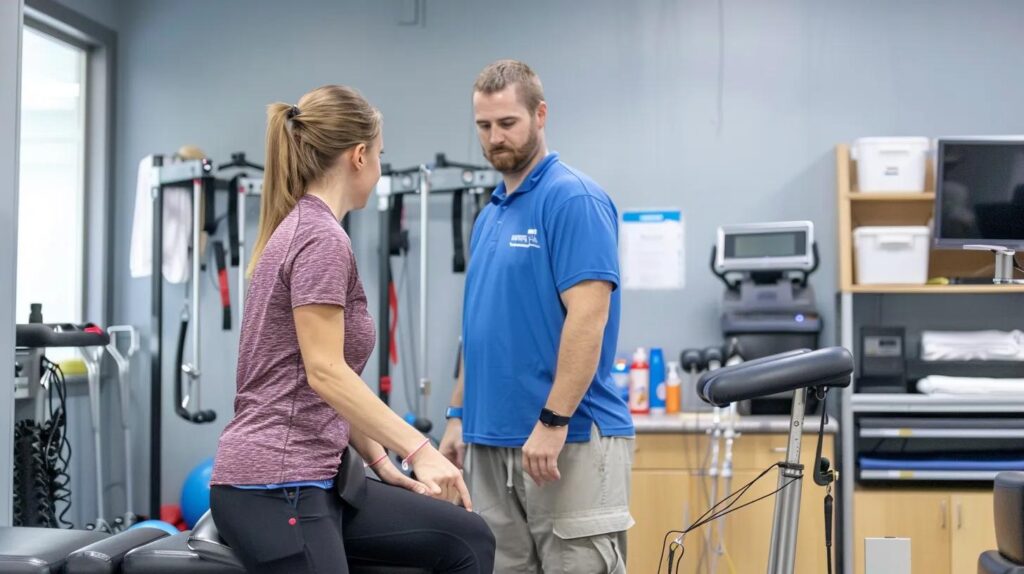
Feeling that tell-tale burning, tingling, or numbness along your limbs? It’s a clear sign of nerve irritation that needs a focused approach. In this guide, we’ll explore how physical therapy, nerve block injections, and regenerative medicine can tackle neuropathic pain, what you can expect from each, and how to choose the path that best fits your recovery journey. We’ll dive into definitions, how they work, their advantages, potential risks, cost considerations, and how we tailor plans at Fuel Health & Wellness – your trusted Grand Rapids partner for comprehensive nerve pain solutions.
Understanding Nerve Pain and Its Impact in Grand Rapids
Neuropathic pain happens when your nerves aren’t functioning correctly or have been injured, leading to persistent discomfort. Getting a handle on what it is, what causes it, how it’s diagnosed, and how it affects your daily life is the first step toward finding the right treatment.
What Exactly Is Neuropathic Pain? Key Symptoms to Watch For
Neuropathic pain is a persistent discomfort stemming from damage or issues within the nervous system, often felt as burning, shooting, or tingling sensations.
- A burning or electric shock-like sensation in your arms or legs
- Tingling, like “pins and needles,” especially noticeable at night
- Areas of numbness or reduced feeling in affected parts
- Muscle weakness or spasms that seem linked to nerve irritation
These sensations can intensify with movement or pressure, disrupting your sleep and limiting your activities, which can, in turn, amplify your overall discomfort.
What Are the Common Culprits Behind Nerve Pain?
Nerve irritation or injury can be traced back to a variety of underlying health conditions and physical traumas that affect the integrity of your nerves.
- Diabetic neuropathy, often a result of prolonged high blood sugar levels
- Mechanical compression from issues like herniated discs or spinal stenosis
- Autoimmune conditions, such as rheumatoid arthritis, that can target nerve coverings
- Direct physical trauma or repetitive strain injuries to peripheral nerves
- Neuropathy caused by chemotherapy, due to its toxic effects on nerve fibers
Pinpointing the exact cause through a thorough evaluation is crucial for guiding appropriate diagnostic tests.
How Do We Diagnose Nerve Pain? The Evaluation Process
Our diagnostic process starts with a detailed conversation about your history and a thorough physical examination, followed by specific tests to identify nerve damage.
Tests like nerve conduction studies and electromyography help us measure how well your nerves are transmitting signals and how your muscles are responding. Advanced imaging, such as MRIs or ultrasounds, can reveal structural issues like compression or inflammation around your spinal nerves. We also use clinical scales to measure the severity of your symptoms and how they affect your daily function, which helps us create a personalized treatment plan.
How Does Ongoing Nerve Pain Affect Your Day-to-Day Life?
Living with persistent neuropathic pain can significantly diminish your quality of life, leading to disrupted sleep, reduced mobility, and emotional distress. When everyday tasks like walking or gripping objects become difficult, your independence can suffer. The constant discomfort can also elevate stress hormones, potentially contributing to anxiety or depression. Restoring nerve function and reducing inflammation are key steps toward reclaiming your daily routines and overall sense of well-being.
How Physical Therapy Helps Alleviate Nerve Pain
Physical therapy works to ease nerve pain by improving how your nerves move, boosting circulation, and helping to manage inflammation through specific exercises, hands-on techniques, and neuromuscular re-education.
The Power of Manual Therapy and Exercise for Nerve Health and Recovery
Techniques like neurodynamic mobilizations, a form of manual therapy, have been shown to improve pain, physical function, and nerve signal transmission in conditions like carpal tunnel syndrome. Through active exercises and electrical stimulation, physical therapy can encourage nerve regeneration and prevent negative adaptations in preclinical models of peripheral neuropathy. Furthermore, a comprehensive review and expert consensus from 2021 highlighted that physical therapy can effectively reduce the intensity of neuropathy symptoms.
This research underscores how physical therapy can effectively ease nerve pain by enhancing nerve mobility, circulation, and inflammation control, while also supporting nerve regeneration.
What Are the Core Techniques in Physical Therapy for Nerve Pain?
Physical therapists utilize a blend of hands-on methods and targeted exercises to restore nerve health and function.
- Nerve-gliding exercises designed to improve nerve movement through gentle sliding and tension-release actions
- Manual therapy, including soft-tissue mobilization, to help reduce scar tissue adhesions around nerves
- Therapeutic exercises to strengthen supporting muscles, thereby reducing pressure on nerves
- Stretching routines to maintain joint flexibility and prevent nerve entrapment
- Modalities like ultrasound or electrical stimulation to decrease inflammation and encourage healing
These integrated techniques work together to build nerve resilience and prepare you for lasting recovery.
What Are the Advantages of Physical Therapy for Neuropathy and Sciatica?

Physical therapy offers numerous benefits for neuropathic conditions by addressing both the symptoms and the underlying biomechanical issues.
- Enhanced mobility through improved flexibility in joints and soft tissues
- Pain relief achieved by reducing nerve irritation and inflammation
- Strengthened muscles that provide better support for nerve pathways
- Long-term relief as your neural structures adapt to improved mechanics
- Decreased reliance on medications by promoting your body’s natural healing processes
Embracing these benefits can significantly boost your active participation in the recovery journey.
What Can You Expect During Your Physical Therapy Sessions?
Your initial visit will involve a thorough evaluation of your posture, range of motion, and what triggers your pain, followed by a personalized treatment plan. Subsequent sessions will include guided exercises, manual therapy, and the use of modalities, all under close supervision. We’ll regularly monitor your progress and adjust the intensity and techniques as your nerve function improves.
Who Is a Good Candidate for Physical Therapy?
If you’re looking for a non-invasive, active approach to nerve pain relief, especially if you’re dealing with mild to moderate neuropathic discomfort or early-stage sciatica, physical therapy is likely a great fit. Athletes, busy professionals, and individuals of all ages in Grand Rapids can benefit from customized exercise and mobility programs to support their recovery.
Can Physical Therapy Aid Nerve Regeneration and Reduce Inflammation?
Yes, physical therapy can promote nerve regeneration by increasing local blood flow, which delivers essential oxygen and nutrients for nerve fiber repair. Mechanical stimulation from nerve gliding and strengthening exercises also encourages the production of neurotrophic factors that aid in myelin repair. Additionally, modalities like ultrasound can help reduce pro-inflammatory signals, creating a more favorable environment for healing.
Exploring Nerve Block Injections for Nerve Pain Relief
Nerve block injections deliver anesthetic and corticosteroid medications directly near irritated nerves. This helps to interrupt pain signals and quickly reduce inflammation right at the source.
How Do Nerve Block Injections Work Their Magic?
By injecting a local anesthetic, which temporarily blocks nerve signals, and a corticosteroid, which reduces inflammation, around the specific nerve, these injections effectively halt pain transmission and calm nerve irritation. The result is often rapid pain relief and valuable diagnostic information.
The Effectiveness of Nerve Block Injections for Neuropathic Pain
Nerve block injections, using local anesthetics and corticosteroids, alleviate neuropathic pain by disrupting pain signals and calming inflammation around irritated nerves. Research indicates that epidural steroid injections can offer short-term relief for neuropathic pain and provide moderate, temporary benefits for low-back pain with radiating nerve issues. Therapeutic lumbar facet joint nerve blocks have also shown significant success in relieving chronic facet joint pain and improving function.
This research confirms how nerve block injections function, their benefits, and the typical duration of relief for various neuropathic conditions.
What Kinds of Nerve Block Injections Are There?
The type of injection we recommend depends on where the nerve is located and what we aim to achieve.
- Epidural injections: Deliver medication into the spinal canal to soothe irritated nerve roots
- Facet joint blocks: Target the small joints in your spine to pinpoint the source of pain
- Stellate ganglion blocks: Address the sympathetic nerve chain in the neck for upper-limb neuropathic pain
- Peripheral nerve blocks: Inject medication around specific nerves in your extremities for localized relief
Choosing the right type of block helps optimize pain management and diagnostic accuracy.
What Are the Advantages of Nerve Block Injections for Nerve Pain?

Nerve block injections offer several key benefits for managing nerve pain.
- Fast-acting pain relief, often within hours of the procedure
- Diagnostic insights by helping to identify the specific nerve causing the pain
- Temporary reduction in the need for oral pain medications
- Improved ability to participate in physical therapy by reducing acute pain flare-ups
These advantages can help you get moving and start recovering more quickly.
What Are the Potential Risks and Side Effects of Nerve Block Injections?
While generally safe, nerve blocks do have potential risks that patients should be aware of.
- Infection at the injection site, which may require antibiotic treatment
- Bleeding or the formation of a hematoma, particularly in patients on blood thinners
- Temporary nerve irritation or brief weakness following the injection
- A temporary increase in blood sugar levels for patients with diabetes, due to the corticosteroid
Careful patient selection and the use of imaging guidance help minimize these risks.
Who Should Consider Nerve Block Injections?
If you’re experiencing severe, acute neuropathic pain that hasn’t responded to other treatments, or if you need help pinpointing the exact nerve causing your pain, nerve block injections could be a good option. They are particularly useful when short-term pain relief is the immediate goal to allow you to begin other therapies.
Regenerative Medicine: A Look at Its Role in Treating Nerve Damage
Regenerative medicine utilizes cutting-edge therapies like stem cell injections and platelet-rich plasma (PRP) to repair damaged nerve tissue at a cellular level, offering the potential for lasting recovery beyond just managing symptoms.
Regenerative Therapies (Stem Cells and PRP) for Nerve Repair and Neuropathy
Regenerative medicine, including stem cell therapy (especially mesenchymal stem cells) and platelet-rich plasma (PRP) injections, aims to repair damaged nerve tissue from the ground up. Mesenchymal stem cells have the potential to transform into nerve cells, promote nerve regrowth, help repair nerve coverings (myelin), and reduce inflammation. PRP, packed with growth factors, stimulates healing, improves blood flow, and decreases inflammation. While much of the research is still in early stages, initial clinical trials show promising results for enhancing nerve function and easing neuropathic symptoms.
This research supports the article’s explanation of how regenerative medicine works, its potential for long-term healing, and the current evidence for stem cell and PRP therapies in nerve damage treatment.
What Is Regenerative Medicine in the Context of Nerve Pain?
Regenerative medicine includes treatments like autologous stem cell therapy, PRP (platelet-rich plasma) injections, and exosome therapy. These approaches are designed to use growth factors and cellular repair mechanisms to restore nerve health.
How Do Regenerative Therapies Encourage Nerve Healing?
These therapies introduce concentrated growth factors and beneficial cellular components that help regulate inflammation, stimulate nerve support cells (Schwann cells), and promote the regrowth of nerve fibers. By creating an environment that supports regeneration, regenerative medicine addresses the fundamental causes of neuropathic damage.
What Are the Benefits and Potential of Regenerative Medicine?
- Focuses on long-term healing through tissue repair, not just symptom management
- Can reduce your reliance on anti-inflammatory drugs and pain relievers
- Holds the potential to slow or even reverse the progression of chronic neuropathy
- Promotes natural nerve regeneration, leading to better functional outcomes
Patients seeking a lasting solution often find regenerative approaches very promising.
What Should Patients Consider Before Opting for Regenerative Medicine?
While the evidence supporting regenerative therapies is growing, it’s important to consider factors like out-of-pocket costs, varying insurance coverage, and the fact that clinical protocols are still evolving. A frank discussion with a qualified provider in Grand Rapids will help set realistic expectations and determine if this is the right path for you.
Comparing Physical Therapy, Injections, and Regenerative Medicine for Nerve Pain
Here’s a direct comparison to help you make an informed decision, looking at effectiveness, invasiveness, safety, and long-term value.
How Do Efficacy and Duration of Relief Differ?
| Treatment | Typical Duration of Relief | Efficacy Profile |
|---|---|---|
| Physical Therapy | Months to years | Gradual improvement with cumulative neural gains |
| Nerve Block Injections | Days to weeks | Immediate relief, ideal for flares |
| Regenerative Medicine | Months | Potential for lasting repair and reduced relapse |
How Do Invasiveness and Recovery Times Compare?
| Treatment | Invasiveness Level | Typical Recovery Time |
|---|---|---|
| Physical Therapy | Non-invasive | Same-day function |
| Nerve Block Injections | Minimally invasive | 24–72 hours |
| Regenerative Medicine | Moderately invasive | 1–2 weeks |
What Are the Comparative Risks and Side Effects?
| Treatment | Common Side Effects | Safety Considerations |
|---|---|---|
| Physical Therapy | Mild soreness | Very low risk when supervised |
| Nerve Block Injections | Infection, bleeding, hyperglycemia | Requires sterile technique and screening |
| Regenerative Medicine | Injection site discomfort | Donor tissue handling and regulatory protocols |
How Do Costs and Long-Term Value Compare?
Physical therapy sessions have moderate per-visit costs but offer excellent long-term value through sustained improvement. A single nerve block injection might seem less expensive upfront but often requires repeat treatments. Regenerative therapies involve a higher initial investment but have the potential to reduce future medical costs by addressing the root cause of nerve damage rather than just managing symptoms.
Choosing the Right Nerve Pain Treatment in Grand Rapids
The best treatment path for you depends on how severe your pain is, what your recovery goals are, and your personal preferences. At Fuel Health & Wellness, we partner with you to create a plan that combines evidence-based therapies, whether you’re looking for active rehabilitation or targeted relief.
How Does Fuel Health & Wellness Personalize Your Treatment Plan?
Our clinicians start with a comprehensive assessment of your medical history, lifestyle, and diagnostic results. By integrating physical therapy, guidance on interventional procedures, and referrals for regenerative options when appropriate, we develop a patient-centered roadmap to nerve pain relief and lasting function.
When Is Physical Therapy the Optimal Choice?
- You prefer a non-invasive approach where you play an active role in your recovery
- Your neuropathic pain is mild to moderate and has been ongoing
- You’re focused on achieving long-term improvements in mobility and strength
Choosing physical therapy at our Grand Rapids clinic ensures you receive tailored exercises and manual techniques designed for lasting relief.
When Are Nerve Block Injections Recommended?
- You’re experiencing severe, acute pain flare-ups that significantly impact your daily activities
- You need diagnostic clarity to pinpoint the specific nerve source of your pain
- You require rapid pain reduction to effectively begin other therapeutic interventions
Injections at Fuel Health & Wellness can provide immediate comfort and help clarify the best path forward.
When Should Patients Consider Regenerative Medicine?
- You have chronic nerve damage that hasn’t improved with conservative treatments
- You’re seeking a treatment that focuses on repairing the underlying damage rather than just managing symptoms
- You understand and are comfortable with the emerging evidence and associated costs
Our regenerative medicine partners in Grand Rapids work closely with us to determine if you’re a good candidate for stem cell or PRP therapies.
How Can You Schedule a Consultation for Nerve Pain Relief?
To explore your nerve pain treatment options in Grand Rapids, give Fuel Health & Wellness a call or fill out our online appointment request form. A personalized consultation will help us identify the best combination of physical therapy, injections, or regenerative therapies to restore your comfort and function.
Frequently Asked Questions About Physical Therapy and Injections for Nerve Pain
Is Physical Therapy Truly Effective for Nerve Pain?
Absolutely. Physical therapy effectively reduces nerve pain by enhancing nerve mobility, strengthening supporting muscles, and reducing inflammation, leading to sustained functional improvements.
What Are the Potential Side Effects of Nerve Block Injections?
Nerve block injections can sometimes lead to infection at the injection site, minor bleeding, temporary numbness or weakness, and, in diabetic patients, a temporary rise in blood sugar levels.
Can Physical Therapy Help Heal Nerve Damage?
Physical therapy supports nerve healing by boosting circulation, promoting factors that aid nerve growth, and preventing scar tissue formation. However, the extent of nerve regeneration ultimately depends on the severity of the initial injury.
How Long Does Pain Relief Typically Last After a Nerve Block Injection?
Pain relief from a nerve block injection usually lasts anywhere from a few days to several weeks, though this can vary depending on the specific nerve condition and how an individual responds.
What Is Regenerative Medicine and How Does It Address Nerve Pain?
Regenerative medicine uses concentrated stem cells or platelet-rich plasma to deliver growth factors that help repair damaged nerve tissue, reduce inflammation, and promote long-term functional recovery.
At Fuel Health & Wellness, we are dedicated to guiding Grand Rapids residents through every stage of nerve pain management. Whether you choose active rehabilitation, targeted injections, or cellular-level repair, our experts are here to empower you to regain comfort and mobility. Contact us today to begin your personalized journey toward lasting nerve pain relief.